Video ads by channel / Digital billboards
Ads for digital billboards.
Seven words, one picture, eight seconds, no sound: a film for people who are moving.
The medium
A digital billboard is seen by someone who is going somewhere else. The OAAA cites government research putting a typical glance at a roadside screen under one second, Clear Channel Outdoor says a viewer has about six seconds to take in the message, and the display changes on a timer the advertiser does not control: four to ten seconds under federal guidance, eight recommended, six to ten on Lamar's network, ten on a British roadside panel.
Six to eight advertisers share one location, there is no sound anywhere, and on many roadsides there is no motion either. JCDecaux and Bauer do not permit video on British roadside formats, Lamar's bulletin spec is a still image, and federal guidance tolerates changeable signs only where they are not flashing or moving. Motion lives on the pedestrian screens: malls, transit, airports and the big urban walls.
The creative rules follow from the glance. The OAAA's benchmark is seven words or fewer, it cites research that an ad with two message elements is 21 percent more likely to be noticed than one with five, and its type table runs from one-inch letters at fifty feet to forty-inch letters past six hundred. Two sizes, 1400 by 400 and 840 by 400, cover more than 90 percent of Lamar's screens.
The specs
Quoted from the platforms' own pages. The source and the date each was read are under the table.
| Placement | Ratio | Resolution and file | Length | Sound and captions | Safe zone and rules |
|---|---|---|---|---|---|
| Lamar digital bulletins and posters (United States) | 7:2 at 1400 x 400; 21:10 at 840 x 400 | JPG at 72 ppi, RGB, true black 0 0 0 | Rotates every 6 to 10 seconds | None | Static only; QR codes not permitted; text at least 15 inches tall on the board |
| OAAA creative specifications (United States) | Bulletin 1400 x 400; poster 840 x 400; shelter and kiosk 1080 x 1920; horizontal screen 1920 x 1080; large bulletin 1800 x 600 | JPG at highest quality for static; MP4 for video; RGB; deliver 10 business days ahead | Video 8, 10 or 15 seconds on shelter, kiosk, horizontal and newsstand screens | None | Seven words or fewer; on digital, make the white a 10 percent black; refresh creative every two months on long campaigns |
| Bauer Media Outdoor Billboard Live (United Kingdom roadside 48-sheet) | 2:1 at 864 x 432 | JPG or PNG, RGB, 72 dpi, 1 MB (20 MB programmatic) | 10-second slot | Screens do not emit sound | Video content not permitted; minimum legible text 8 px, 12 px recommended |
| JCDecaux digital 6-sheet (United Kingdom) | 9:16 at 1080 x 1920 portrait | Roadside JPEG; mall JPEG or MP4 up to 100 MB | Roadside 12 seconds; mall 6 seconds | No sound on standard panels | Motion not permitted on roadside formats; a default creative is required for any date, location or weather-triggered file |
| Programmatic DOOH (Vistar and Broadsign) | 1400 x 400, 840 x 400, 1920 x 1080 and 1080 x 1920 | MOV or MP4 up to 50 MB, below 5,000 kbps, 30 fps, even pixel counts; JPG up to 10 MB | 8, 10, 15 or 30 seconds per OAAA guidance; 10 is typical for video | Not allowed on the networks listed | Creative not sized to the native resolution may be cropped, distorted or rejected; VAST only for video |
| Ocean Outdoor large format (United Kingdom) | Per site | MP4 or MOV in H.264 up to 20 MB; JPG in RGB up to 500 KB | A typical slot is 10 seconds | Not stated | Minimum 9 px type; dark background with vibrant elements; fine detail only on pedestrian screens |
- Lamar Advertising, programmatic media formats, read October 27, 2026
- OAAA, creative specifications guide 2025, read October 27, 2026
- OAAA, OOH creative best practices, read October 27, 2026
- Bauer Media Outdoor, Billboard Live specification, read October 27, 2026
- JCDecaux UK, roadside digital 6-sheet, read October 27, 2026
- FHWA, guidance on off-premise changeable message signs, read October 27, 2026
- Broadsign, DOOH specs guide, read October 27, 2026
- Ocean Outdoor, creative guidelines, read October 27, 2026
Clear Channel Outdoor's US digital spec sheet and Outfront's specs sit behind contact forms and were not read; both publish seven-word guidance on their public pages. Every network sizes its own screens, so the file is made to the booked site.
How we build an ad for it
Directed by people, made with AI, finished by hand. You approve the script and the sound before any footage is made.
Seven words, one picture
The OAAA benchmark is seven words or fewer, and an ad with two elements is a fifth more likely to be noticed than one with five. We write the line first, pick one image that carries it, and leave the product or the logo as the second element. Everything else is cut.
Built for the loop
The slot is eight to ten seconds and the viewer may join at any point. There is no build-up: the first frame is the whole ad, the movement, where allowed, happens inside that frame, and the last frame hands back to the first without a jolt.
Static first, motion where the site allows
A still frame is designed and delivered for every campaign, because roadside panels on both sides of the Atlantic take only stills. Where the site is a mall, transit or urban screen that takes MP4, a six to ten second motion version is made from the same frame, with subtle movement rather than cuts.
Sized to the pixel
1400 by 400 and 840 by 400 for US bulletins and posters, 1080 by 1920 for street furniture, 1920 by 1080 for horizontal screens, 864 by 432 for a British roadside panel. The file is designed at native size and checked at actual pixels: if it cannot be read there, it cannot be read from the street.
Contrast for daylight and for night
The OAAA asks for white to be set as a 10 percent black on digital screens; Lamar asks for true black and sRGB. We grade the frame for a self-lit panel, check it against a bright sky and a dark road, and size the type from the OAAA viewing-distance table.
No sound, no QR by default
Nothing on the screens makes a sound, and Lamar does not permit QR codes. The ad is designed to be understood in a glance without either; where a response is needed, a short memorable URL or the brand name does the work.
Films that fit
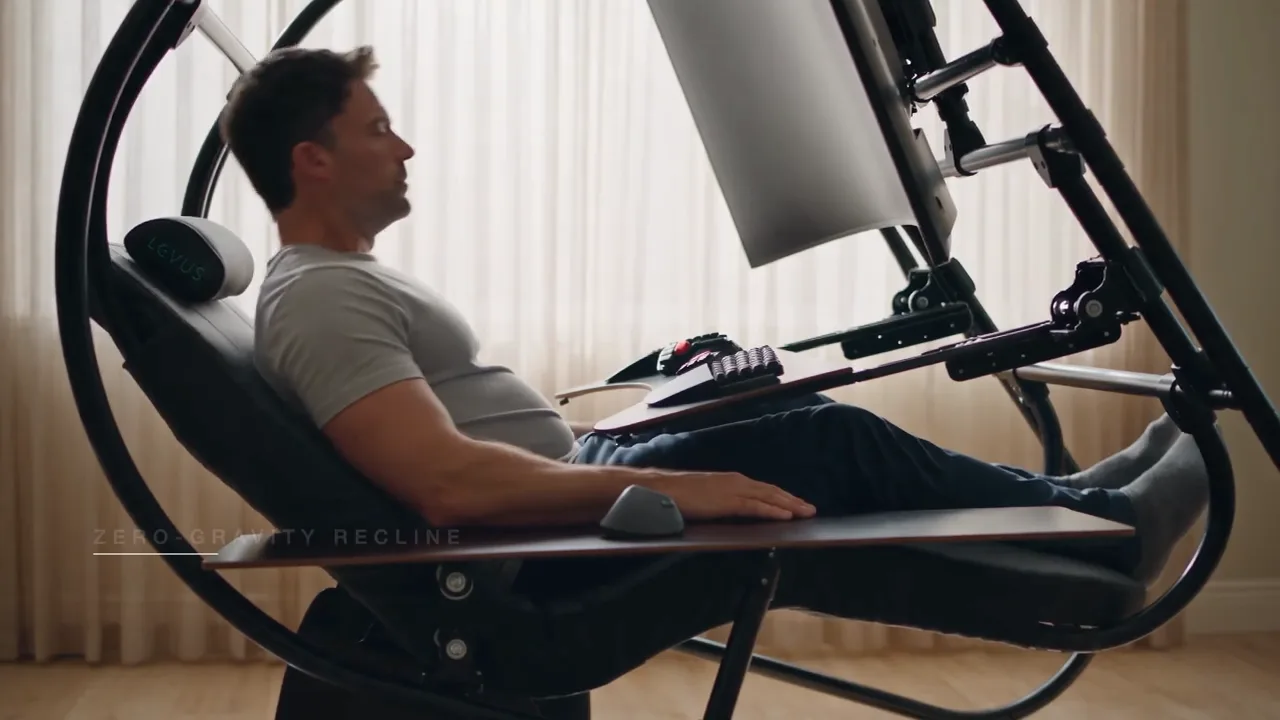
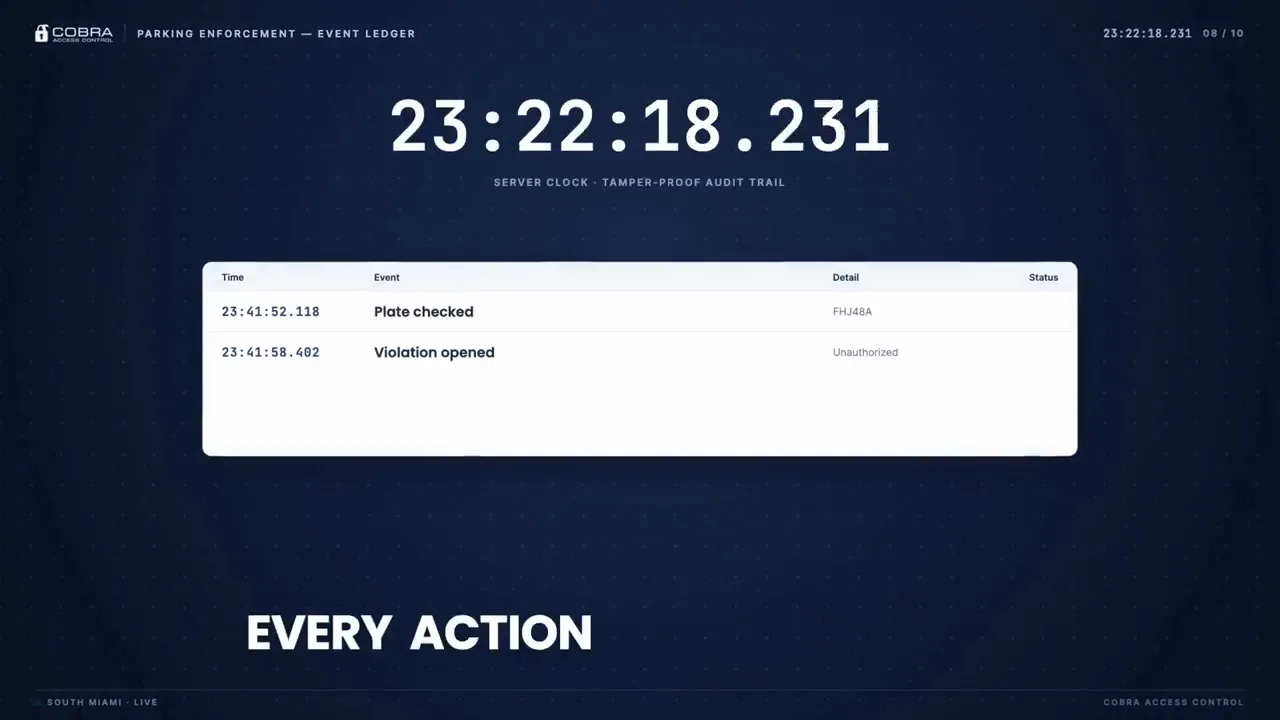
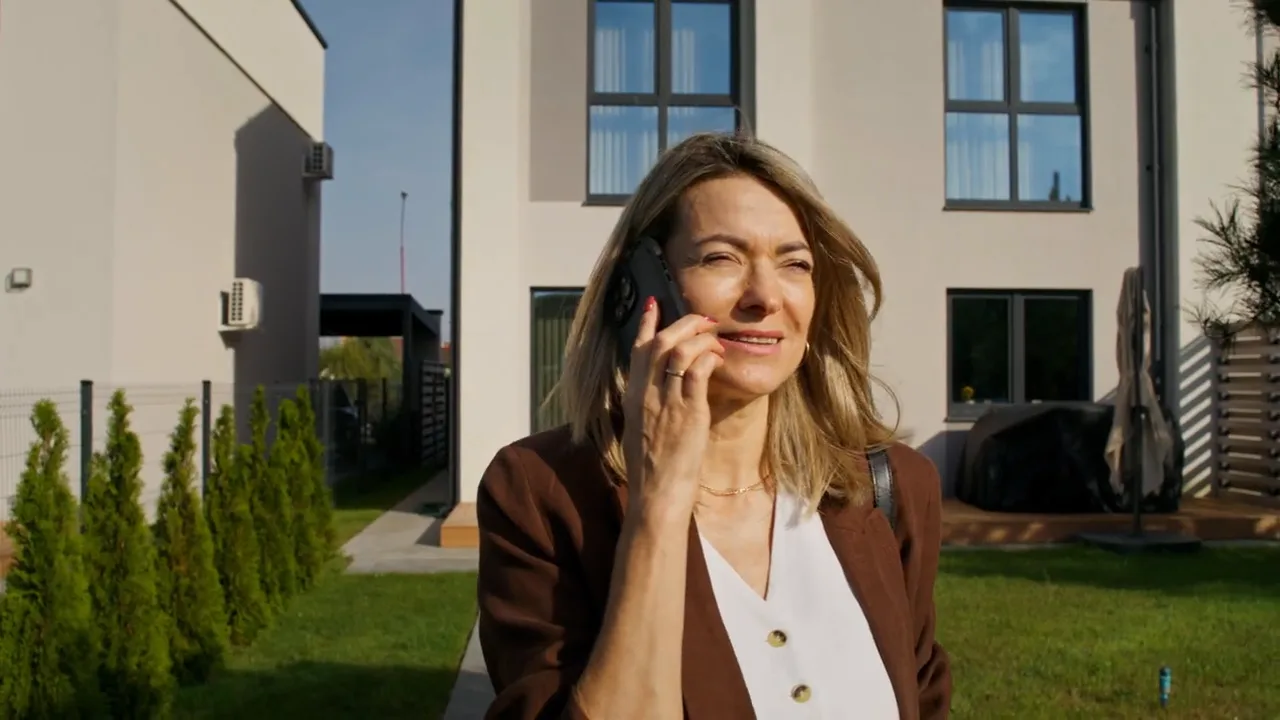
Finished Filmito films, labeled with what each one is. Hover or tap to play.

What to order
A screen needs a ten-second silent film and its still frame, and networks advise fresh creative every two months, so a monthly cadence of new frames fits better than one spot run for a year.
15 seconds. One idea, one hook, one clear ask. First cut in 3 days, 2 revision rounds, 16:9 and 9:16 included.
Launch on the pricing page4 unique ads every month. Different angles, not shorter cuts.
Growth on the pricing pageQuestions about Digital billboards ads
What size is a digital billboard ad?
Two sizes cover more than 90 percent of Lamar's screens: 1400 by 400 pixels for bulletins and 840 by 400 for posters, both RGB JPGs at 72 ppi. Street furniture is 1080 by 1920 portrait, horizontal screens 1920 by 1080, and a British roadside 48-sheet is 864 by 432. We design at the native pixel size of the booked site.
Can digital billboards play video?
Roadside ones mostly cannot: Lamar's bulletins take still images, Bauer's British roadside panels do not permit video, JCDecaux allows no motion on roadside formats. Malls, transit, airports and the large urban screens take MP4, usually six to fifteen seconds. We deliver a still for every campaign and a motion version where the site accepts it.
How long is a digital billboard ad?
One slot in a loop: federal guidance says four to ten seconds with eight recommended, Lamar rotates every six to ten, British roadside slots are ten or twelve seconds, mall screens six. Six to eight advertisers share the loop, so the ad is seen for one slot at a time.
Is there sound?
No. Roadside panels do not emit sound, the Nordic and British networks list audio as not allowed, and mall and transit screens play silent. The message is carried by the picture and seven words or fewer.
How many words should a billboard have?
Seven or fewer, by the OAAA's benchmark. Its research summary says an ad with two message elements is 21 percent more likely to be noticed than one with five, and Vistar notes that two or three strong words are often enough.
Why does the file need to be exact?
Each screen has its own pixel count and dot pitch. Vistar accepts ratios within six percent of a standard size and Broadsign warns that files not sized to the native resolution can be cropped, distorted or rejected. A frame designed at the exact size, checked at actual pixels, is the whole job.
Keep planning
Other screens, the craft behind the films, and the public prices.
Other channels
Craft and proof
Plan your ad
Filmito
Tell us the screen. We build the film.
Six short questions about your brand and where the ad will run. A person replies within one business day with the idea, the price and the date.
Since 2017 · 9,700+ films · 4.8 from 970+ reviews, every one readable