Video ads by channel / Transit and mall screens
Transit and mall screen ads.
A still that stands alone, motion only where the street allows it, and a cut for every loop length.
The medium
Transit and mall screens are watched on foot, at a bus stop, on a platform, on an escalator, and none of them make a sound: Bauer Media Outdoor's sheets for its shelter and mall screens say plainly that the screens do not emit sound. The loop length changes with the place. JCDecaux UK runs six-second spots on its rail, mall and supermarket panels and twenty on large station screens; Bauer's shelters and malls run ten; New York's subway entrance panels run eight or fifteen.
Motion depends on the street rather than the screen. Bauer's Adshel Live shelters allow no full-motion video anywhere and only subtle animation outside seven named areas, Westminster among them, and some UK planning consents bar moving images entirely and require at least ten seconds per ad. Inside a mall, video is allowed.
Above the media owner sits a landlord with rules of its own: TfL, Network Rail, New York's MTA or the mall itself.
The specs
Quoted from the platforms' own pages. The source and the date each was read are under the table.
| Placement | Ratio | Resolution and file | Length | Sound and captions | Safe zone and rules |
|---|---|---|---|---|---|
| Bauer Media Outdoor Adshel Live (UK bus shelters) | Portrait | 1080 x 1920; stills JPG or PNG in RGB; subtle animation MP4 or MOV, H.264, 25 fps, 8 Mbit/s, 25 MB or less | 10-second slot | Screens do not emit sound | No full-motion video; subtle animation except in Aberdeen, Bristol, Leeds, Liverpool, Norwich, Sheffield and Westminster; a static version required; nothing resembling traffic signs or lights |
| Bauer Media Outdoor Malls Live XL | Portrait (some landscape specials) | 1080 x 1920; video MP4 or MOV, H.264, 25 fps, 8 Mbit/s; Trafford Dome 1536 x 2736 | 10 seconds unless agreed otherwise | Screens do not emit sound | Video permitted; a store or price promotion named in the ad must be inside that mall; a fee per creative beyond ten |
| JCDecaux UK digital 6-sheets in rail, malls and supermarkets | Portrait | 1080 x 1920; JPEG or MP4; still or motion at 25 fps | 6 seconds (roadside panels 12, still only) | No sound listed | Landlord rules apply; new programmatic specifications from 11 May 2026 |
| JCDecaux UK large station screens | Landscape | 1440 x 720 (Transvision, Motion@LondonBridge and others); 1920 x 480; Motion@Waterloo 6720 x 480, motion only, MP4 | 20 seconds | No sound listed | QR codes in rail need approval from campaign management |
| OUTFRONT, New York subway entrance panels | Landscape | Stairwell side still JPEG 1920 x 896; sidewalk side still or video 1920 x 1080 | 8 seconds on the stairwell side, 15 on the sidewalk side; 90-second loop (search snippet of spec sheet) | No audio (search snippet of spec sheet) | Only advertising the MTA's policy permits; the payer must be the advertiser, not the agency |
| UK planning consent conditions (Camden example, search snippet) | n/a | n/a | Each ad shown for at least 10 seconds; changeover within one second | n/a | No moving or apparently moving images; no visual effects at changeover |
- Bauer Media Outdoor, Adshel Live specification, read October 27, 2026
- Bauer Media Outdoor, Malls Live XL specification, read October 27, 2026
- JCDecaux UK, digital technical specifications, read October 27, 2026
- JCDecaux UK, content policies, read October 27, 2026
- OUTFRONT, MTA advertiser request, read October 27, 2026
- OUTFRONT, NYC MTA digital urban panel sheet (search snippet), read October 27, 2026
- Camden Council, advertisement consent decision (search snippet), read October 27, 2026
Clear Channel UK's site no longer resolves; its shelter and mall screens are now specified on Bauer Media Outdoor's site. Global holds the London Underground contract and publishes no resolution or slot length for its escalator panels, and OUTFRONT publishes none for its subway Liveboards, so neither is in the table. Indian metro and mall loops are known only from broker listings and are not quoted as specifications. Roadside screens are on the digital billboards page.
How we build an ad for it
Directed by people, made with AI, finished by hand. You approve the script and the sound before any footage is made.
A still that works first
Adshel Live needs a static version of every ad, bans full motion and limits even subtle animation in seven areas, and some planning consents bar moving images outright. The hero frame is designed to carry the whole idea on its own; motion is added to it, not the other way round.
Subtle animation at the curb
Where only subtle animation is allowed, the movement is a slow drift of light, a pour or a gentle parallax, never cuts or flashes. Nothing in frame resembles a traffic sign or signal, which Bauer's sheet forbids because drivers can see shelter screens too.
A cut for every loop
Six seconds on JCDecaux's rail, mall and supermarket panels, ten on Bauer's shelters and malls, twenty on large station screens such as Motion@Waterloo at 6720 by 480. Each length is cut from the same material to read in its own time, not trimmed from one master.
Words carry the message
None of these screens plays sound, so the message lives in a few large words and a clear picture, legible from the platform edge or across a concourse. A voiceover from the television version is replaced with type, never simply dropped.
Written for the landlord
TfL refuses body-image references, food that is not HFSS compliant and political campaigns; malls want family-safe content; no landlord accepts a panel made to look vandalized, mock graffiti included. We check the copy against the landlord's rules before the shoot and ask before adding QR codes in rail.
A version per mall
On Bauer's mall screens, a store or price promotion named in the ad must be inside that mall, so a campaign that names stores becomes a version per center. The number of versions is agreed before the shoot, since the media owner charges for creatives beyond ten.
Films that fit
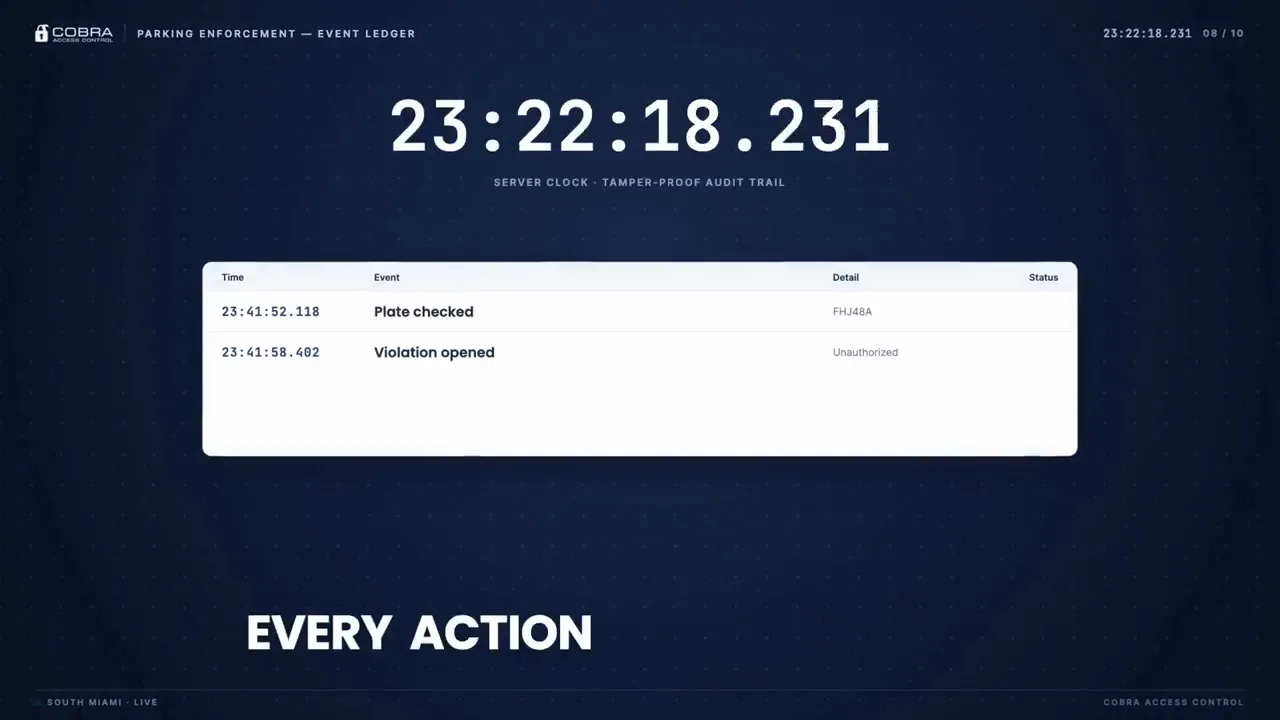
Finished Filmito films, labeled with what each one is. Hover or tap to play.
What to order
Transit and mall campaigns need many small versions, a still, a six, a ten, a twenty and a cut per mall, which is steady monthly work rather than one film.
15 seconds. One idea, one hook, one clear ask. First cut in 3 days, 2 revision rounds, 16:9 and 9:16 included.
Launch on the pricing page4 unique ads every month. Different angles, not shorter cuts.
Growth on the pricing pageQuestions about transit and mall screen ads
Can a bus shelter screen play a video ad?
Not full motion on Bauer's Adshel Live screens, whose sheet says full-motion video is not permitted. Subtle animation is allowed except in Aberdeen, Bristol, Leeds, Liverpool, Norwich, Sheffield and Westminster, and a static version is always required.
Do station and mall screens have sound?
No. Bauer's shelter and mall sheets say the screens do not emit sound, and OUTFRONT's New York subway entrance panels carry no audio. The film is written to work in silence, with its words on screen.
How long does a station or mall ad play?
It depends on the network: six seconds on JCDecaux UK's rail, mall and supermarket panels, ten on Bauer's shelters and malls, twenty on large station screens, and eight or fifteen on New York's subway entrance panels. We cut each length as its own film.
What will TfL reject?
Under the rules JCDecaux publishes for TfL's estate: references to body image, food that is not HFSS compliant, adult entertainment, matters of public controversy and political campaigns. Every ad is reviewed case by case against TfL's policy and the ASA codes.
Can a mall screen ad promote a shop outside the mall?
Not on Bauer's mall screens: where an ad supports a store or a price promotion, that store must be inside the mall. A campaign that names stores needs a version for each center, and we agree the count before the shoot.
Why does an animated shelter ad show as a still in some places?
Because the street decides. Bauer limits animation in seven areas, and some UK planning consents bar moving images entirely, require each ad to stay up at least ten seconds and to change within one second. The still version is designed to stand alone for those sites.
Keep planning
Other screens, the craft behind the films, and the public prices.
Other channels
Craft and proof
Plan your ad
Filmito
Tell us the screen. We build the film.
Six short questions about your brand and where the ad will run. A person replies within one business day with the idea, the price and the date.
Since 2017 · 9,700+ films · 4.8 from 970+ reviews, every one readable