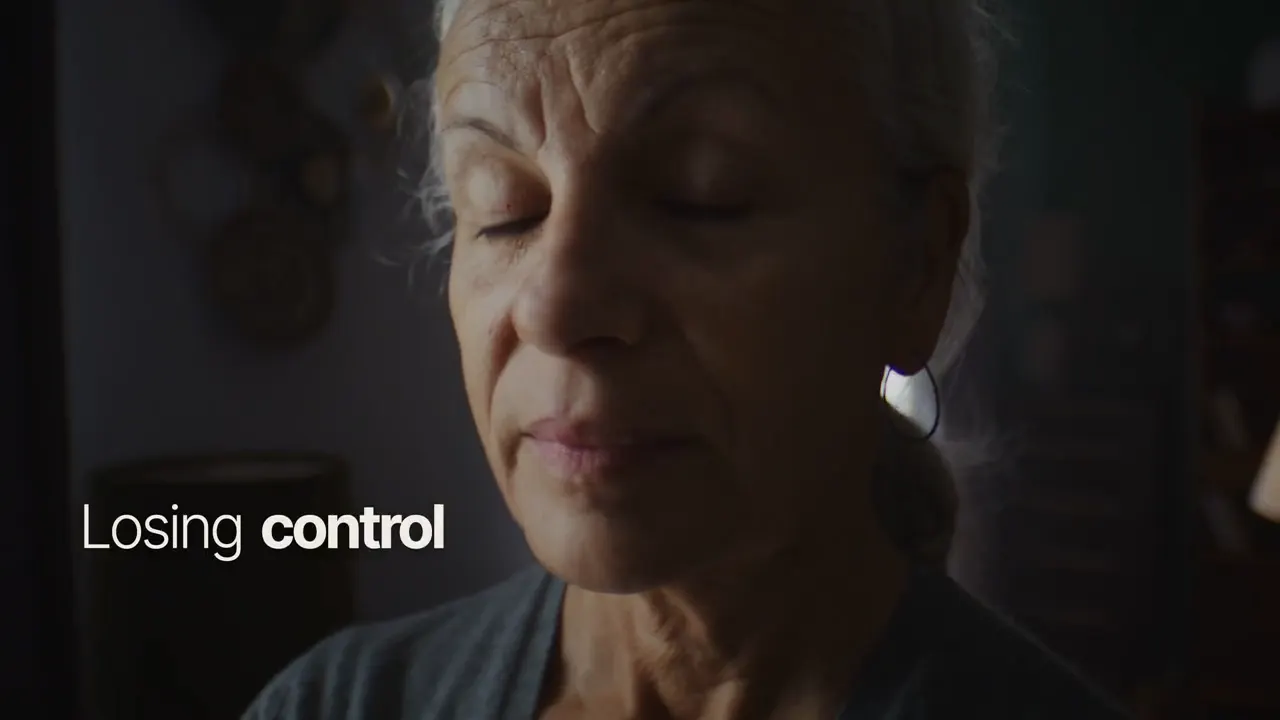
Craft: motion graphics
Your product is the interface. Animate it honestly.
Motion graphics ads for software rebuild a product's real screens as layered artwork, then move them with intent. A cursor arrives, a figure counts up, a panel slides in on the voiceover's beat. Filmito cuts that interface motion against film footage, directed with AI or chosen from stock. BrightDeed runs 42 seconds, Flipper Intel 19 seconds in native 9:16, and a finished 30-second ad is $895.
A SaaS product video lives or dies on one question from the viewer: what does it actually look like when I use it? Stock shots of people smiling at laptops, on their own, never answer that. The honest answer is the screen itself, the real dashboard, the real listing, the real report, moved slowly enough to read and fast enough to hold a thumb.
So we start from your product, not from a mock. Screens are rebuilt from exports or design files, then animated in the edit, where every label and figure is typed by hand, never generated. Where the story needs a person, a place or a mood, we direct AI footage or choose stock around the interface. The software arrives inside a scene, not floating on a gradient.
Watch
4 films we made
Tap any film to play it with sound. Every one was written, directed, edited and graded by Filmito.
How software ads earn a viewer's trust
Real screens, not mockups
Viewers who use software can smell a fake dashboard. We animate the actual product: its fonts, its spacing, its empty states. A feature appears only if it has shipped or is certain to, because the first trial user would find out.
Isolate the action
An interface holds dozens of controls. A thumb in a feed will not wait for all of them. Each shot isolates one action, a click, a filter, a result, and crops or dims everything else so the eye lands where the voice points.
Numbers that stay readable
On-screen figures are the proof, so they get time. A value counts up and then holds long enough to read twice. Type is set large for a phone, and a figure that needs a footnote to make sense stays out of the shot.
Vertical is a different edit
A 9:16 cut is not a cropped 16:9. A phone screen already fills a tall frame, so the key panel can run larger. Captions sit clear of the platform's buttons. Flipper Intel was made 9:16 native, framed for a phone from the start.
Film carries the stakes
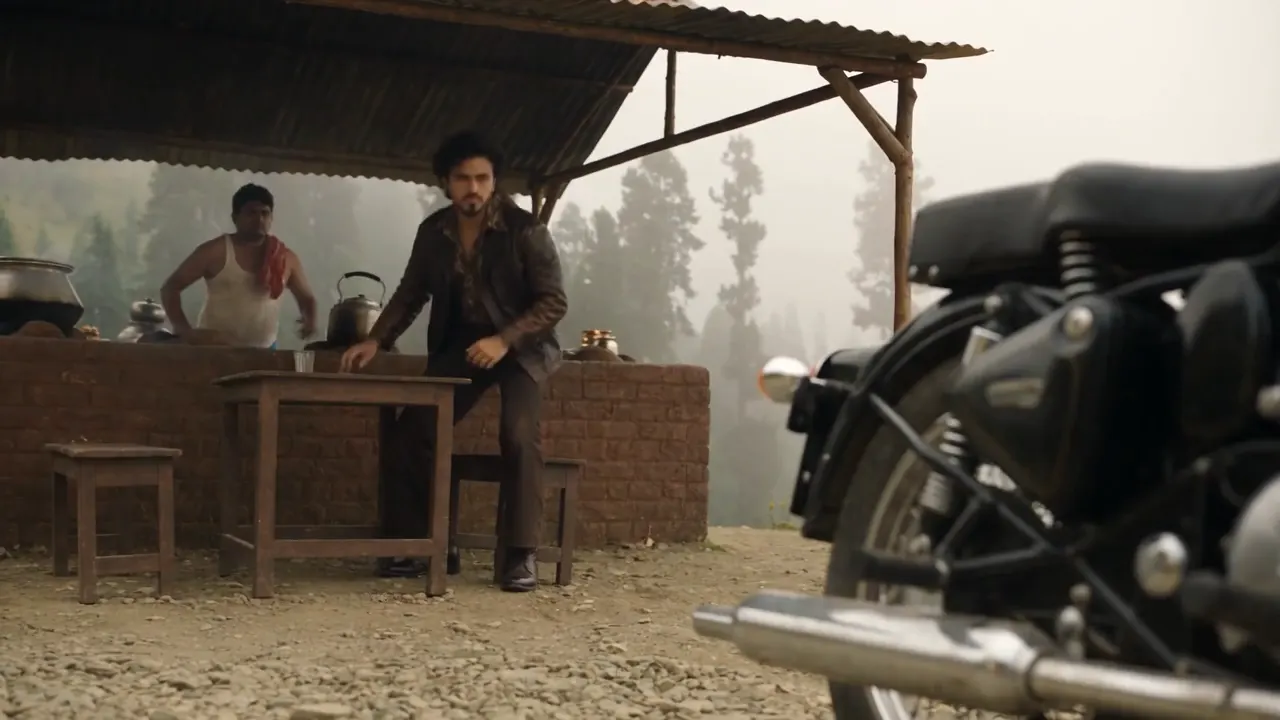
A screen recording shows how. Footage shows why. In Forensics.expert, a night crime scene, two figures in headlight glare and fog, comes before any interface appears. By then the viewer already has a question, so the interface lands as the answer.
From your build to a finished cut
Walk the product
You show us the product the way a customer meets it. We note the three moments that make people nod, and the screens where a new user usually stalls. The script is written around those.
Rebuild the interface
Screens are rebuilt as layered artwork from your exports or design files, so each panel, cursor and number can move on its own. Brand fonts and colours stay exact; nothing is redrawn by a generator.
Direct the footage
Scenes that frame the interface become timestamped shot prompts with a negative list, generated on the engine that suits each shot. A take that pulls the eye from where a panel will land is rejected. Where stock reads truer, as in BrightDeed, we cut stock.
Cut, time, deliver
The edit locks interface moves to the voice and the music, so a panel lands on the word that names it. The film is then colour graded and mixed by hand and exported in 16:9, 9:16 or both.
What an interface-led ad costs
An interface-led ad is $595 for 15 seconds, enough to show one feature well, $895 for 30 and $1,495 for 60. Rebuilding your screens is included, and the first cut arrives in 3 days, with two revision rounds. If you ship features monthly, Growth gives you 4 ads for $2,497 a month, so each release gets its own film.
Where screen animation needs care
Interfaces change faster than ads. If your product is mid-redesign, a film built on today's screens can look dated within a quarter, so we ask what ships next before animating anything. Dense tables and tiny type also fail on a phone. Some features simply do not film well; those go in the voiceover or a closing card, not a cramped shot.
Questions
What people ask about motion graphics and ui animation
Should a SaaS product video use screen recordings or animated UI?
Raw recordings show everything at once: loading states, a stray cursor, a real user's name in a sidebar. Animated UI rebuilds the same screens as clean layers so each move is timed to the voice. A recording can serve as reference, then we rebuild on top of it, keeping the product exact and the pacing deliberate.
How many seconds should one feature get in a feed ad?
Roughly one idea every two to three seconds, with the hook inside the first second or two. Flipper Intel shows its buy and sell analysis in 19 seconds, which leaves no room for a second idea in any shot. A 62-second launch film like Team.blue can breathe more, but a longer cut still works best when each feature gets one clear moment.
Can you animate a product that has not launched yet?
Yes, from design files, as long as what appears is what will ship. We ask for final or near-final screens and flag anything likely to change. Showing a feature that later gets cut is the quickest way to lose the trust of the people who sign up after watching.
Do I need separate cuts for vertical and horizontal placements?
Usually, yes. Placements differ in more than shape. A vertical feed ad needs the product in the first second and must read with the sound off. A horizontal master on a website or YouTube can open on footage and let the interface arrive later. We plan both cuts at script stage so neither is an afterthought.
How do you keep on-screen numbers accurate in a UI animation video?
Every figure is typed in the edit, never generated, because generative engines still garble text and digits. We take the numbers from you, show them large enough for a phone, and hold them long enough to read. You check every value in the first cut, and nothing is exported as final until each one matches your source.
What should we send so you can rebuild our interface?
For app demo video production, design files are best, since every layer arrives separate. Failing that, high-resolution screenshots at the size your users see, your brand fonts, and access to a demo account filled with sample data. Real customer names, emails and figures stay out of the film; we swap them for believable placeholders you approve before anything moves.
Filmito
Show us the screen that matters most
Send a link or a few screenshots. We will tell you which moments read on a phone, and what a first cut could look like.
Since 2017 · 9,700+ films · 4.8 from 970+ reviews on Fiverr