Craft: voice
A voice cast for the film, in its language
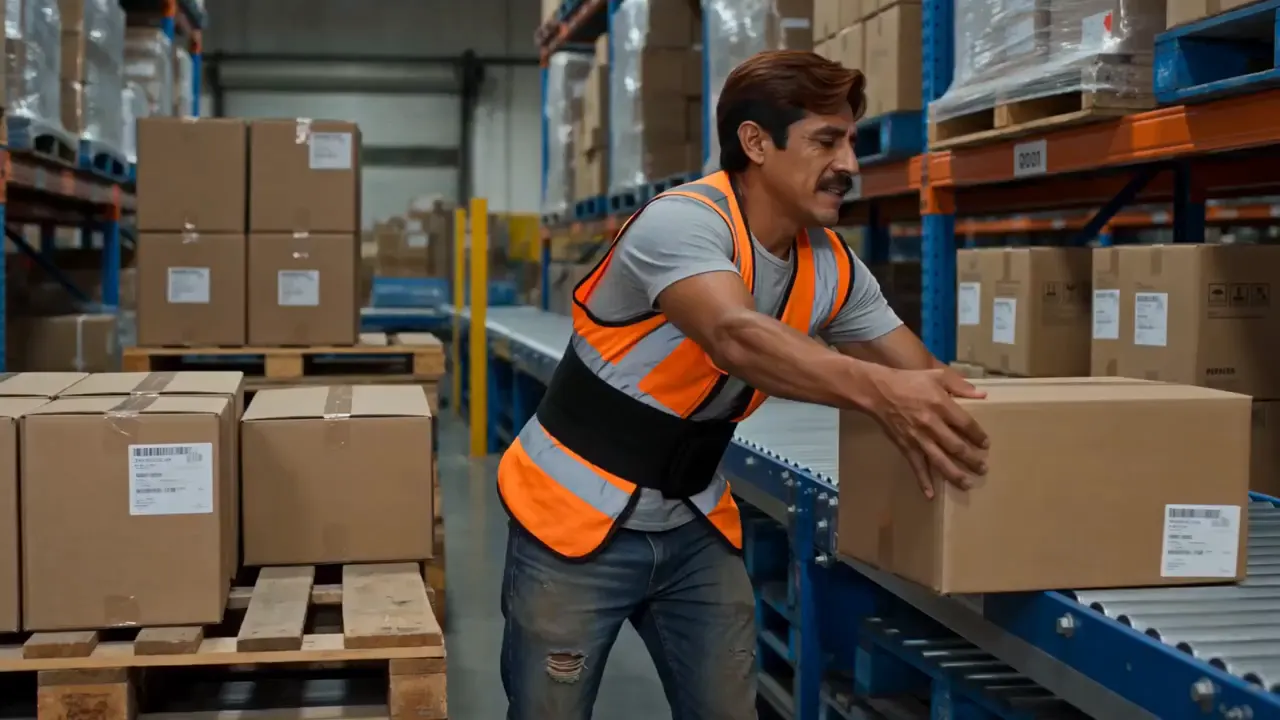
Voiceover is the spoken layer of a film: a voice chosen for age, warmth and authority, then directed for pace, breath and emphasis until the read sits on the cut. Filmito casts each voice in the market's own language: Spanish for Minaie Law Group's 37-second spot, German for TeleClinic's 90-second telemedicine launch. A 30-second read holds about 65 to 75 words, and some films are better with none.
A voice is the first thing a viewer trusts or doubts. Before they read a price card or a phone number, they have already decided whether the person speaking sounds like someone who would answer that phone kindly. The decision lives in timbre, pace and the first breath, which is why we cast a voice with the same care we give a face.
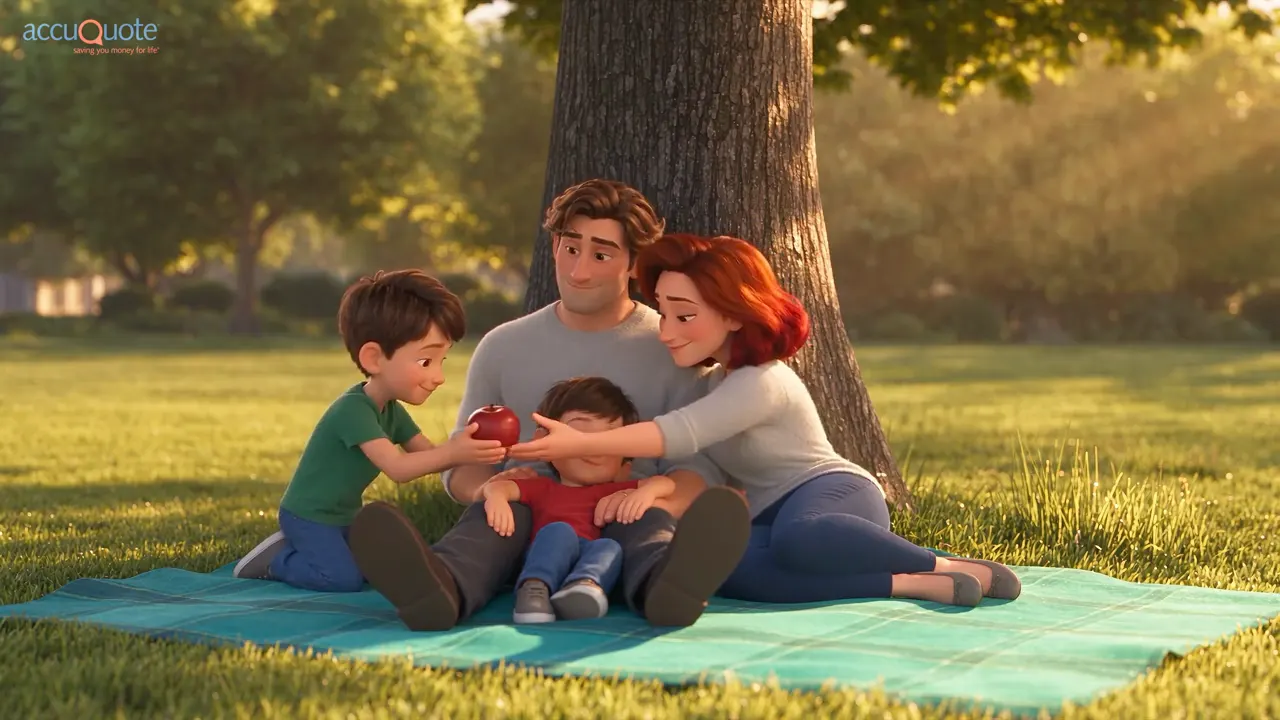
The films here are voiced in three languages: Spanish for Minaie Law Group, German for TeleClinic, English for AccuQuote. A script is written for its market before any voice is chosen, and the read is timed and mixed by hand against the cut.
Watch
3 films we made
Tap any film to play it with sound. Every one was written, directed, edited and graded by Filmito.
Five decisions inside a directed read
Age, warmth, authority
A voice carries an age before it says a word. A retirement plan wants a voice that sounds like it has lived some years; a helpline wants steadiness, not acted sympathy. Authority comes from calm far more often than from a deep register.
Pace and breath
A natural read sits near 150 words a minute, about two and a half words a second. Where the breath falls matters as much as speed: a breath before the key line gives the viewer a beat to take in the image before the meaning arrives.
One word per line
Every line has one word that carries it. Directing emphasis means marking that word in the script, then rejecting takes that lean on two. Stress the brand name instead of the promise and a reassurance turns into a pitch.
Timing the read
The read and the edit share one rhythm. A line lands on a cut, not across it. A pause is left wherever the picture should speak alone, such as a held look before someone answers, or an end card that needs a second of quiet.
Written for the market
A multilingual voiceover works when each script is rewritten for its audience, not converted word for word. Spanish and German both ask whether the voice addresses the viewer formally, usted or Sie, or closely, tú or du. English never has to make that choice.
How a voice gets made here
Script against stopwatch
The script is read aloud against a stopwatch before anything is cast. Lines that only fit at speed are cut, because a rushed read sounds like selling and leaves no room for an end card to be read.
Draft for timing
Before casting, you can test the script in our free AI voiceover generator to hear its length and pace. That draft is a sketch for timing and structure, never the final read.
Cast and direct
We cast for age, warmth and how much authority a line can carry, in the market's language. Then each line is directed for speed, where the breath falls and which word leads, and a take is kept only when it sounds meant.
Lock to picture
The chosen read is laid on the edit, trimmed to the frame and mixed by hand under music and sound. The picture comes from AI engines directed shot by shot, and when voice and picture disagree, we move a breath, never a cut.
Voice sits inside the film's price
A 30-second read of 65 to 75 words sits inside an $895 ad. Fifteen seconds, at $595, holds about half that, and 60 seconds is $1,495. Casting, directing and mixing the voice are part of each price, with a first cut in 3 days and two revision rounds. A two-minute AI Film is $2,000, and 10 minutes is $6,000.
Where a voice cannot rescue a film
A voice cannot fix a script that says too much, and it cannot make a cold image feel warm. Accent needs care too: a Spanish read that sounds close to home in Mexico can sound distant in Spain. We ask where the audience lives before casting, and on finished ads the two revision rounds are there to catch a read that feels wrong.
Questions
What people ask about voiceover and voice direction
How many words fit in a 30-second voiceover for video ads?
About 65 to 75 spoken words at a natural pace, and fewer when the picture needs a held beat or an end card needs silence to be read. Past 75, the voice has to rush and the breaths before key lines disappear. We time every script aloud and cut lines rather than speed the read up.
Should a Spanish voiceover commercial be translated from an English script?
Rarely word for word. Spanish usually runs longer than English, and the register of respect changes with the audience. For a legal spot like Minaie Law Group's, the promise is short and plain in Spanish: si no ganamos, no cobramos. We rewrite for the market so the read sounds spoken, not converted.
What does voice casting for ads actually decide?
Age, warmth and authority, then accent and how much smile sits in the tone. A voice too young for a pension plan can sound unearned; one too polished for an injury lawyer can sound like an advert. We cast for the viewer the film is speaking to, in the language they use at home.
When does a film work better with no voice at all?
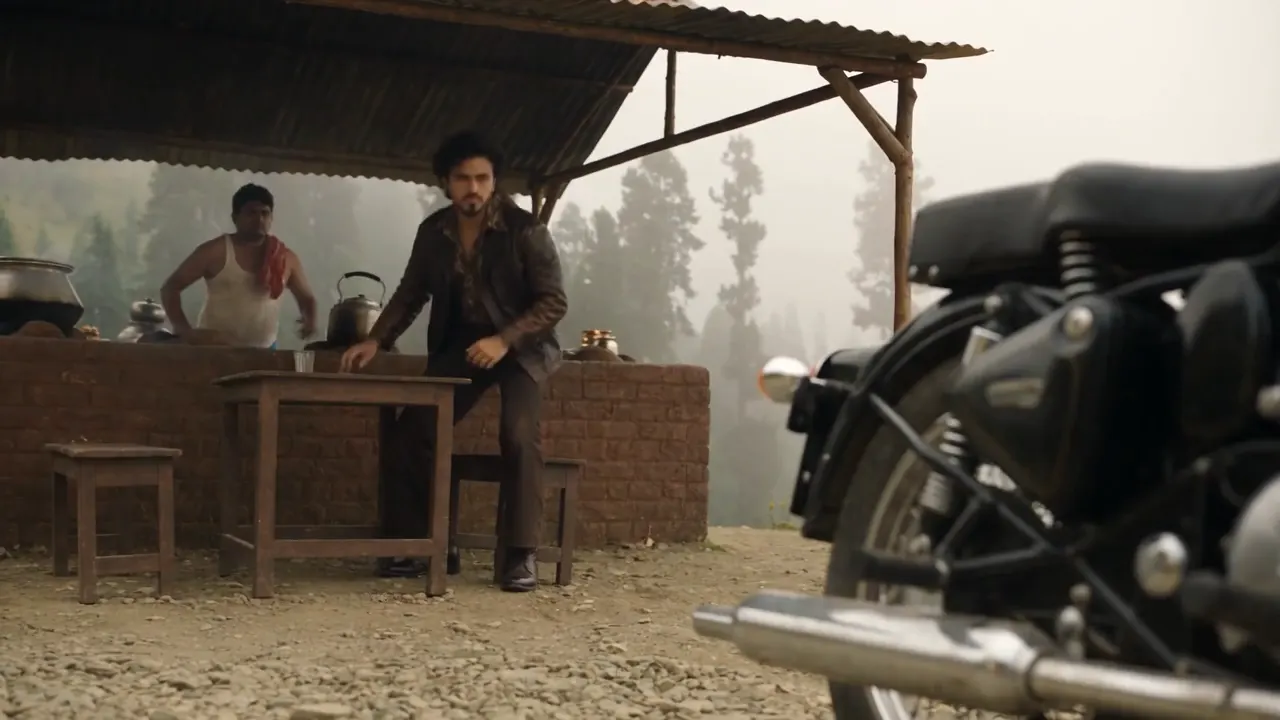
When picture and real sound already carry the story. Episode 1 of our Good Men, Bad Habits series has no music and no narration. It runs on real sound alone: the engine of a Royal Enfield Bullet and the street dogs at a roadside chai stall who know it. Mood pieces are often stronger without a voice, with any words added as titles in the edit.
Can one multilingual voiceover edit serve several markets?
The picture can often stay, but each language needs its own read timed to the cut, because line lengths and pauses change. On-screen text is added in the edit, so titles are swapped per market too. An additional-language version is $197; Scale includes up to three language versions per ad. Treat each language as its own performance, not a subtitle track with a voice on top.
Is a free AI voiceover draft good enough for the final ad?
It is useful for drafts: hearing length, pace and where a line falls against a shot. It is a single unguided pass. The final read is cast for the market, directed line by line for breath and emphasis, then balanced by hand against music and sound. Test a script in the generator first, then brief us.
Filmito
Bring a script. We will find its voice.
Send the script, or just the idea and the market it is for. We will cast the voice, direct the read and time it to your film.
Since 2017 · 9,700+ films · 4.8 from 970+ reviews on Fiverr