Craft: sound and music
Sound design and music, made for each film
Sound design for film builds everything an audience hears apart from dialogue. Its layers are ambience for the place, foley for bodies and objects, hard effects for events, silence, and music when the film wants it. At Filmito, an editor lays each layer by hand once the cut is settled, and any music is made for that film. The first two episodes of Good Men, Bad Habits use no music at all, only real sound.
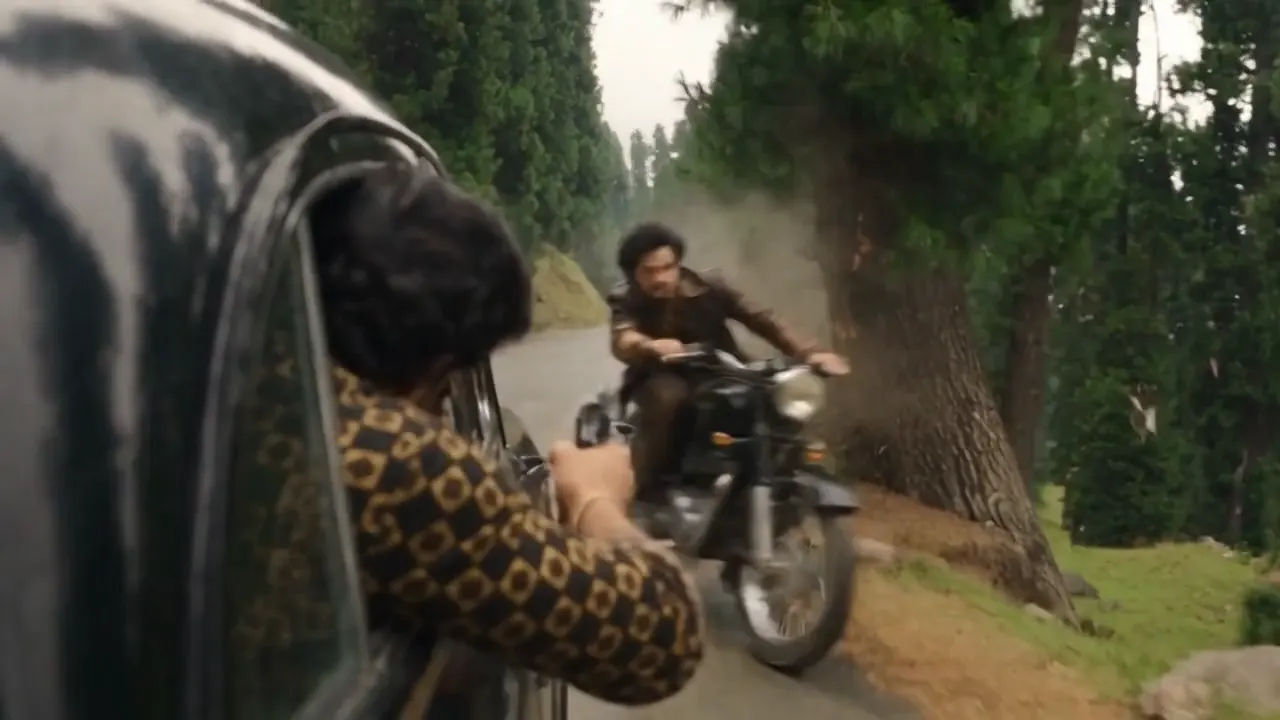
Most people remember a film by its pictures and feel it through its sound. Mute a chase and you still see the cars, but you stop feeling the speed. Cinematic sound design decides what the ear gets, in what order and at what level. Wind in the pines first, then an engine far off, then a beat of quiet before the gunshot.
Music is part of the same decision. Episodes 1 and 2 of our Filmito Originals series, Good Men, Bad Habits, run on an engine, dogs and a gunshot, with no score. Be The Kaptaan, Nella and the extended AccuQuote film each have music made for them. Whether a film gets a score, real sound or both is the first sound choice we make.
Watch
6 films we made
Tap any film to play it with sound. Every one was written, directed, edited and graded by Filmito.
Five rules for sound and score
Ambience sets the map
Ambience, or atmos, tells the ear where it is before the eye is sure. Wind through pines means hills. Traffic hiss means a city at night. A cut feels continuous when the ambience carries across it, even when the picture jumps.
Foley makes it physical
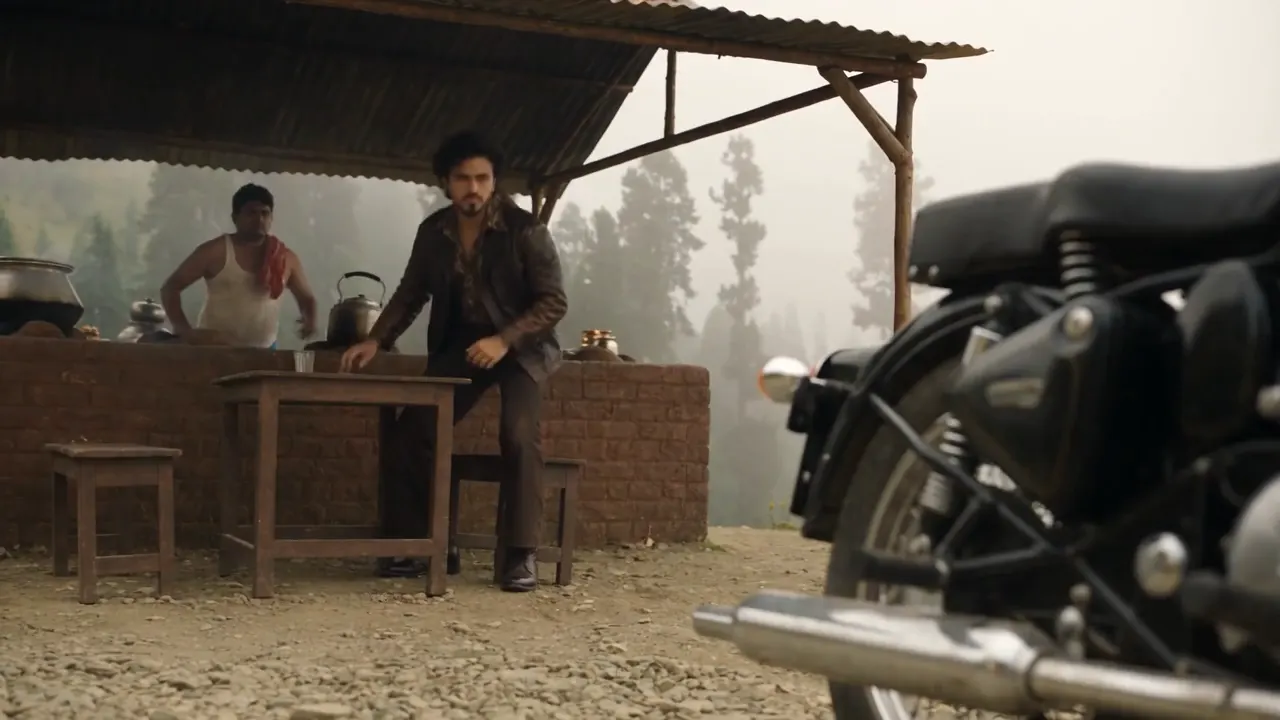
Foley is the small, performed sound of bodies and objects: a mug set on a table, a jacket brushing a car door, boots sinking into wet mud. Performed in sync with the picture, it is what makes an image feel touchable.
Silence is a layer
True silence sounds like a fault, so film silence is a thinned ambience with one detail left in: rain, a dog breathing, far thunder. In a score, the strongest bar is often the one that drops out, half a second before the reveal.
Tempo follows the cut
Choose the tempo from the edit, not the other way round. If shots change every 1.5 seconds, a track at 80 beats per minute puts a cut on every second beat. Cuts that land on a beat feel inevitable. Cuts that fight it feel nervous.
Land on the end card
A film score for ads has one fixed point: the end card. Resolve where the logo appears, not two seconds later, and hold the tail while it reads. A cue that ends early makes the brand feel like an afterthought.
How we build a film's sound
Read for sound
Before any shot is made, the script is read for what it should sound like. Is this a world of engines and rain, or a feeling that needs carrying? The answer decides score, real sound, or both.
Let the cut lead
Any audio an engine returns with a clip is only a guide. The edit settles shot lengths by hand, and every sound, and any score, is built to that settled cut.
Layer, then subtract
Ambience goes down first, then foley, then hard effects, then voice or music if the film has them. Then we take things out, until every sound left is one the scene needs.
Mix for the phone
Many viewers hear a film through a phone, so every mix is checked on a phone speaker before it ships. A low rumble that vanishes on a small speaker gets a higher harmonic, and key effects sit where a phone can carry them.
What sound and music cost
Every ambience, footstep and engine, and any score, is built for that film, mixed by hand and priced inside it. A 15-second ad at $595 often lives on one ambience and one hard effect. A 30-second ad is $895. A 60-second ad at $1,495 has room for a score to rise and drop out. Two revision rounds cover the mix and the picture. A 2-minute AI Film is $2,000.
Where sound and score need care
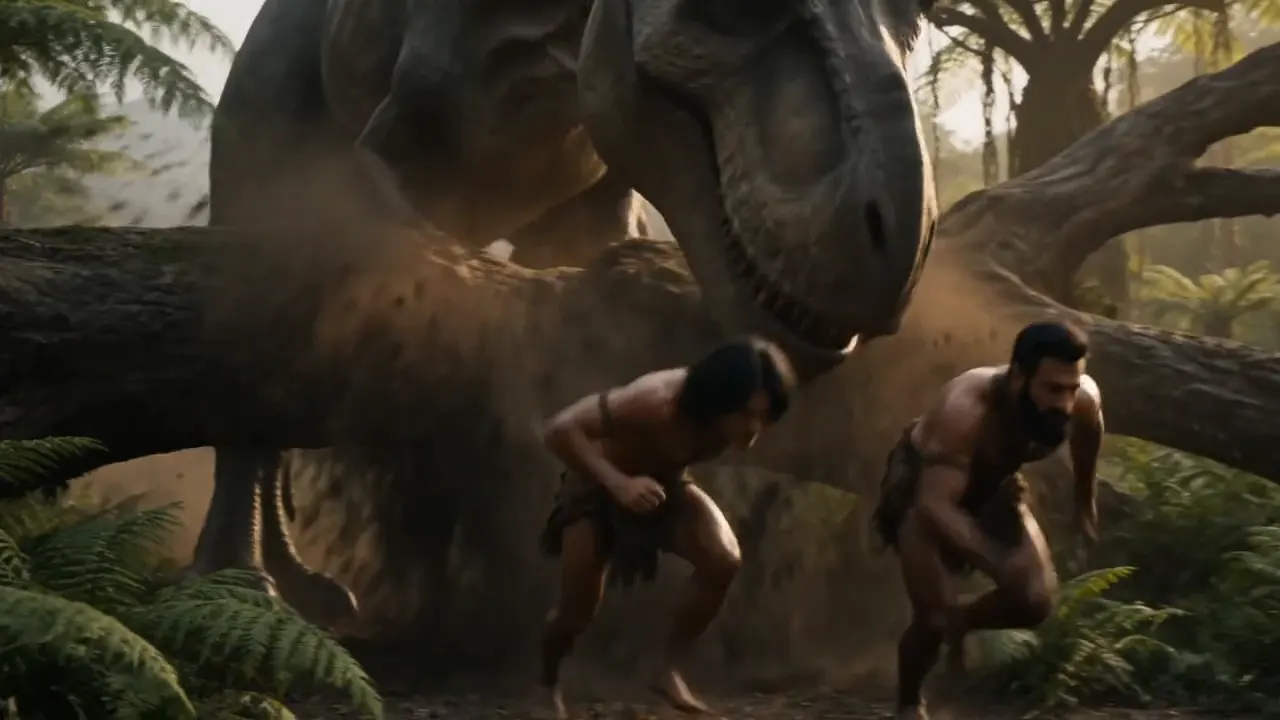
Generated footage has no location recording, and the audio an engine returns is a guess: footsteps land late, and rain sounds the same on tin as on grass. So every ambience is rebuilt from nothing. Music has limits too. It cannot rescue a weak cut, and a famous chart song belongs to its label, not to your film, so any music we use is made for yours.
Questions
What people ask about sound design and music
What is the difference between foley and sound effects?
Foley is performed to picture: footsteps, cloth, hands on a cup, the sounds a body makes moving through a scene. Hard effects are the bigger single sound effects, like an engine, a door slam or a gunshot, usually cut from recordings rather than performed. Good foley and sound effects for video work together, one making the world tactile, the other marking what happens in it.
Why do the first two Good Men, Bad Habits episodes skip music?
In Episodes 1 and 2, the sounds of the world carry the story. Without a score telling you what to feel, the Bullet's engine becomes a character. The seven street dogs at the chai stall in Episode 1 know the sound of it. With no music, the 80s hero entrance and the mountain chase stay rooted in the hills and the machines.
How is sound design for commercials different from film?
Most commercials run 15 to 60 seconds and often play muted. So sound design for commercials works in short, clear gestures: one signature sound, a clean voice, nothing fighting the brand line. A film has room for slow ambience, long silences and a sound motif that pays off minutes later.
Is the music in a Filmito film original or stock?
Original, whenever a film has music at all. We treat original music for film the way we treat its script, voice and shots: made for that one film, timed to its cut. That is also why the track will not turn up under somebody else's advert next month.
What is room tone, and why does every scene need it?
Room tone is the sound of a space with nobody talking or moving: air, a fridge hum, distant traffic. Every location has its own. Editors lay it under every shot so cuts do not jump in and out of dead silence. Generated footage has no real location behind it, so we build one for each place, from hill wind to a rain-soaked night street.
How loud should an ad be mixed for Instagram or YouTube?
YouTube turns loud uploads down, and Instagram and other feeds vary, so pushing volume buys little and costs dynamics. Around minus 14 LUFS integrated, with peaks kept under minus 1 dBTP (true peak), is a sensible target for both. Then check on a phone speaker, where most sound below about 200 Hz simply disappears.

Filmito
What does your story's place sound like?
Send the brief, a reference, or just the place your story happens. We will tell you how it should sound, whether it wants music, and what it costs.
Since 2017 · 9,700+ films · 4.8 from 970+ reviews on Fiverr