Genre: Action
Action is geography and consequence, not noise
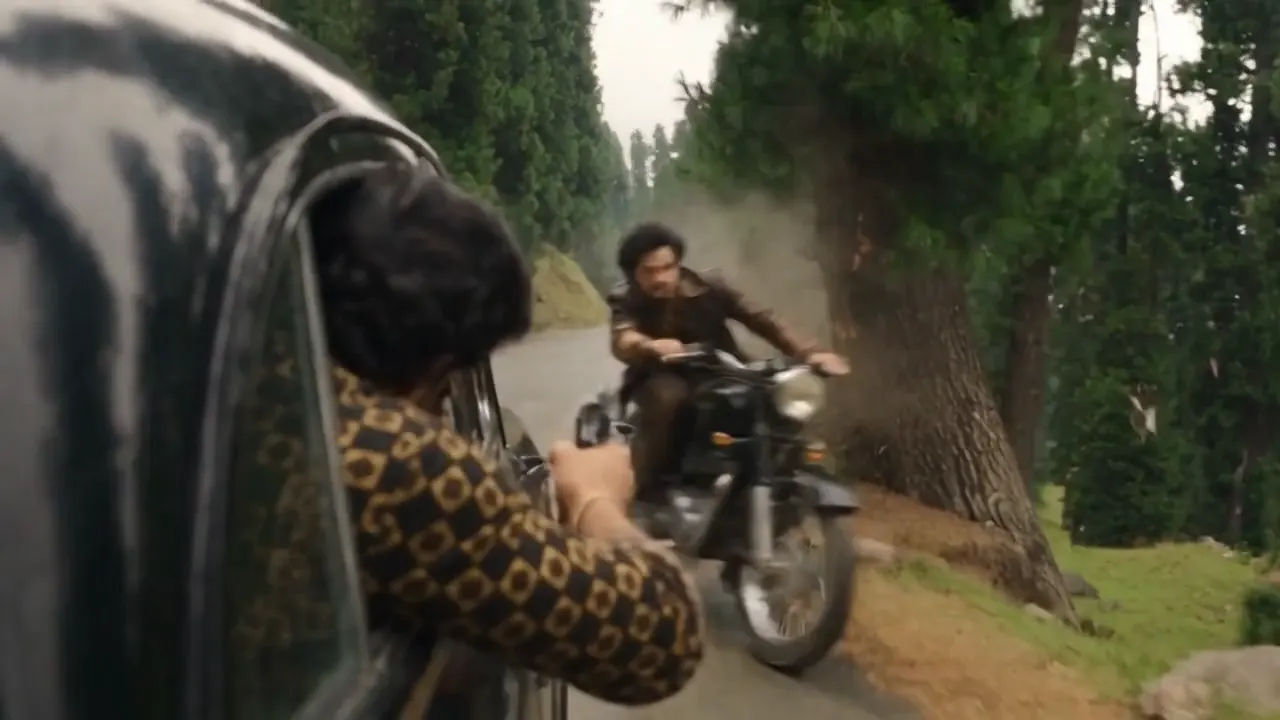
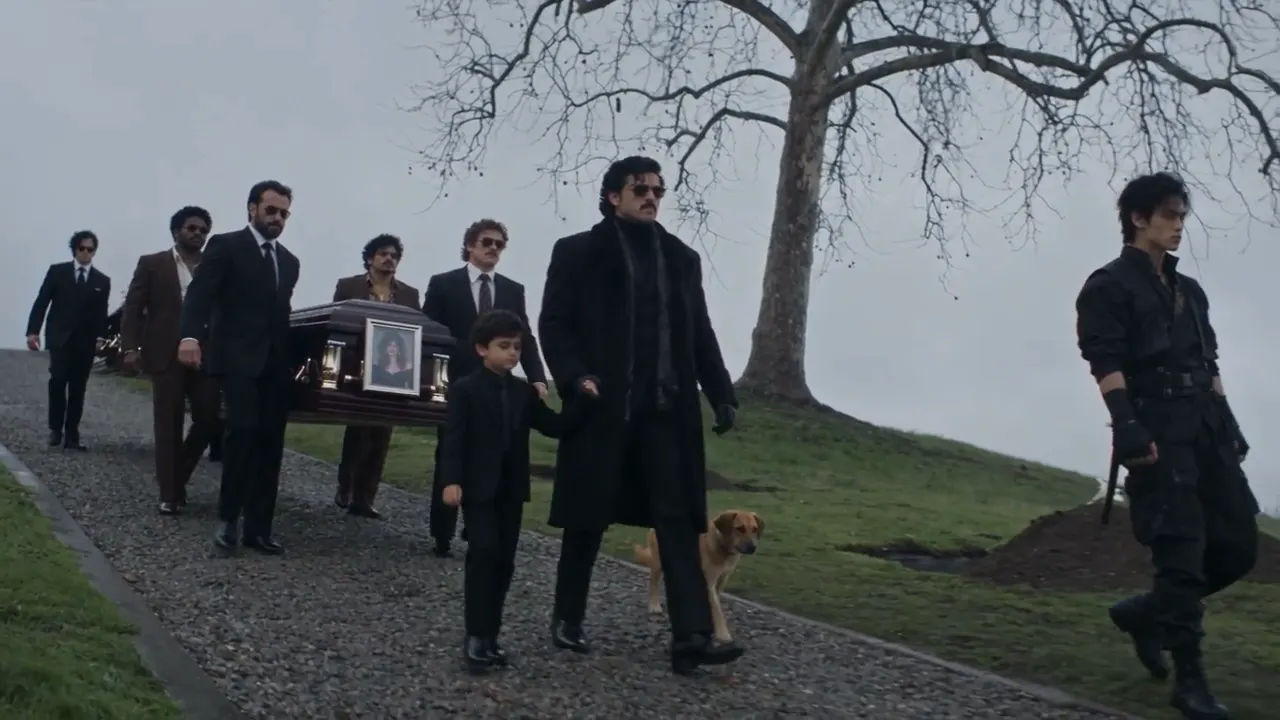
An AI action film is a short sequence directed by a person and generated by engines, shot by shot. The viewer always knows where everyone is, what caused each blow, and what it cost. A director draws the line of travel into the script first, and editors cut the shots like stunt coverage. In our series Good Men, Bad Habits, The Chase holds a pursuit in 31 seconds. Episode 15 moves from a night highway to a pier fight in 32 seconds.
Most action on screen fails for one reason: the viewer loses the map. A car is fast, a bike is fast, and nobody can say who is gaining. Good action short film production starts before the first frame, with a line on paper: who chases whom, on which road, towards what. Once that line is clear, one gunshot and one crash carry more weight than a hundred explosions.
Filmito began in 2017 as a team of editors in Ahmedabad, so a chase here is planned as a list of cuts before a single frame exists. A take where the bike leaves the road it was on in the last shot never makes that list. What survives is cut on movement, graded, and mixed by hand, so the sound tells you what the picture only hints at.
Watch
2 films we made
Tap any film to play it with sound. Every one was written, directed, edited and graded by Filmito.
How action reads in thirty seconds
Draw the map first
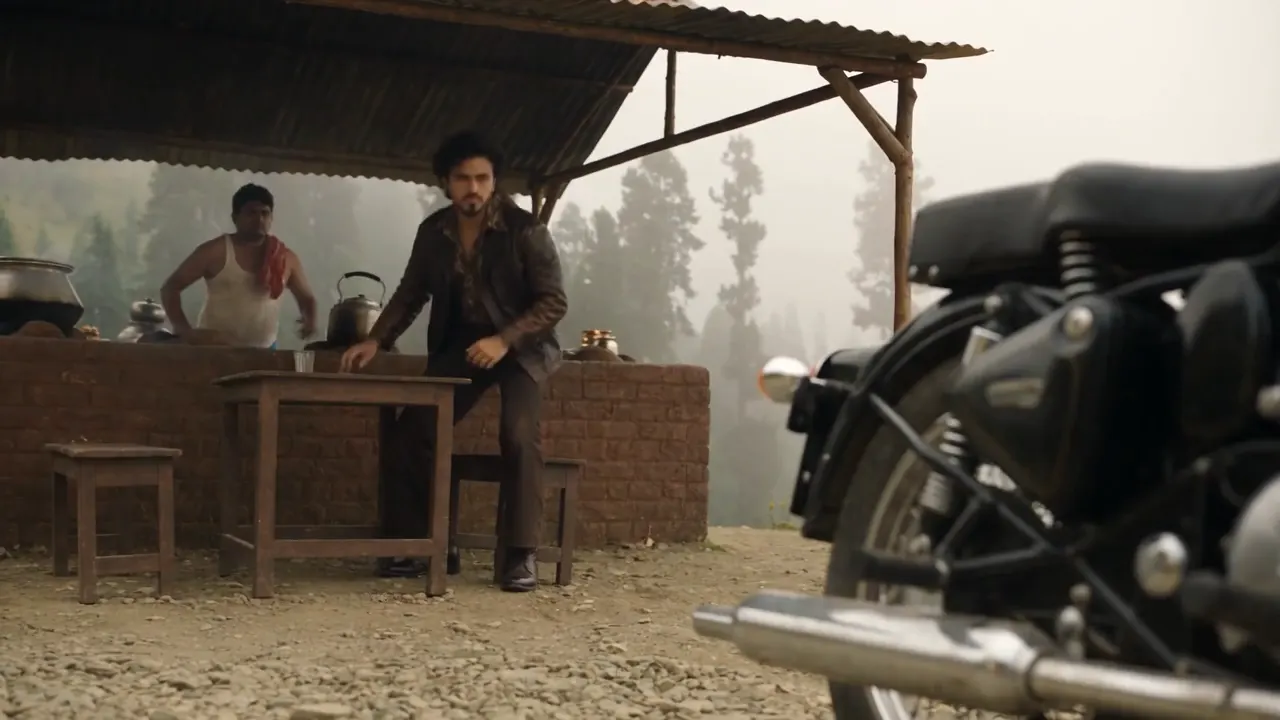
Decide the line of travel before any shot exists, then hold screen direction: a bike exiting frame left enters the next shot from the right. The Chase keeps one Ambassador, one Bullet and one mountain road, so the eye always knows who is chasing whom.
Cause, then effect
Every hit needs its reason on screen a beat earlier: a swerve before the skid, a raised arm before the fall. Each pair is one sentence of story. Remove the cause and the effect reads as random noise.
Sound carries the weight
Action is heard before it is seen. An engine note tells distance, tyres tell speed, and a silence after impact tells the audience it mattered. The Chase uses no music at all, only real sound, so the gunshot and the crash land with nothing to hide behind.
Short shots, cut on motion
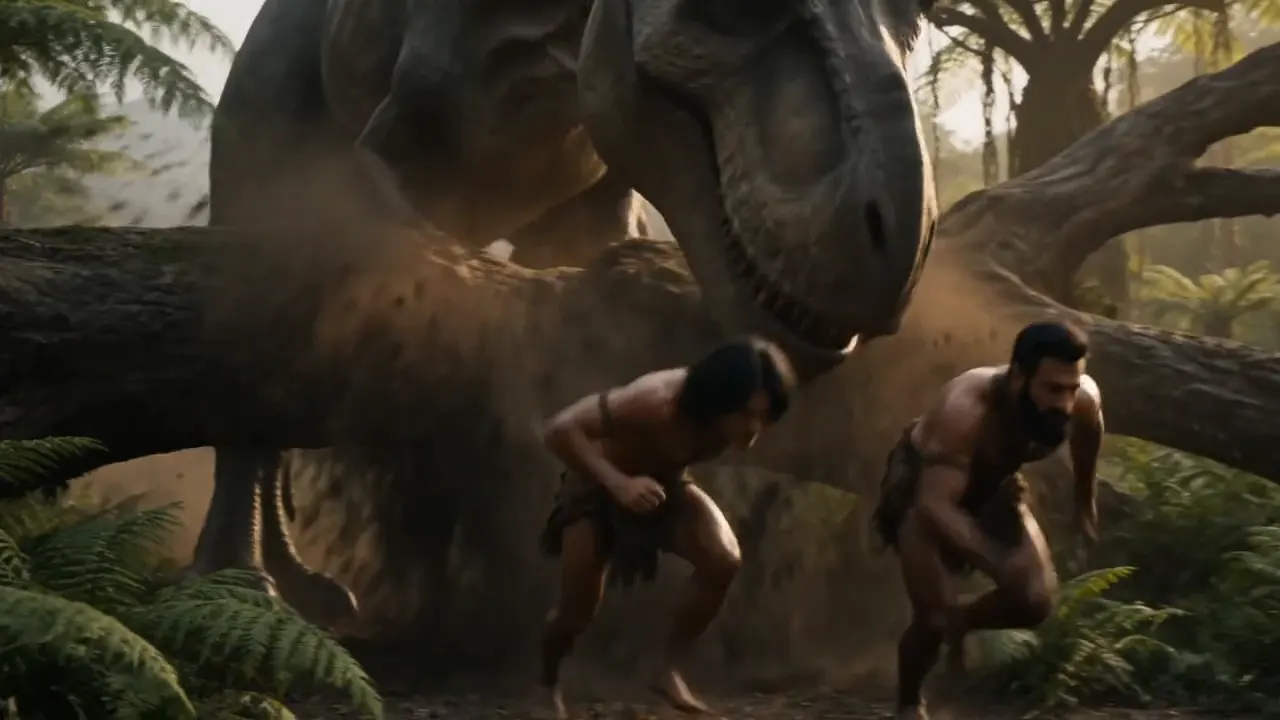
Generated footage drifts the longer a take runs: faces soften, hands multiply, cars change shape. So each beat is generated as its own short shot and joined on movement, the way stunt coverage is cut, never as one long clip.
Light as orientation
Night action needs light sources the viewer believes, because darkness erases geography. In Episode 15, headlights and red streaks on the highway keep a motorcycle and a black sedan readable against the dark.
How we direct an action sequence
Beats and a map
The director writes timestamped beats: the road, the vehicles, the direction of travel, and the beat where the chase turns. In The Chase, that is a gunshot from a car window. Nothing is generated until every beat has a place on that road.
Lock the cast
Faces and props are fixed from reference photos and character sheets before generation, so the rider in shot two is the rider in shot nine. It is how Good Men, Bad Habits keeps its lead Rudra, played by the director, identical from shot to shot.
Direct shot by shot
Each beat becomes a timestamped prompt with a negative list of what action breaks: extra wheels, melting hands, a car that changes colour. It goes to the engine that holds fast motion best, and a take is thrown out once a wheel count changes.
Cut, grade, mix
The kept takes are cut on motion and graded so every shot sits in the same night or the same afternoon. The mix is built by hand from engine, impact and ambience, with the engine note rising as the gap between the two vehicles closes.
What an action film costs
A 30-second action commercial is $895: time for one line of travel and one impact. A 15-second ad at $595 holds a single pursuit beat. At 60 seconds, $1,495, the chase has room to change direction. The first cut arrives in 3 days, and two revision rounds follow. A two-minute action short is an AI Film at $2,000.
Where generated action still needs care
Engines still struggle with contact: two bodies grappling, a hand gripping handlebars through a crash, a punch that truly connects. Long unbroken takes fall apart too. So we design fights and crashes around what reads in a short shot, let the cut and the sound carry the impact, and reject any take where the physics breaks. Long choreographed fights with many exchanges still belong to a stunt team.
Questions
What people ask about action films
How long should a chase scene video be for an ad?
Long enough for one complete turn of fortune. The Chase tells its whole story in 31 seconds: pursuit, a gunshot, a crash, an ending decided by a dog. For a commercial, 15 to 30 seconds holds a single chase with a clear outcome. Past 60 seconds you need a second story beat, or the chase starts repeating itself.
Can an AI action film show a real fight?
It can show a fight that reads, which is different. Episode 15 sets its fight in the dark under a wooden pier, then cuts to a body on the sand and a sword stuck in the beach. For any fight, the light and short shots are planned before generation, so it is built from what an engine can hold rather than from a hope that one take survives.
How do you make a generated chase feel fast?
Speed only reads against something that stands still. A wide lens low to the tarmac, pines or posts whipping past in the foreground, an engine note that climbs: each tells the eye how fast. A long lens does the opposite job, flattening the gap so the chaser looks closer than he is. All of it is written into the shot prompt, never left to the engine to guess.
How do you keep the same car and rider in every shot?
We lock them before the first generation. Faces come from reference photos and character sheets, and a key prop gets a sheet of its own, as the gold case did in Episode 16. Every prompt names the same car and rider in the same words, and any take where either drifts from the shot before is discarded, however good the motion looks.
Which way should a chase run across the screen?
Pick one direction and hold it for the whole pursuit. If both vehicles travel left to right in every shot, the eye reads one road and a closing gap. Flip a single shot and the chaser seems to drive towards his target, or away from it. When the chase must turn, show the turn on screen, so the new direction has a cause the viewer saw.
Can a chase sell a product that is not a vehicle?
Yes, because a chase is a structure, not a subject: someone wants something, something stands in the way, and the gap closes or opens. A courier racing a monsoon to a doorstep, or a runner against a closing gate, uses the same map, the same cause and effect. The product sits at the point where the chase is decided, the way the dog decides The Chase.
Filmito
Every chase starts on paper
Two sides, one road, one outcome. We will map the chase, direct it shot by shot, and send a first ad cut in 3 days.
Since 2017 · 9,700+ films · 4.8 from 970+ reviews on Fiverr