Crime and thriller
Crime and thriller films, told in rain and night
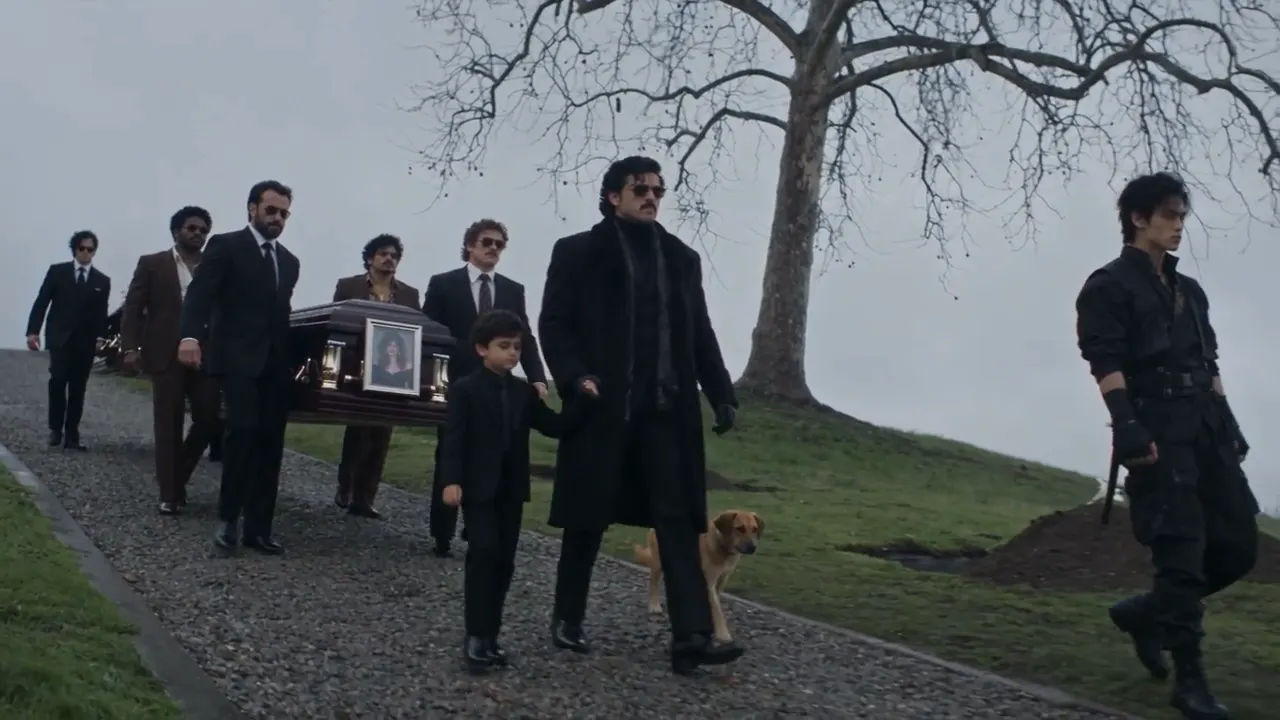
A crime thriller short film holds back one fact the audience wants, then makes them wait for it under low, hard light. Filmito directs the genre in its own series, Good Men, Bad Habits, in which the director plays Rudra. Episode 16 runs 34 seconds, with two coffins in the rain, cases of gold and a dog following Rudra home. Episode 15 runs 32 seconds across a night highway, a pier and a beach.
Thrillers run on what the viewer has not been told yet. A case is carried but not opened. A door closes on a room we are never shown. The camera stays close, the light stays low, and each shot answers one small question while opening a bigger one. In thirty seconds the withheld fact has to survive until the last cut, so every frame keeps pressure on it.
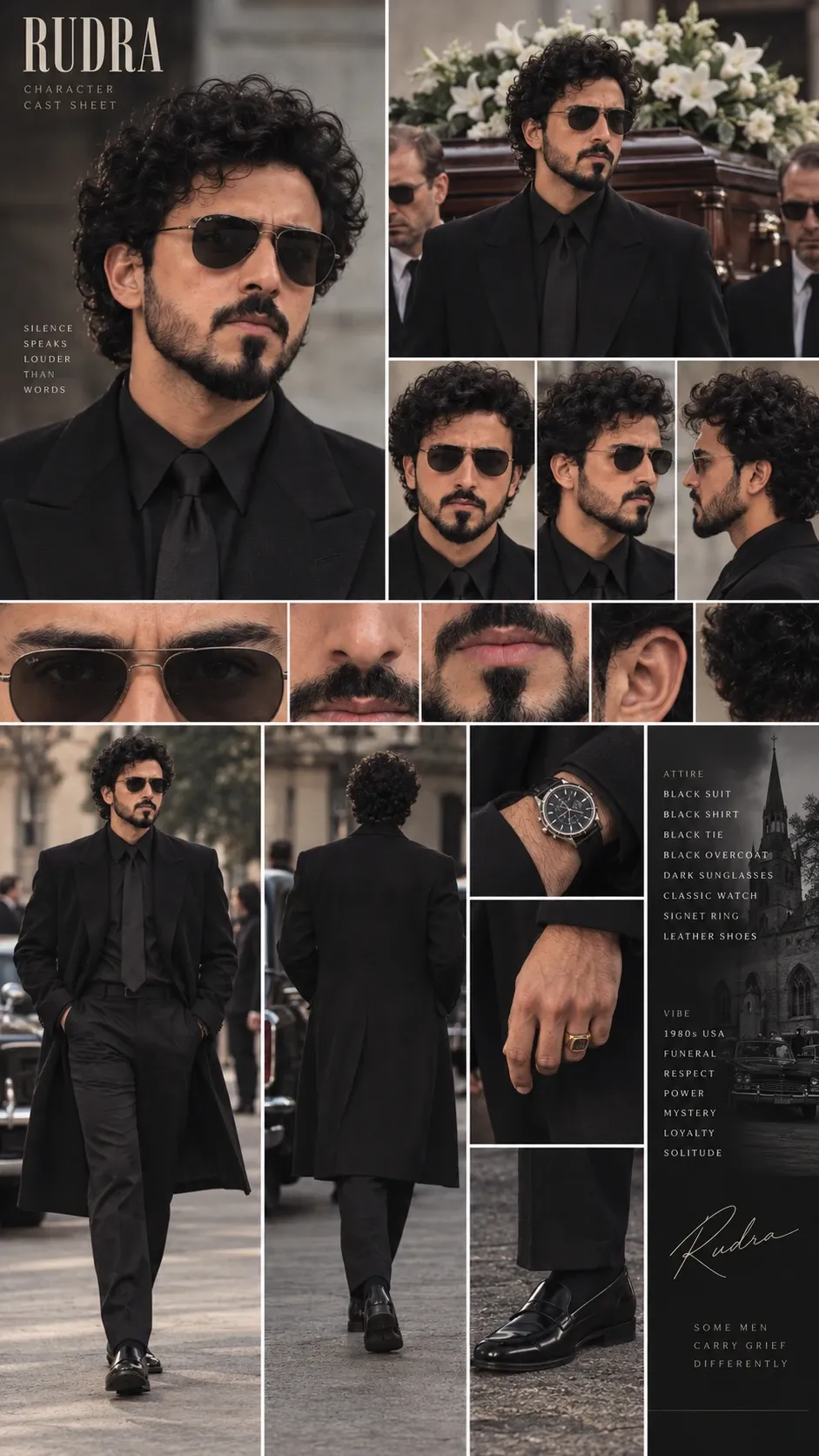
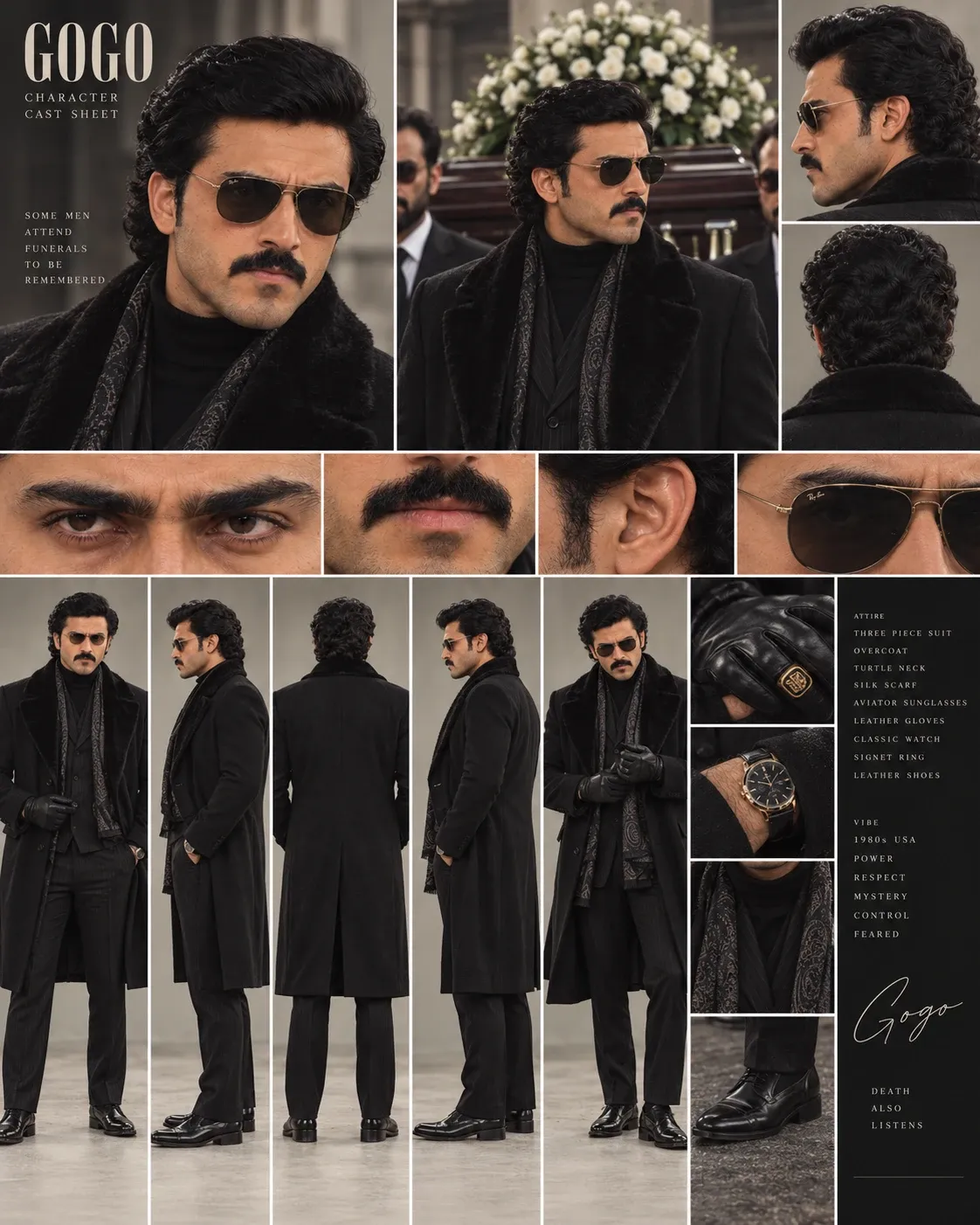
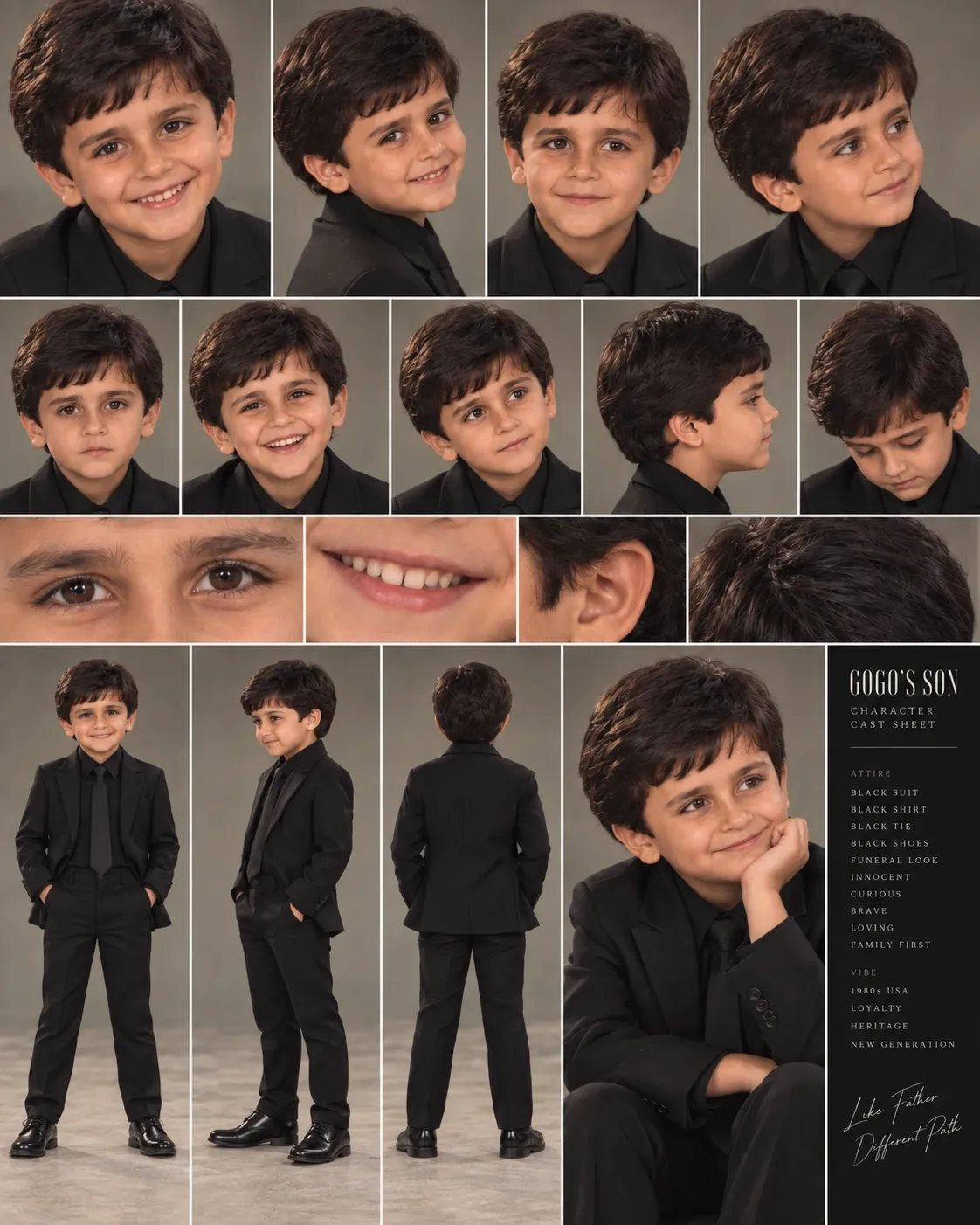
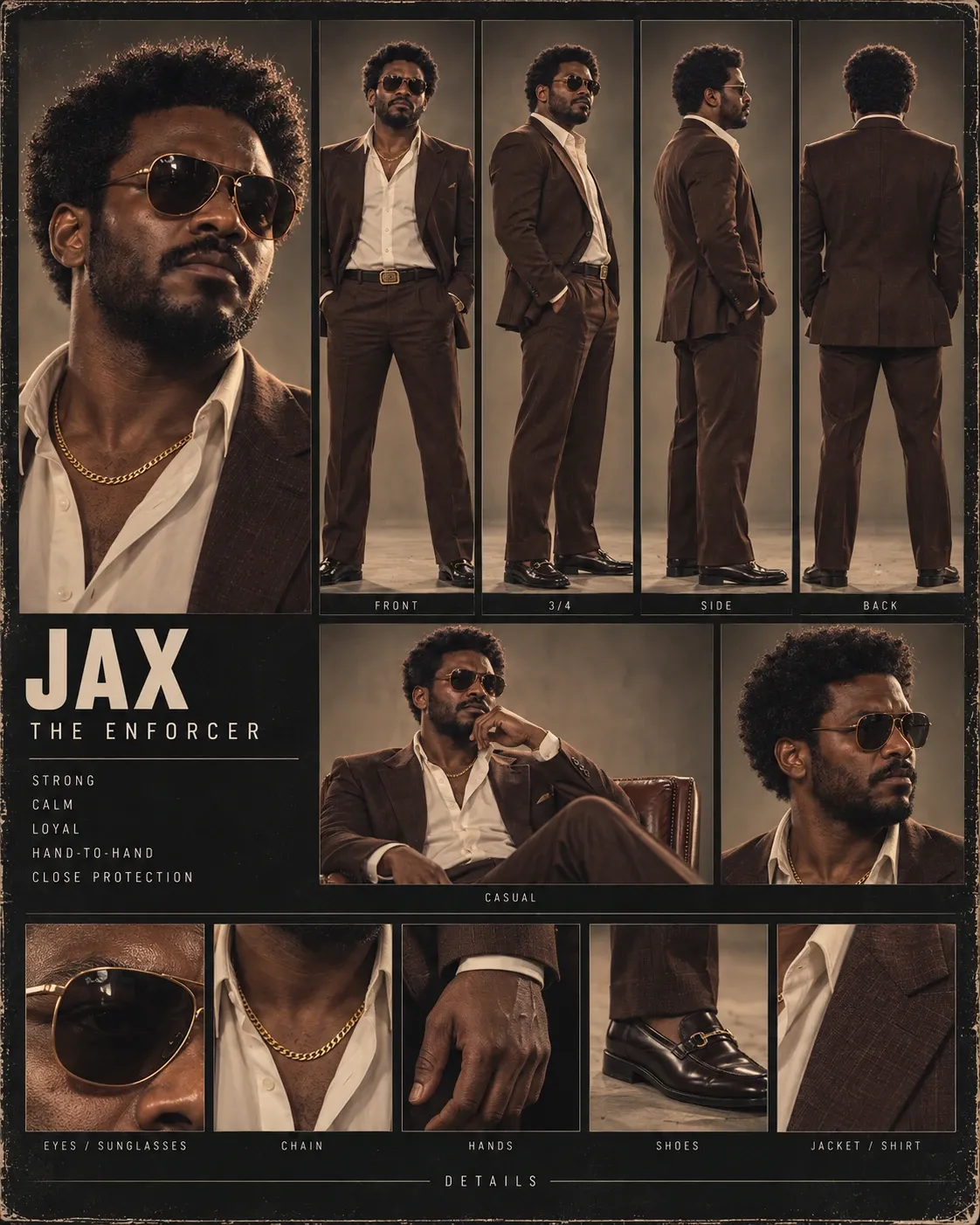
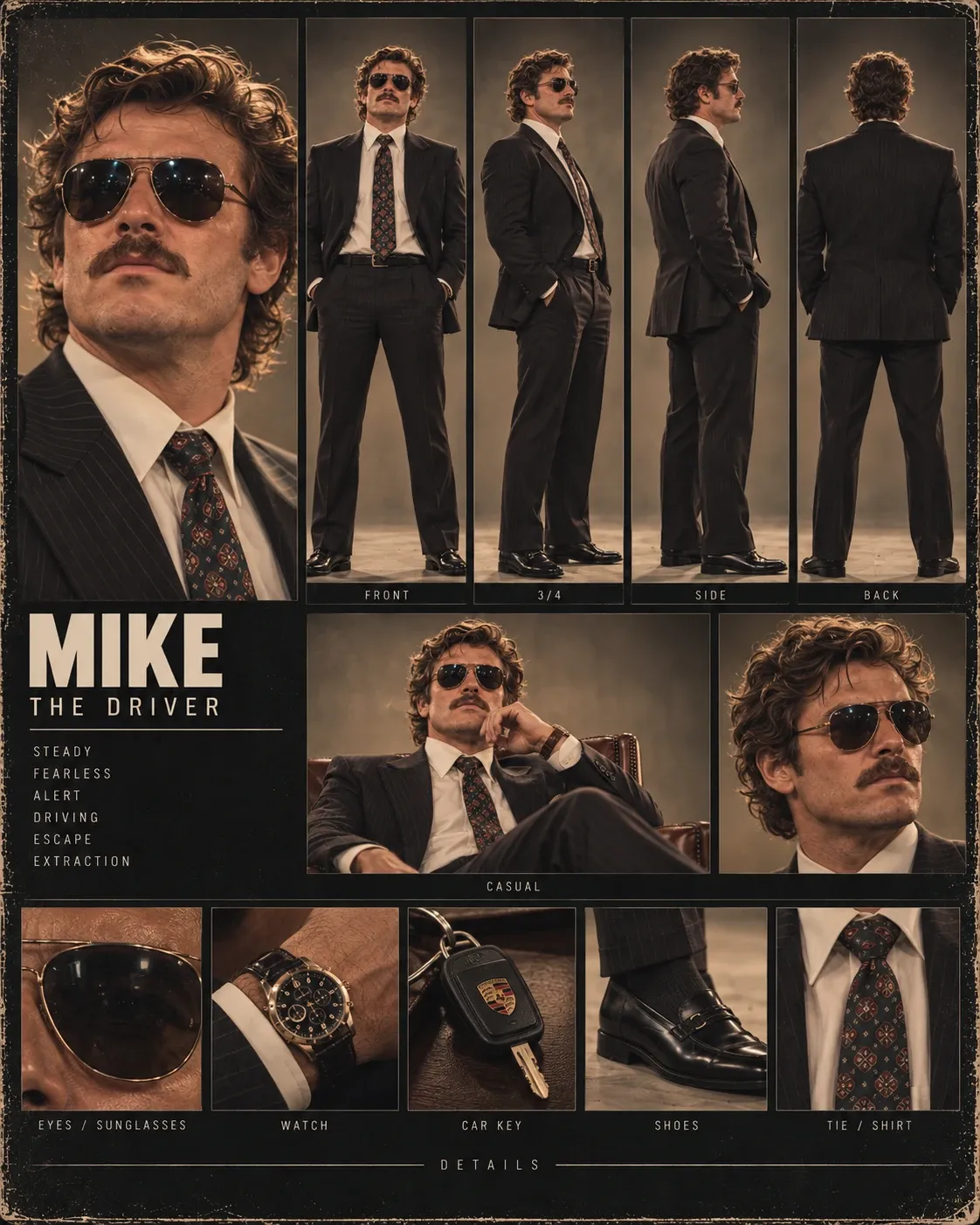
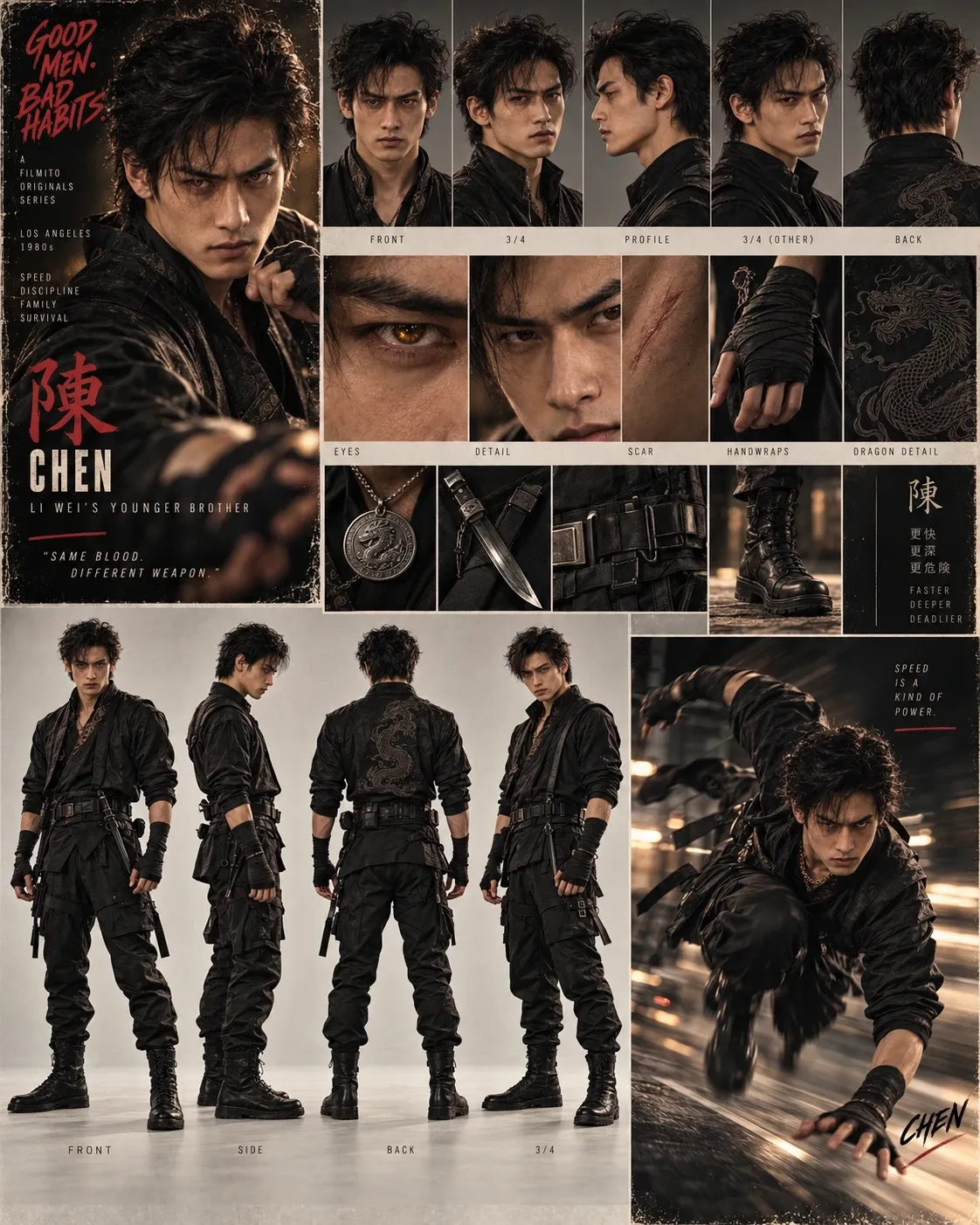
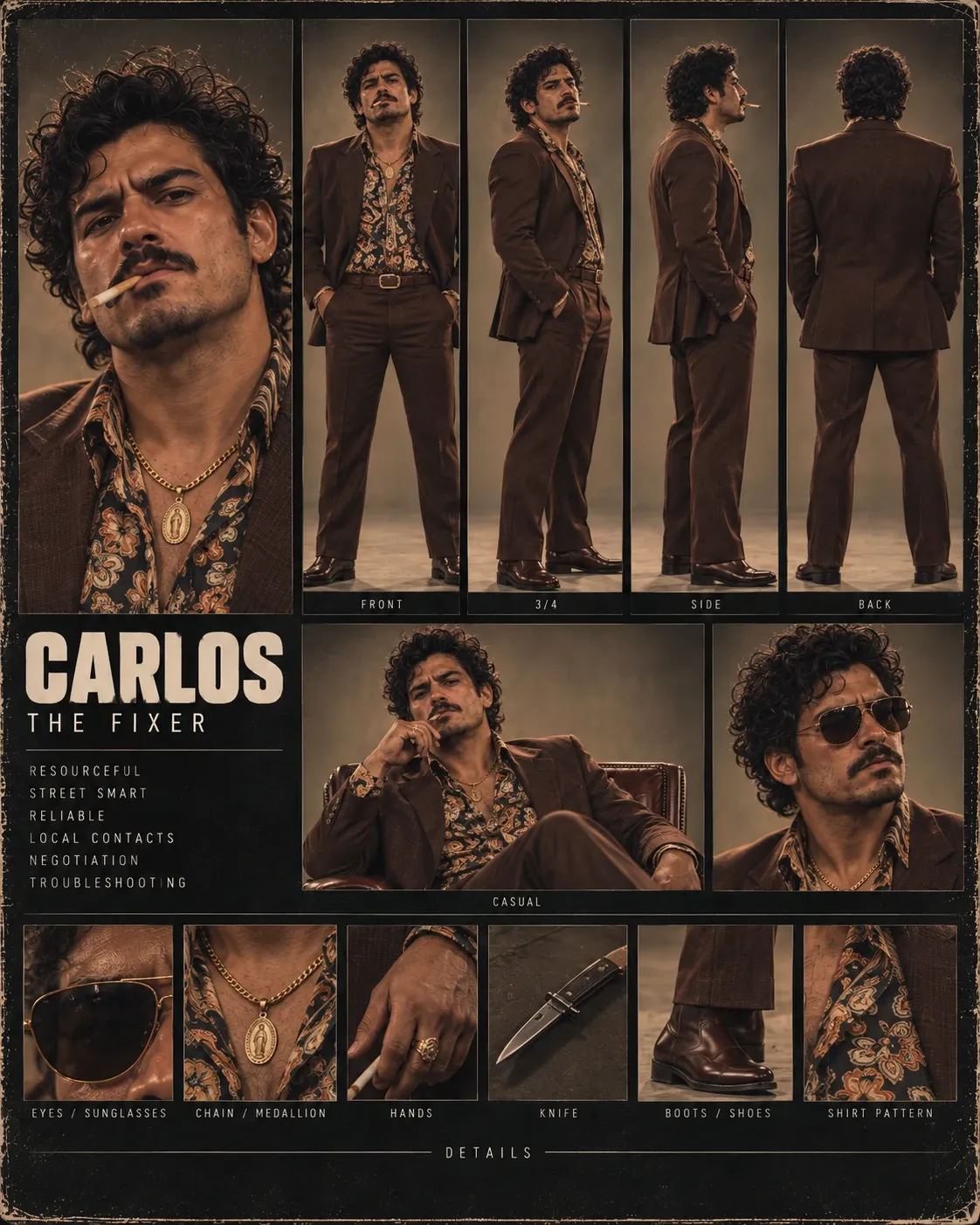
Our crime drama series production starts at home: Good Men, Bad Habits is the Filmito Originals series in which the director plays Rudra. Earlier episodes sit in misty hills and mustard fields. Episodes 15 and 16 turn to night, and 16 to rain: a wooden pier, a grey cemetery, an amber street. The Episode 16 character sheets are here too: eight locked characters and one gold case.
Watch
2 films we made
Tap any film to play it with sound. Every one was written, directed, edited and graded by Filmito.
The grammar of a good thriller
Withhold one fact
Suspense needs a question the audience cannot answer yet. Show the case before its contents, the grave before the name, the car before the driver. Decide whether the viewer knows more than the characters or less, then hold that gap for as long as you dare.
Rain doubles the light
Wet ground turns every lamp into two, and rain lit from behind shows up as silver lines against black. Episode 16 uses rain twice: on the grey cemetery lawn where two coffins are carried, and on the rain-soaked night street lit amber.
One hard source, deep shadow
Noir film production is built on a single strong light: a headlight, a sodium lamp, a bulb over a table. Faces sit half in shadow and backgrounds fall away. In the grade the blacks stay clean, so darkness hides things instead of turning muddy grey.
Hold, then cut hard
Thriller pacing alternates pressure and release. Hold a quiet shot a beat past comfort, then cut into motion: a car spinning out, a fight in the dark. The held shot builds the tension and the hard cut spends it. The hold is where the viewer starts guessing.
Let sound arrive first
An engine idling off screen, rain on an umbrella, a door closing before we see who closed it. Sound warns the viewer that something is near. Hold the sound of the threat and cut the picture away, and the viewer imagines something worse than the frame could show.
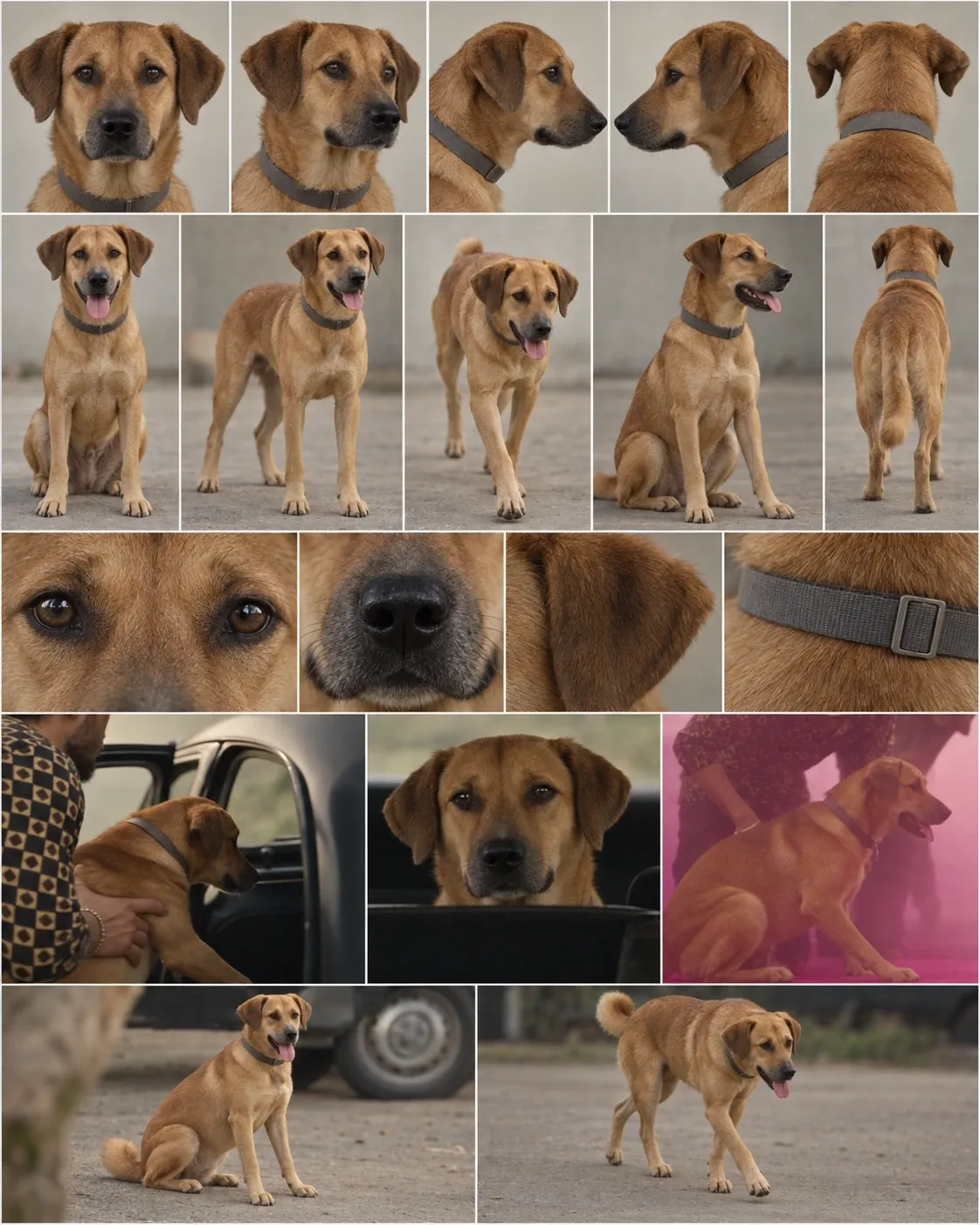
Character sheets from Episode 16
How we direct a thriller
Script the hidden fact
The script starts from what the audience must not learn until the final seconds, and every shot is written to circle it. In a brand film the hidden fact is often the product, revealed only after the problem has been felt.
Lock faces for darkness
Crime stories need faces you still recognise in low light. Every recurring face, and the gold case, is locked on a sheet before the first night shot is written.
Direct the withholding
Where the rain falls, which side the headlight comes from and what must stay hidden go into each shot's prompt, with a negative list. The engine that suits the shot makes the footage, and takes that give the secret away early are cut.
Hand grade, hand mix
Night is won in the grade: warm practicals, clean blacks, skin that survives shadow. The mix is built by hand around the withheld fact, rain and engines carrying the tension, and any title or case number is set in the edit.
What a thriller costs with us
At 15 seconds, $595, a thriller style commercial holds one withheld fact. At 30 seconds, $895, it holds the fact and its reveal. At 60 seconds, $1,495, it has room for pressure and release. The first cut arrives in 3 days, then two revision rounds. A 30-second thriller starring you is a $350 Filmito Original. Under AI Film, a 2-minute crime story is $2,000 and 10 minutes is $6,000.
Where darkness can work against a brand
Real crime grammar carries grief, violence and dread, and most brands should borrow only part of it. A body on the sand belongs in Episode 15, not in an ad for a bank. Borrow the night, the rain and the pressure, then let the product answer the question. Night footage needs care too: a face lost in shadow breaks the story, so every face keeps an edge of light.
Questions
What people ask about crime and thriller films
How dark can a thriller style commercial go before it hurts trust?
Dark enough to raise a question, never so dark that the brand feels like the threat. Keep the night, the rain and the pressure, and leave out bodies, weapons and cruelty. Open on the mood as the hook, then let your product or service be the answer, shown in clear light. We plan that turn in the script, before any shot is directed.
What should a 30-second thriller hold back until the last cut?
One fact the viewer wants: who is in the car, what is in the case, whose grave it is. Everything before the last cut should circle it without naming it. Episode 15 is 32 seconds of fragments: headlights, a convenience store stop, a car spinning out, a sword in the sand. A short thriller can trust the viewer to assemble the rest.
Why do crime films lean so heavily on rain and night?
Night narrows what the viewer can see, so the darkness itself withholds information. Rain gives that darkness a surface: dry asphalt at night reads as flat black, which is why crews have long wetted down streets before night shoots. In Episode 15, headlights and red streaks draw the night highway, so the road still reads.
How do faces stay consistent through rain and night scenes?
Low light is where digital faces drift first, so shots are checked against the character sheets before they reach the edit. Each sheet shows a character from several angles and in costume, which keeps a face identical through the rain funeral and the amber street of Episode 16. An edge of light, a rim or a practical, keeps each face readable.
What separates noir from a thriller when you are planning shots?
Noir is a look and a moral mood: one hard light, deep shadow, wet streets, people who are compromised. A thriller is a structure built on suspense and a withheld fact. They overlap often. Episode 16 leans noir in its rain-soaked amber street, while Episode 15 carries a 1980s American crime mood on a night highway.
What does crime drama series production cost with Filmito?
A brand running a monthly crime drama fits the Growth plan, $2,497 a month for 4 ads, or Scale, $4,997 a month for 8. A personal episode starring you, your family or friends is a Filmito Originals film at $350, from 3 to 6 photos per face. The cast is locked once and reused, so later episodes match the first.
Filmito
Bring us the question your story withholds
Send 3 to 6 photos per face and one line about the night you want filmed. We write the script, lock the cast and deliver within 24 hours.
Since 2017 · 9,700+ films · 4.8 from 970+ reviews on Fiverr