Craft: colour grading
Colour grading: where a film gets its temperature
Colour grading is the final pass on the picture, where contrast, skin and the colour of the light are set so every shot reads as one world. Filmito grades its own films, with no outside colour grading studio in the chain. The team that writes and cuts a film grades it by hand after the edit locks, matching footage from Seedance, Kling, Veo and Grok Imagine. Every finished film is graded, because shots from different engines rarely match on their own.
A generated shot arrives with its own opinion about colour. One engine runs warm, another cool, a third lifts the shadows to a milky grey. Cut them together raw and viewers feel the seams before they can name them. Cinematic colour grading takes those opinions away and gives the film one of its own: how warm the light runs, how deep the blacks sit.
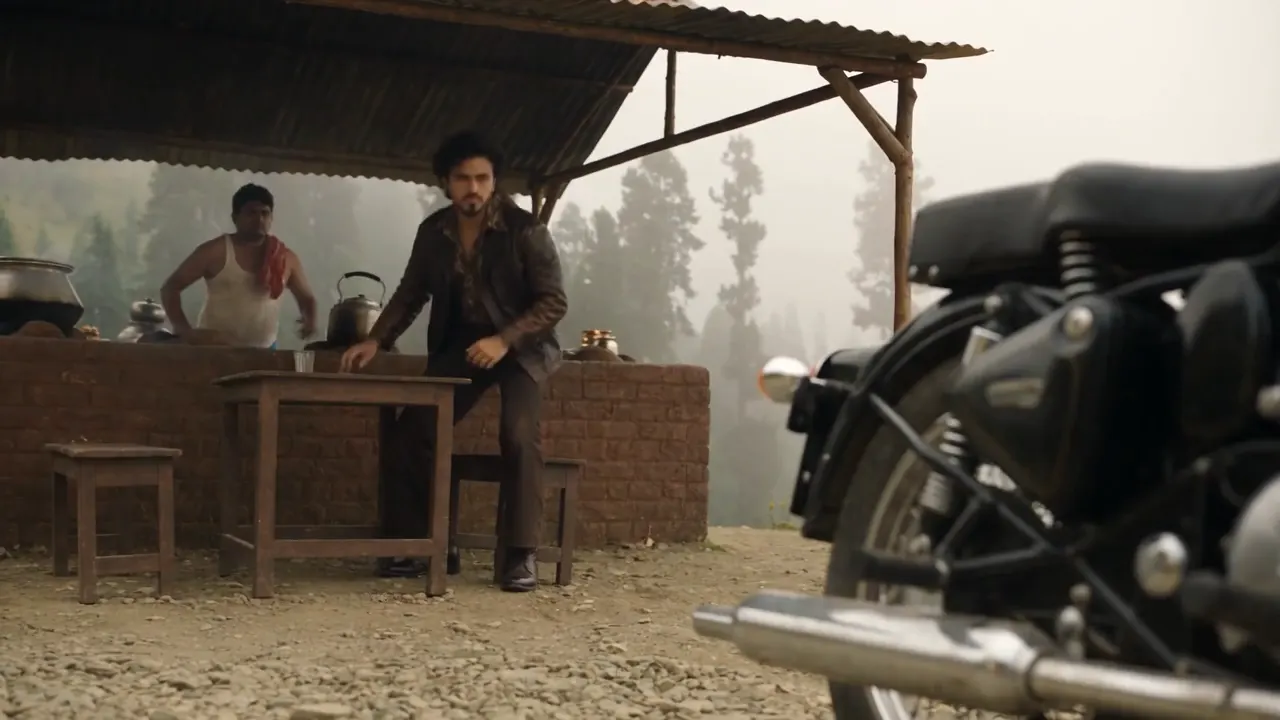
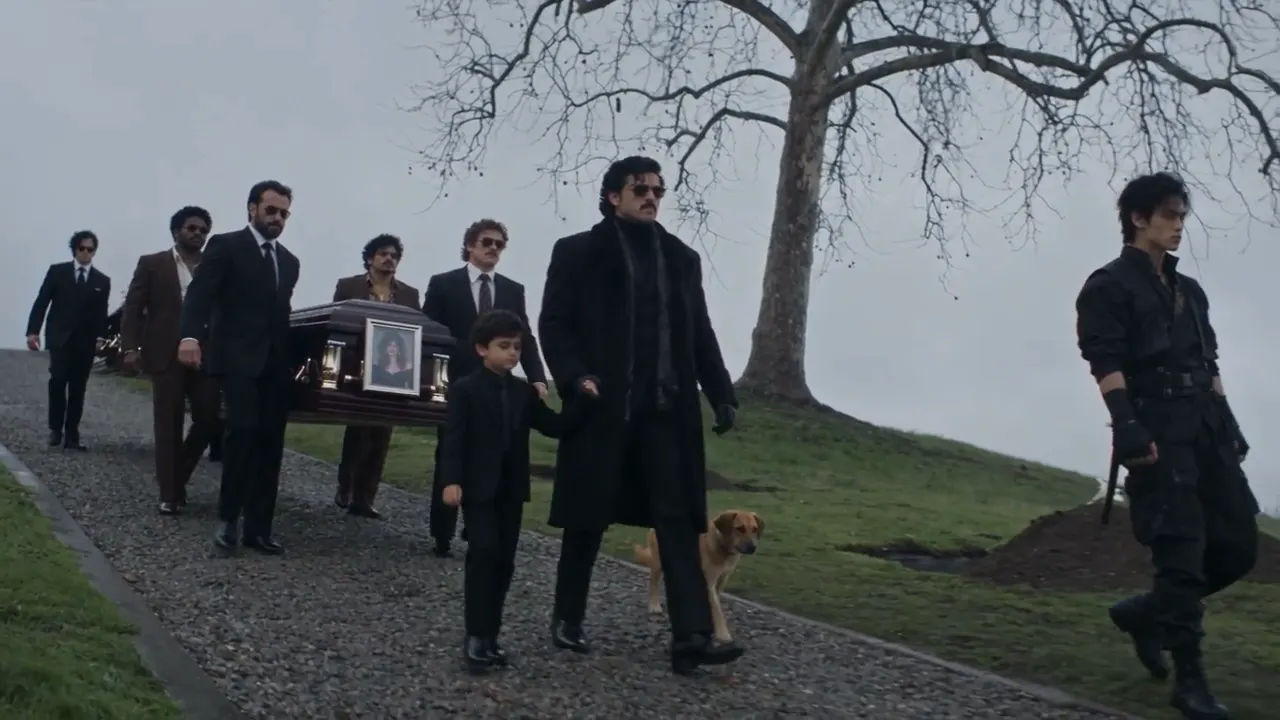
We grade by world, not by preset. In Episode 1 of Good Men, Bad Habits, Rudra's hill country sits in soft mist. Episode 3 is mustard and red under a golden-hour sun. Episode 16 is grey rain at a graveside, then an amber-lit street at night. Be The Kaptaan moves from the first fire to the open sea. Four films, four temperatures, each set by hand.
Watch
4 films we made
Tap any film to play it with sound. Every one was written, directed, edited and graded by Filmito.
What a grade actually decides
Match the engines first
Before any look, every shot must agree. Footage from Seedance, Kling, Veo and Grok Imagine can arrive with different white points, black levels and saturation. A look laid over unmatched shots multiplies those differences, so matching always comes first and the look goes on last.
Skin is the anchor
A green sky can pass as a choice. A green face never does. So skin is checked first in every scene, against the same reference. Character sheets keep Rudra's face identical; the grade keeps his skin the same warmth at a chai stall and on a rain-soaked street at night.
Contrast built for phones
An ad usually meets its audience on a phone, at half brightness, in daylight. Deep blacks that look rich on a grading monitor turn to mud there. So the midtones stay open and the shadows keep their detail, even when the story wants the night to feel dark.
A look per world
A preset gives every film the same sky. A world needs its own rules: which colour leads, how warm the practical lights burn, how softly the highlights roll off. Episode 3 belongs to mustard and red. Episode 1 belongs to hill mist.
Temperature carries the story
Episode 16 is a film about grief and loyalty. It moves from grey rain at the graveside to an amber-lit street at night, where a dog follows Rudra home. The shift from cold to warm lets the audience feel that turn.
How a Filmito grade is built
Light in the prompt
The grade starts before generation. Each shot is directed as a timestamped prompt with a negative list, written with the film's light in mind. Footage then arrives close to the world, and the grade refines rather than rescues.
Balance every shot
After the edit locks, each shot is balanced against one hero frame: the same white point, the same black level, the same exposure on faces. Cuts are then played in sequence, because a mismatch hides in stills and shows in motion.
Build the world's look
Then the look itself, by hand, for this film only: the colour that owns the frame, skin held on its line, contrast shaped for the story. No saved preset, no LUT carried over from the last job.
Watch it like viewers
The finished grade is watched in full, the way a viewer will meet it. We look for skin that shifts between cuts and shadows that lose their detail on a small screen. Nothing ships until the team is proud of it: the goosebumps gate.
What colour grading costs here
The grade is included in every finished film. A 15-second ad at $595 usually holds one world and one look; a two-minute AI Film at $2,000 may cross several, each graded on its own. Ads run $895 for 30 seconds and $1,495 for 60. A Filmito Original, $350 for 30 seconds starring you, is graded the same way. Notes on an ad's look go into its two revision rounds.
Where a grade cannot save a shot
A grade moves colour and contrast. It cannot fix a face that drifted, a hand with six fingers, or light falling from two directions at once. Pushing a generated shot too hard also exposes banding and smeared texture. When a take would need rescuing in the grade, we reject it and generate again. That is one reason most takes never reach the timeline.
Questions
What people ask about colour grading
How do you match shots from Seedance, Kling, Veo and Grok Imagine?
Not shot by shot at first. Each engine's footage is corrected as a batch, since its colour habits repeat across every clip it makes. Then the joins get the attention. The frames either side of a cut between engines are compared on the waveform and vectorscope, and nudged until skin, blacks and highlight colour agree. Only then does the film's look go on.
Why do generated skin tones sometimes look waxy or orange?
Engines tend to smooth texture and push warmth into faces, especially under golden light. In the grade we isolate skin, pull it back onto the skin-tone line and keep some saturation out of it, so it reads as skin rather than plastic. If a face is waxy because detail is missing, colour cannot fix that, so the take goes back.
What is film look colour grading, and is it a filter?
A filter applies one curve to everything. A film look is built in layers: a contrast curve with a gentle highlight roll-off, separation between skin and background, a restrained palette, sometimes grain to hold texture. It is shaped scene by scene. In golden-hour footage like Episode 3, the work is keeping a red jeep and Tara in red clean against all that mustard.
How should colour grading for commercials change for phone screens?
Phones change three things. Screens are small, so separation between subject and background matters more than fine tonal detail. Brightness is often low and auto-adjusting, so faces and product need to sit a little higher than on a monitor. Many phones also boost saturation, so we hold reds and skin slightly back, knowing the handset will push them.
How do you grade one film that crosses several eras?
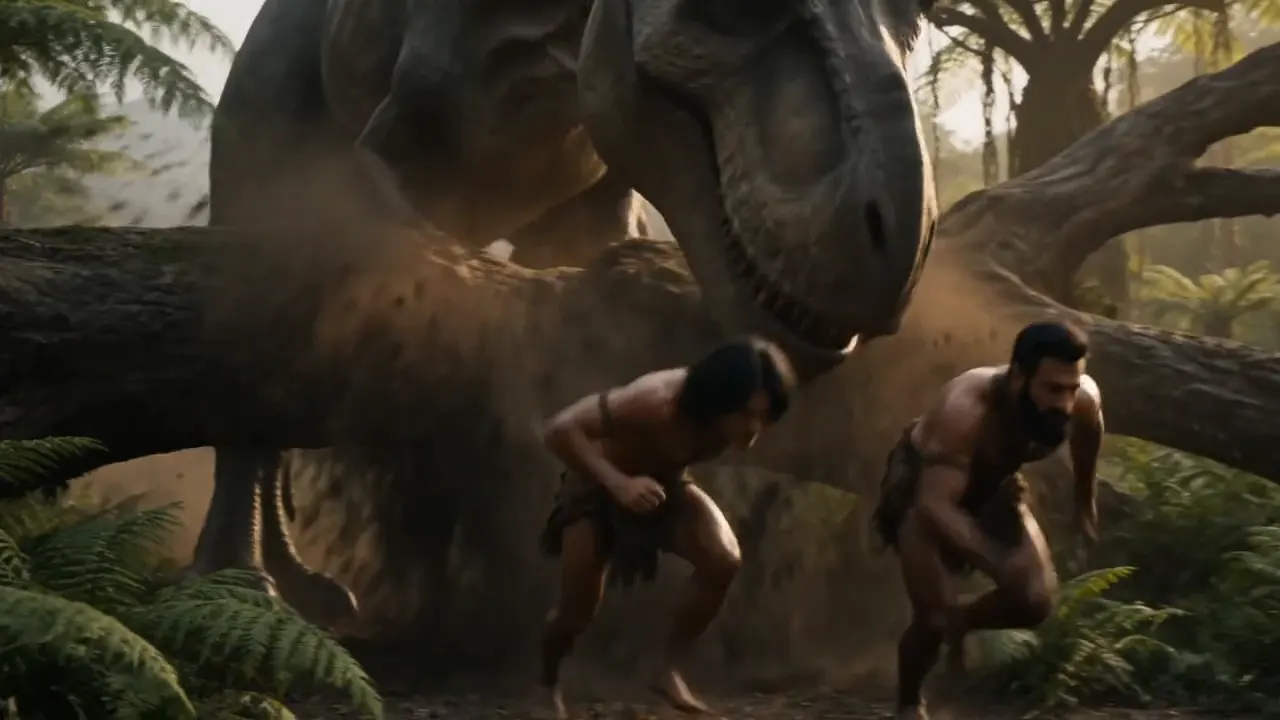
Let each era keep its own light, and hold something steadier underneath. Be The Kaptaan runs 72 seconds, from a prehistoric jungle and the first fire to the open sea and a modern skyline. Firelight, sea light and city light differ by nature. A shared contrast shape and a steady black level help them read as one spirit carried through the ages.
Do camera LUTs work on AI-generated footage?
Rarely well. A camera LUT is built to convert one sensor's log footage, and generated footage has no sensor behind it. So a camera LUT often clips highlights or tints the image. We grade generated footage by hand from a balanced base, and the look is built for that film rather than loaded from a library.
Filmito
Give your film its own light
Tell us where your story lives and what hour it is. We will write, direct, cut and grade it as one film.
Since 2017 · 9,700+ films · 4.8 from 970+ reviews on Fiverr