VFX and world-building
AI VFX for ads, when the effect is the whole frame
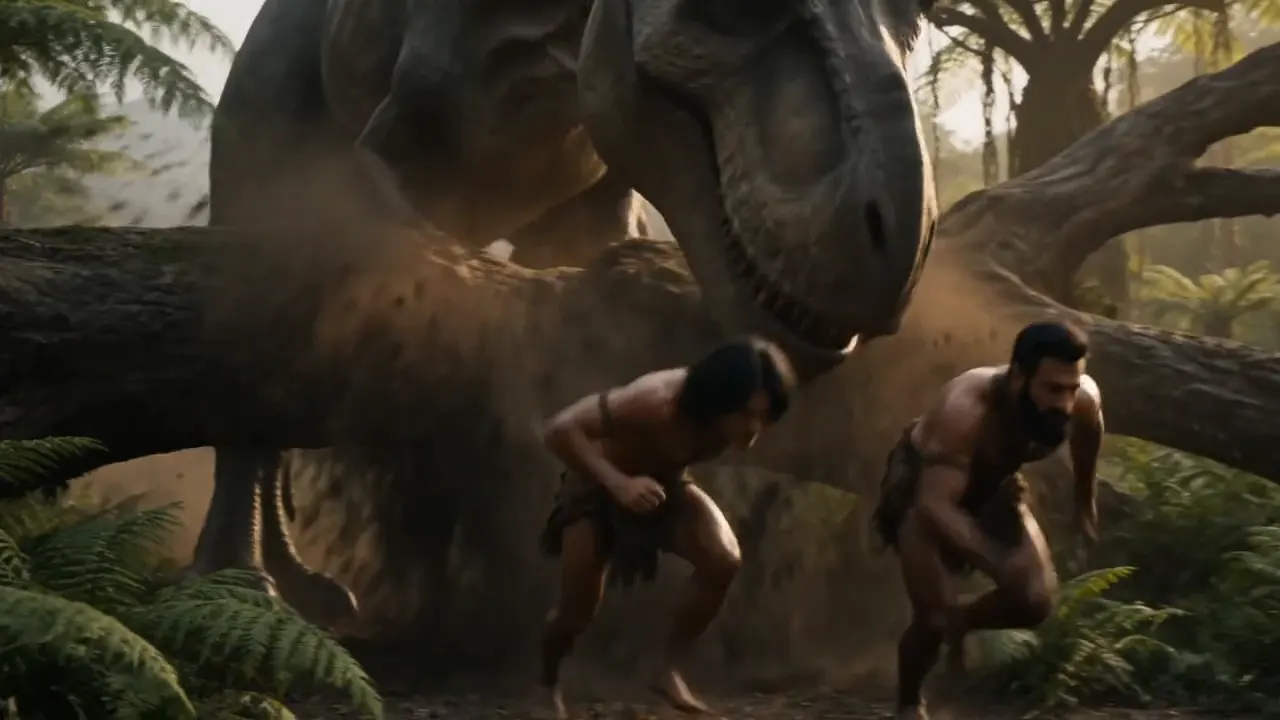
In a generated film, VFX is not a layer over live footage. It is the whole frame, from a prehistoric jungle with dinosaurs to rain on two coffins. Filmito is an AI VFX studio in that sense. A director writes the era, weather and light, locks the cast from reference, and directs AI engines shot by shot. Every title and on-screen price is composited in the edit.
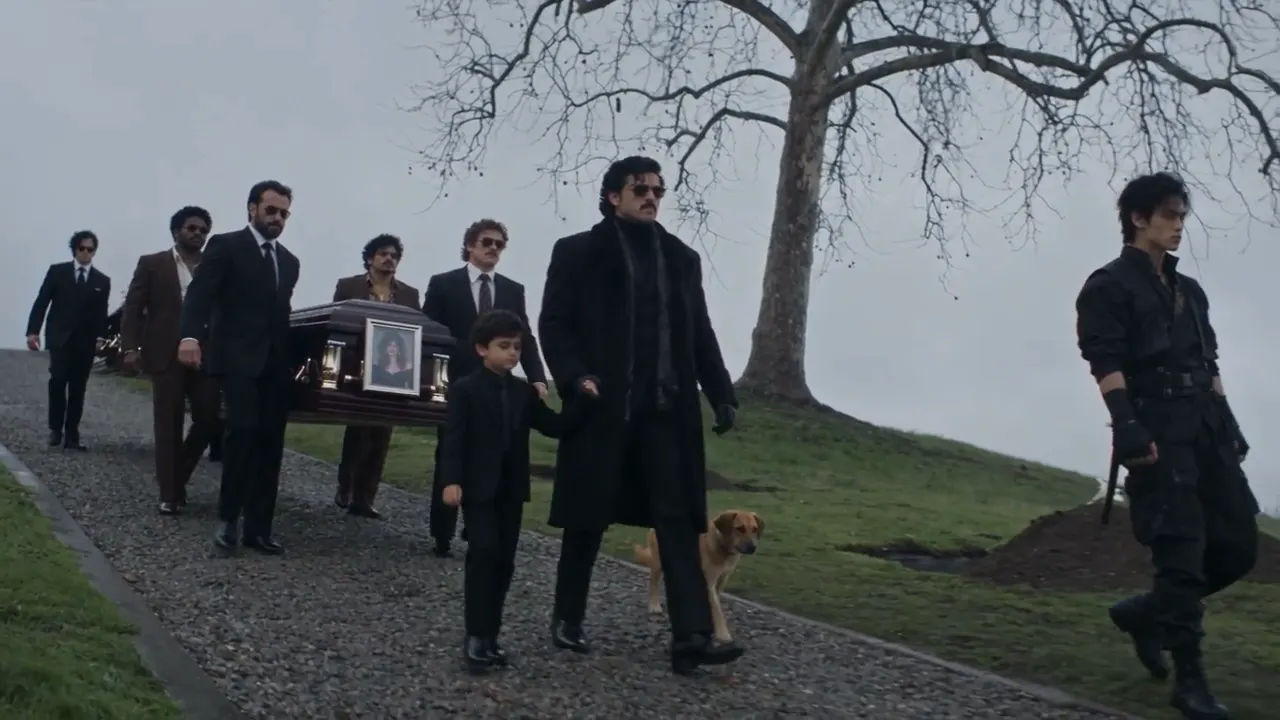
On a traditional shoot, visual effects for commercials fix or extend what the camera caught: a sky replaced, a crowd multiplied, a label tracked onto a bottle. A generated film has no camera plate to extend. The dinosaur, the first fire, the grey cemetery lawn and the dog by the grave never stood in front of a lens. So every one of them has to be designed on purpose.
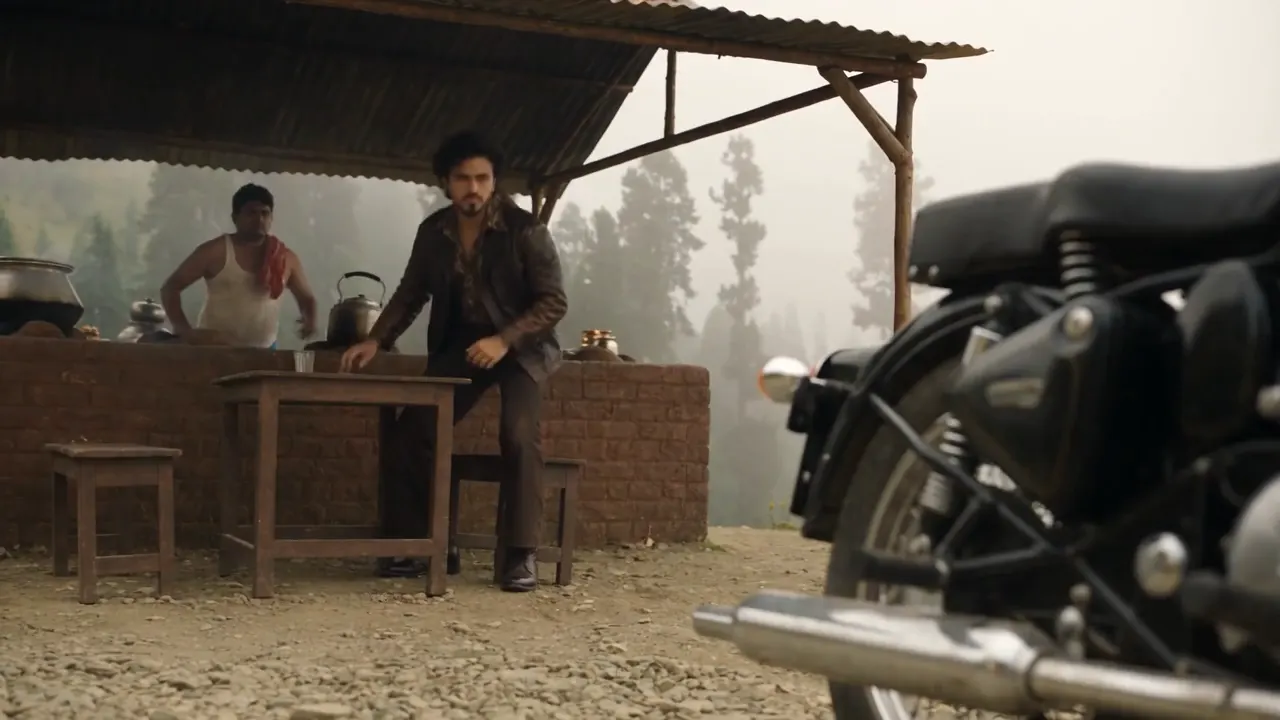
That changes the job. World-building comes first: era, weather, light direction, what the ground is made of. Consistency comes second: the same face, the same bus, the same dog from one shot to the next. Restraint comes third. Anything that must read exactly is never generated: a price, a phone number, a title. It is set in the edit.
Watch
4 films we made
Tap any film to play it with sound. Every one was written, directed, edited and graded by Filmito.
Five rules for building a believable world
Establish the rules early
A wide shot tells the viewer the laws of the world before any action: era, weather, scale, where the light comes from. Be The Kaptaan has to set new laws for every age it crosses, from the first fire to a modern skyline.
Weather is a performance
Rain, mist and dust change how skin, cloth and stone hold light, and the audience feels it before they notice it. Sun counts too. Freshe Schnauze is a summer film, so the same sun has to sit on the purple bus and every dog, shot after shot.
Give everything weight
A dinosaur has to feel heavy, a bus has to sit on its tyres, a fire has to light the faces nearest to it. Contact shadows, dust at the feet and flicker on skin are what sell mass, and a take missing them is rejected.
Continuity is the real effect
A stylised world is accepted as long as it keeps its own rules from cut to cut: the same bus, the same wet sheen on the road, the same dog. Break one rule and the audience stops believing the rest.
Plates stay clean for type
Any shot that will carry a price card, a title or an end card is generated with calm, readable space where the type will sit. The type is then composited over it by hand, whether it is a monthly price, a chapter card or a phone number.
How a generated world gets made
Set the physics
The script names the era, the weather, the light and how heavy things are before it names a single action. Every shot prompt inherits those rules.
Lock cast and props
Before any shot, the cast is locked: each face, each dog and each hero prop gets a reference photo or character sheet that every shot must follow. A creature needs one too, or its size and markings wander between wide and close shots.
Direct for weight
Each shot is a timestamped prompt with a negative list. A take is rejected if a creature loses its weight or its contact shadow. When an engine refuses a moment on moderation, we generate a clean plate without it and finish the moment in compositing.
Composite, grade, mix
Type, logos and any refused moment are composited over the clean picture by hand. Colour grading pulls every era of Kaptaan, from firelight to open sea, into one film, and the sound mix gives dinosaurs and rain their weight.
What a generated world costs
Our price list has no separate VFX line, because in a generated film the world is the footage. Prices are set by length. A finished ad is $595 for 15 seconds, $895 for 30 and $1,495 for 60, with a first cut in 3 days and two revision rounds. Longer worlds go to AI Film: $2,000 for 2 minutes, $6,000 for 10 minutes, $36,000 for 60 minutes.
Where generated VFX still needs a human hand
Generated worlds still have soft spots. A creature can lose its contact shadow, a wet street can dry out between two cuts, and some moments are refused on moderation. Each has a fix: a clean plate, a rewritten prompt, compositing in the edit. If a creature will not hold up, we say so and suggest a shadow, a sound or a cutaway.
Questions
What people ask about vfx and world-building
Can real product text or a logo go into a generated shot?
Yes, but never through the engine. Engines misspell letters and warp small type, so the shot is generated clean and the logo or label is added after the picture is approved. On a moving object it is tracked in compositing, so the letters hold their shape as a bottle turns or a door swings.
What is a clean plate, and when do you need one?
A clean plate is the same shot without the element that causes trouble: a weapon, a label, a word, a stunt an engine will not render. We generate the empty frame, then add the missing piece in compositing or carry it with sound and cutting. It keeps a scene alive when a single moment is refused on moderation.
How do you keep weather and light consistent from shot to shot?
The world rules are written once and repeated in every shot prompt: era, weather, light direction, what the ground is made of. A take whose rain stops, or whose light swings to the wrong side, is rejected. In Episode 16 the rain holds from the cemetery lawn to the amber night street. The grade then pulls any stray shot back into the same light.
Can VFX short film production carry one story across eras?
Yes, if each era is designed with its own rules. Be The Kaptaan moves from a prehistoric jungle with dinosaurs to the first fire, the open sea and a modern skyline in 72 seconds. Every age needs its own ground, sky and light. One spirit carried through the ages is the thread the viewer follows across the cuts.
Does a generated world have to look photoreal?
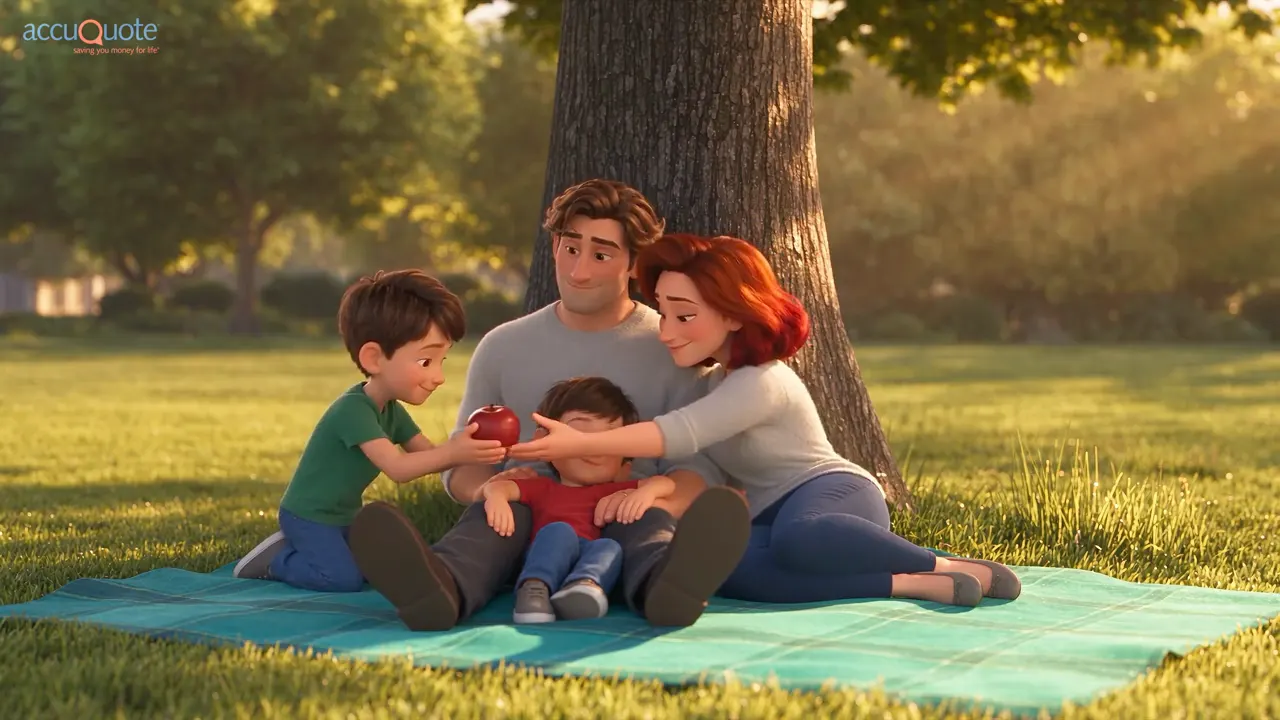
No. CGI world building for ads does not have to chase photorealism. AccuQuote's two-minute film is fully 3D animated in a warm feature-animation style: two kids asleep, a father at the kitchen table at night, a family hug. The same rules apply: the characters hold from shot to shot, and the price cards and end card are set in the edit.
Does a film full of effects cost more than a simple one?
Our published prices follow length: $895 for 30 seconds, $1,495 for 60, and Rush delivery in 48 hours adds 40%. A heavy world mostly shows up in the edit, as more takes rejected before a cut reaches you. Across the 742 projects with versioned cuts in our delivery report, the median film finished on cut 3.0 and 66.2% were approved by cut 3.
Filmito
Tell us the world you picture
Describe the era, the weather and the one thing that must never change between shots. We will reply with how we would build it.
Since 2017 · 9,700+ films · 4.8 from 970+ reviews on Fiverr