Genre: animated films
Animated commercials for the subjects people find hard
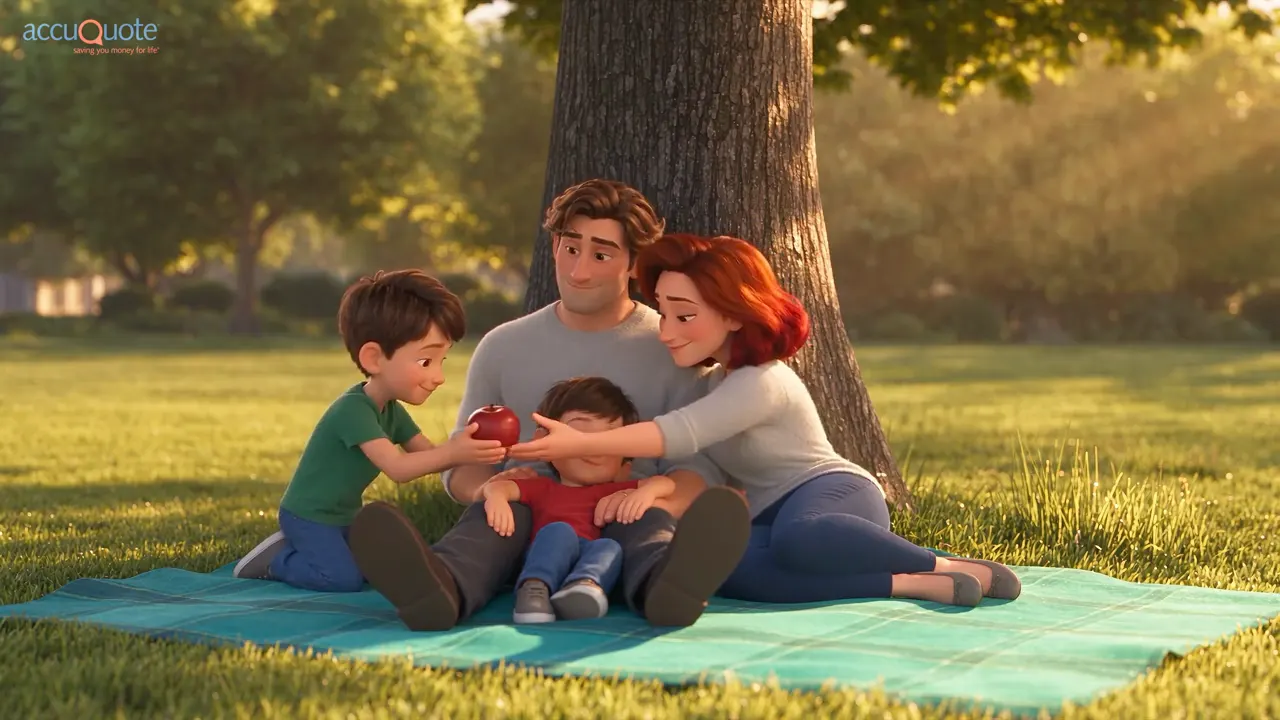
An animated brand film tells a brand's story with designed characters in a built world, so every face, lamp and shadow is chosen rather than found on location. Filmito works as an AI animation studio for films like this. A person writes the script and fixes each character on a turnaround sheet, and the engines render frames only in that locked style. AccuQuote's extended life insurance film is one example, fully 3D animated and delivered as a 120-second and a 60-second version.
Some subjects are hard to film with real people. Life insurance asks a father to picture his family without him. A bedtime product speaks to a parent about their own sleeping child. Animation puts a small, kind distance between the viewer and the worry. An animated father at a kitchen table after dark can carry the thought, and the viewer can sit with it.
That distance only works if the animation is good enough to believe. Anyone raised on feature animation reads eyes, light and timing instantly, and one stiff blink breaks the spell. An animated film studio earns that belief with things a viewer never names. Where the eyes point, where the key light sits, how long a character holds still before a hard choice.
Watch
3 films we made
Tap any film to play it with sound. Every one was written, directed, edited and graded by Filmito.
What makes animation read as feature quality
Eyes carry the performance
Audiences look at the eyes first. A believable character has a catch light, soft wet edges to the lids, and a blink that lands just off the beat of the voice. Pupils move before the head turns. Miss this and the character reads as a mannequin.
Light tells the hour
Feature animation is lit like a live set: a key, a gentle fill, a rim that lifts the figure off the room. Warm practical light against cool shadow says night and home at once, so a kitchen scene feels late without a clock in frame.
Weight and contact
A father's hand holding a child's hand has to press, not hover. Animators call it weight: shoulders that settle into a chair, fingers that close around a mug, feet that land. Characters without weight look like they are skating across the set.
Holds before the turn
Emotional animation lives in holds, a beat where nothing moves except breath. Half a second of stillness before a character makes a hard choice can say more than any line of dialogue. Rush that beat and the decision looks easy, which is the opposite of what the scene means.
Stylised, not photoreal
Feature-style animation pushes shape: larger eyes, softer noses, rounded hands. That step away from photoreal keeps a character clear of the uncanny valley, so it feels like someone you already like. It matters most when the subject is life insurance or a child's bedtime.
How Filmito builds an animated film
Shape the story first
A person writes the script beat by beat before a single frame is rendered. The extended AccuQuote film follows a clear line: two kids asleep, a father alone at the kitchen table at night, a call, the family together. Style serves that line.
Lock character sheets
Each character is fixed on a turnaround sheet before any scene is made: head-to-body ratio, eye size, hair shape and costume, from several angles. Every animated shot is checked against it, and a take where the eyes or a sleeve drift is cut.
Hold the style
Each shot's timestamped prompt carries the animated look: soft shapes, a warm key light, and a negative list that rules out photoreal skin. A take is cut if a hand floats over a mug or the skin starts to look photographed.
Text, grade and mix
Titles, price cards and the number 1-800-442-9899 are typed by hand in the edit, so every digit stays exact. A person grades the warm glow to match across shots and mixes the sound. A last viewing catches any stiff blink or floating hand.
What an animated film costs
A two-minute animated brand film is $2,000 on the AI Film rate card, delivered in 15 days, and 10 minutes is $6,000 in 30 days. A shorter 3D animated commercial follows the ad prices: $595 for 15 seconds, $895 for 30, $1,495 for 60, each with a first cut in 3 days and two revision rounds. The cast is locked once, so a cutdown reuses the same characters.
Where animation needs extra care
Animation made with AI engines shows its seams in long dialogue: lip sync slips and a face stiffens between lines. The style can also creep towards photoreal skin halfway through a film, which breaks the feature look. So animated scripts favour voiceover and held looks over on-screen dialogue. Every shot carries the negative list against photoreal skin, and any take where a mouth drifts off the words is cut.
Questions
What people ask about animated films
Why use animation instead of actors for a life insurance ad?
Real actors playing a family facing loss can feel too close, or too staged. An animated family gives viewers room to picture their own household without flinching. It also lets the brand show exactly the moments it needs, a sleeping child, a late night at the kitchen table, without locations, night shoots or child performers.
Why do animated films favour voiceover over on-screen dialogue?
A mouth is the hardest part of a stylised face to keep steady. Over a long speech the lips fall out of step with the words, and the face goes rigid in the pauses. A voice over the picture frees the character to act with eyes, hands and stillness, where feature animation is strongest. Any line spoken on screen stays short.
Can one animated cast carry both a long and short cut?
Yes. The extended AccuQuote film was delivered as a 120-second and a 60-second version from one animated family. Because the cast is locked before any shot is made, the father, the mother and both children look the same in either length. The shorter cut still has to carry the turn from worry to reassurance, so plan both lengths at the script stage.
What makes a 3D animated commercial look cheap rather than cinematic?
Usually the camera and the surfaces, not the characters. A virtual camera has no weight, so it glides where a real operator would breathe and settle. Light arrives flat from everywhere, with no bounce off a warm wall. Tables are spotless, with no papers and no mug going cold. Even a 15-second spot needs a camera that moves for a reason.
Is animation right for a children's product ad?
Often, yes. Cuddle Buddies Bedtime, a 22-second launch for a children's product, stays in an animated world: a girl asleep, a toy, the moon, one word on screen. No real child is filmed at night. The stylised look keeps the room soft and safe, which is the promise a bedtime brand makes in the first place.
When does a two-minute animated story need a second character?
When someone has to answer the worry. One figure can hold a single feeling, which is why Cuddle Buddies Bedtime centres on a sleeping girl and her toy. In the extended AccuQuote film the father sits alone with the question, and a licensed agent with a headset is the face that turns it towards reassurance. Add a face only when it changes what happens next.
Filmito
Have a subject that needs a gentler telling?
Tell us the worry your customer carries and who they carry it for. We will say whether an animated family can hold it more gently than actors could.
Since 2017 · 9,700+ films · 4.8 from 970+ reviews on Fiverr