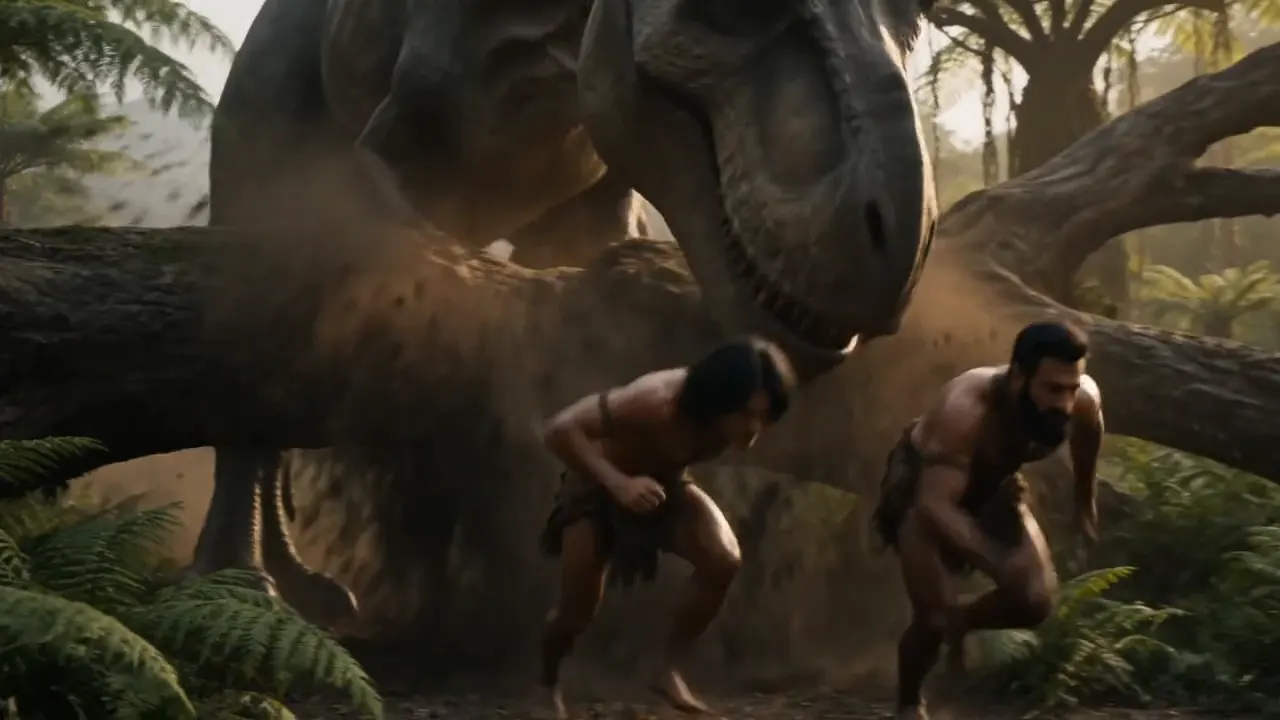
Genre: epic films
Epic films that carry a brand across ages
An epic brand film is a short piece that carries one idea across a vast span of time or place, with a single throughline that keeps the scale from losing the viewer. Every wide shot and time jump is written by a director before AI engines build the worlds, and a person edits, grades and mixes. Be The Kaptaan runs 72 seconds, from a primeval jungle to a modern skyline, and began with one photo of a can.
Epics used to need crowds, horses and a desert location. The grammar was always simpler than the budget: a wide frame that makes a person small, a cut that jumps a thousand years, and one thing that survives every jump. That thing is what the audience follows. Lose it and the film becomes a slideshow of pretty eras.
Be The Kaptaan is our clearest example. In 72 seconds one man carries the same eyes through every age. A tyrannosaur drinks in the jungle, then come the first fire, a desert caravan, a storm at sea, a royal court, a modern skyline. The month that made it produced four films and a vertical edition of each. Two shorter Kaptaan films, 33 and 19 seconds, sit beside it.
Watch
3 films we made
Tap any film to play it with sound. Every one was written, directed, edited and graded by Filmito.
The grammar of a short epic
Wide frames, small people
Scale is a ratio, not a budget. Put the figure low in a wide frame, give the horizon room, and let sky, canopy or water fill the rest. The eye measures the whole world against that one small person.
The time jump cut
Epics cross centuries with a match cut, for example a flame that becomes a lantern. Matching shape, direction or motion across the cut tells the viewer the story continued while the world changed, so the jump reads as time passing, not a new ad.
One throughline
Every change of era risks losing the audience. A single carried element, a face, a fire or an object, gives the eye something to find in each new world. In Be The Kaptaan it is one man: the same eyes in the jungle, at the helm, at court.
Sound that builds
Epic scores rise in layers rather than starting loud. A low drone or slow drums sit under the early worlds, and fuller instruments arrive as the ages advance. A clean pause before the final image lets the brand name land in near silence.
A palette per age
Grading each era in its own colour lets the viewer feel time pass without a caption. Think smoky amber for an ancient hall, dusty ochre for a desert road, steel blue for a modern city. Bringing a little of the first warmth back at the end closes the circle.
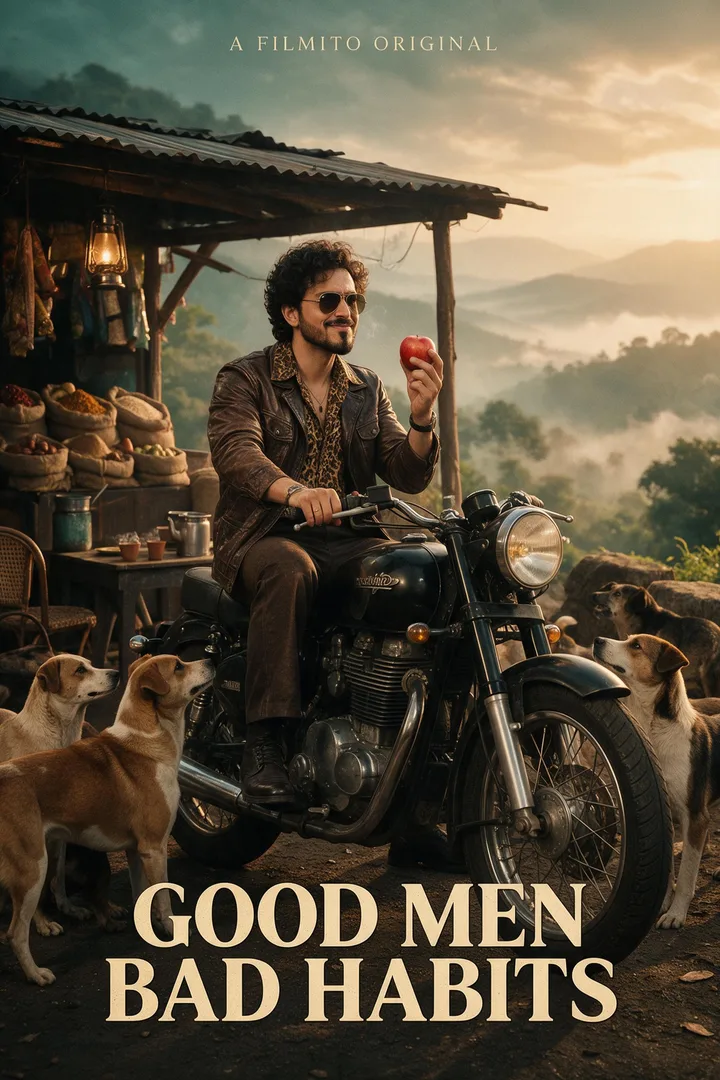
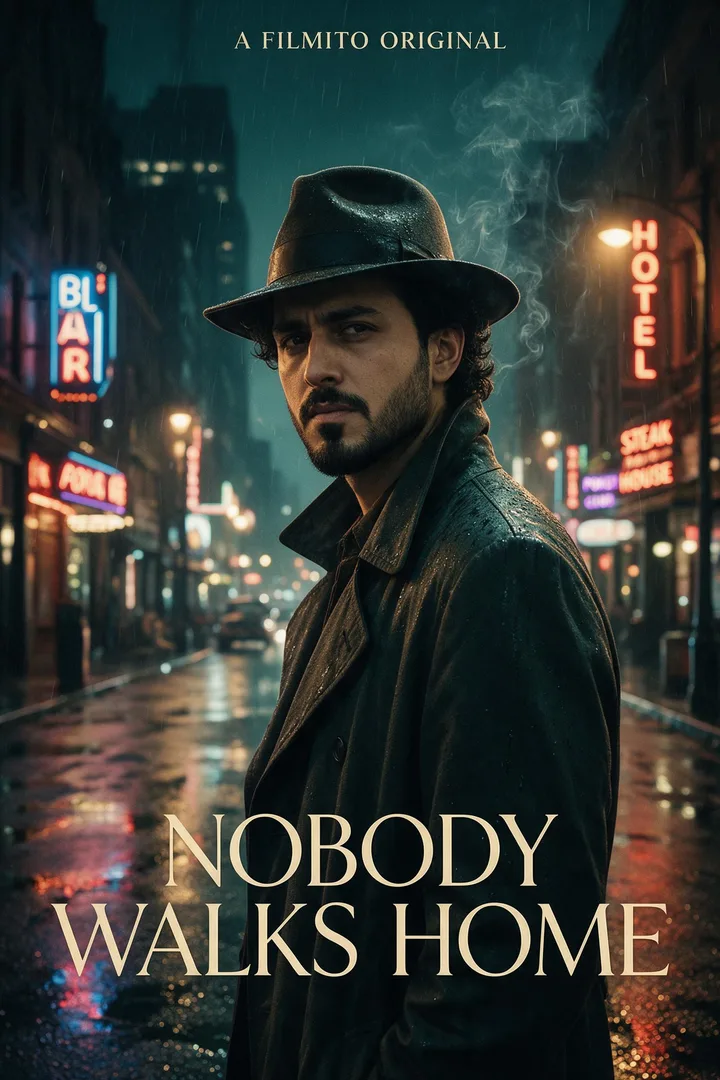
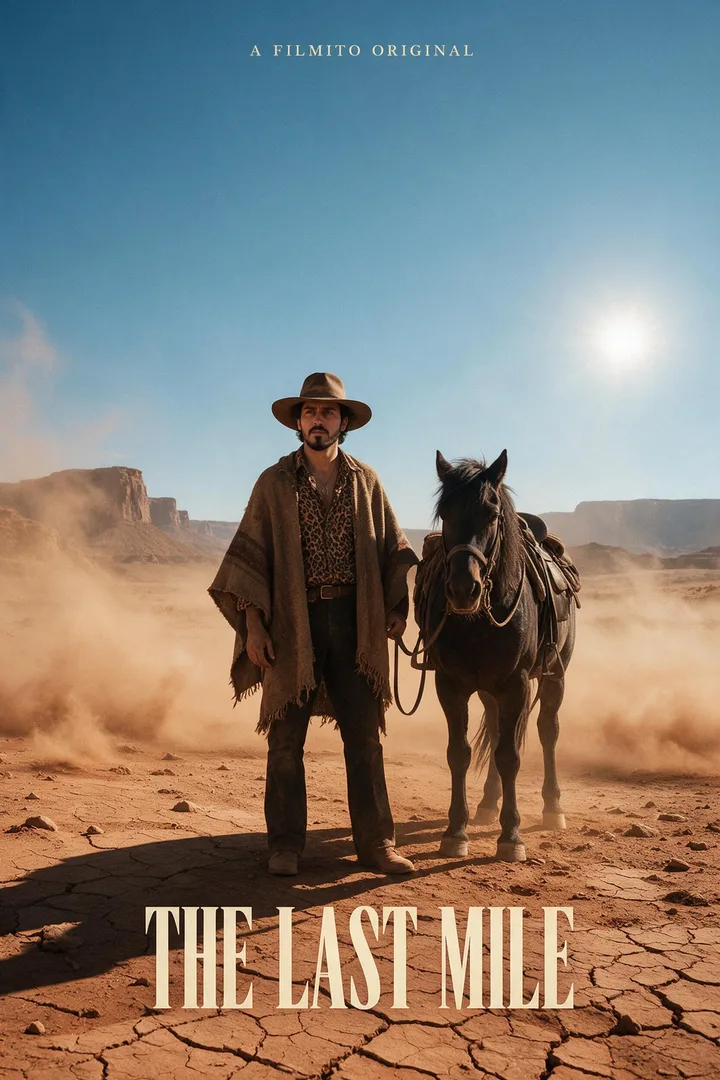
Posters we designed


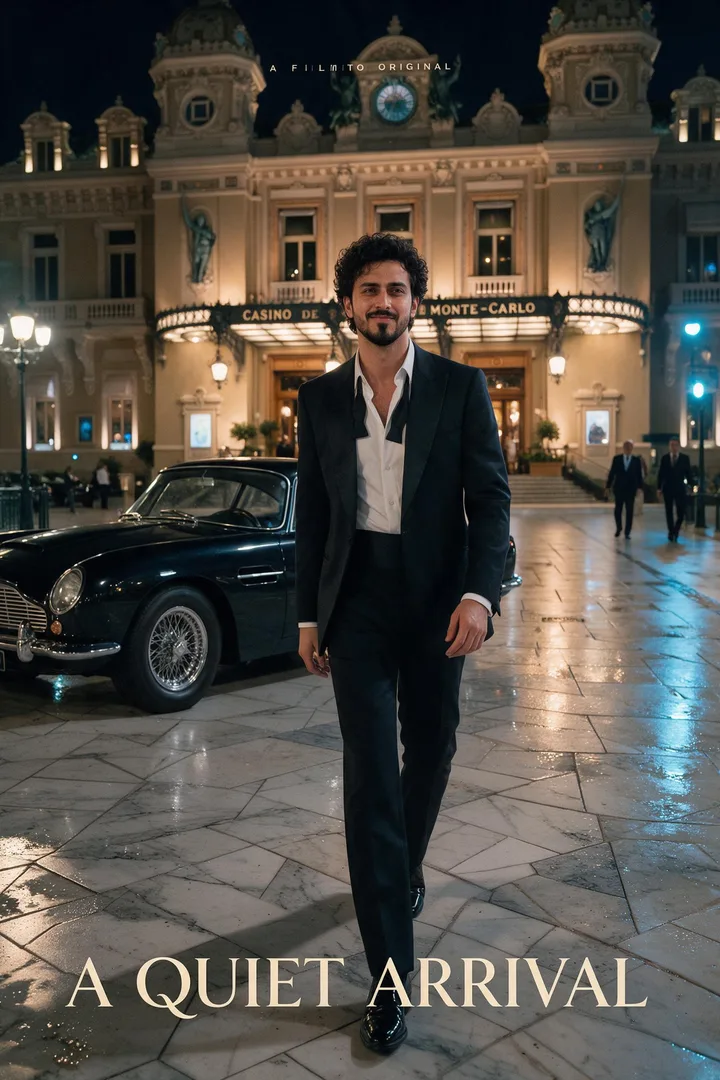
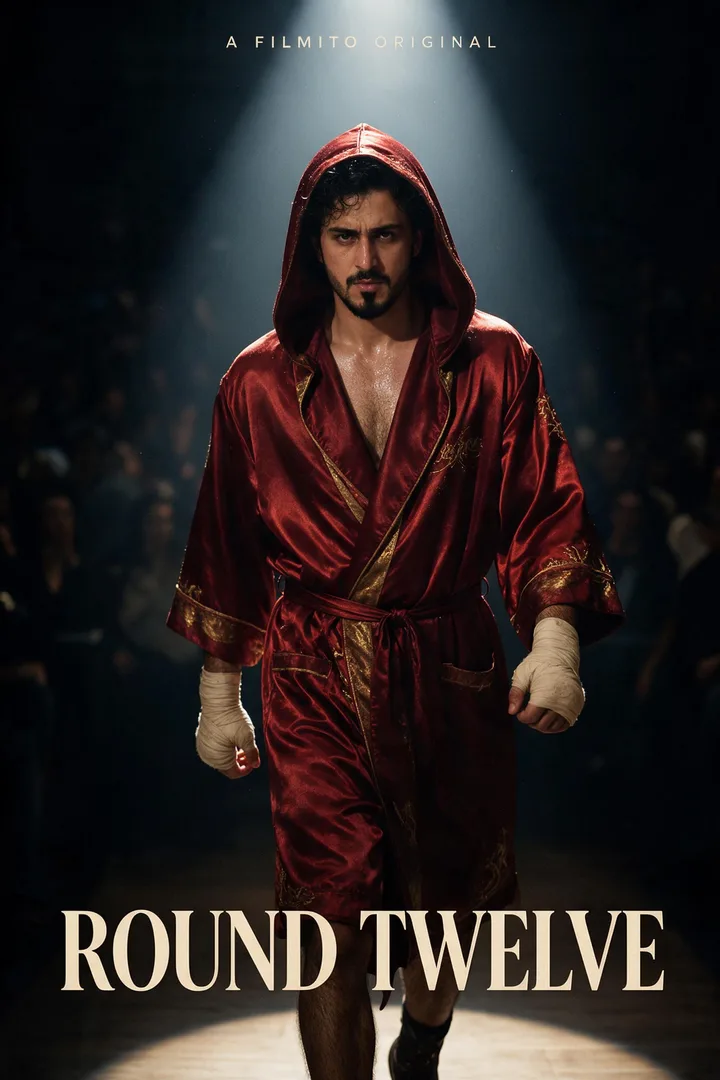
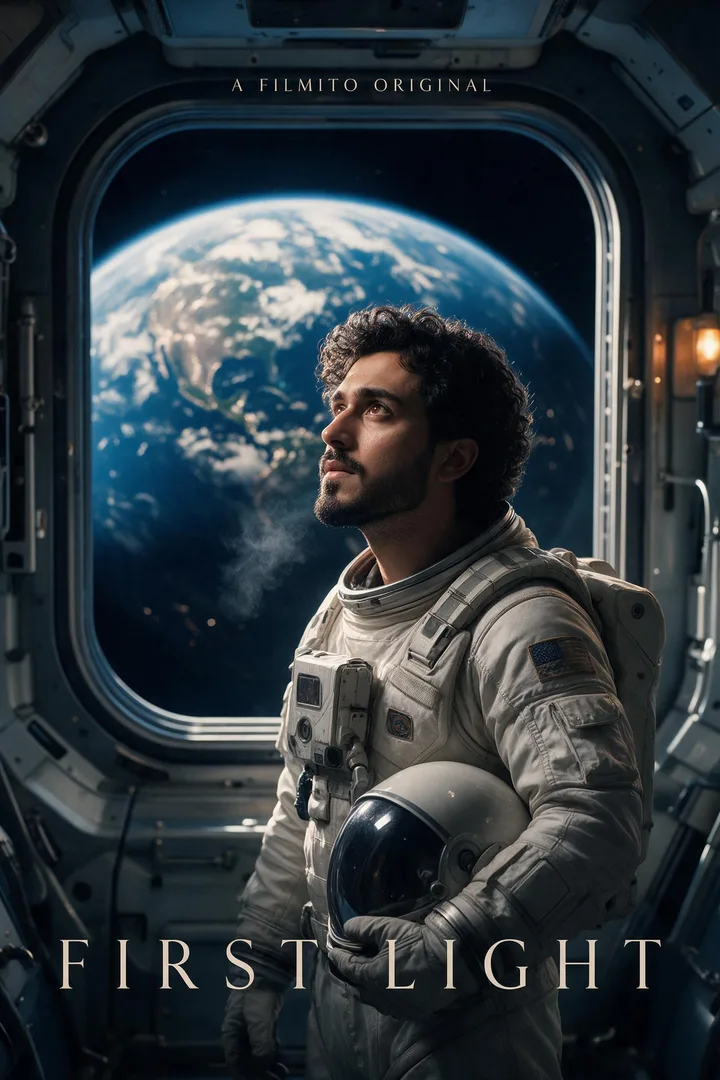
How an epic stays under two minutes
Name the throughline
Before any era is chosen, we name the one thing that travels: a face, a gesture, a product, a value the brand would recognise. Everything else is scenery around it, and scenery can be cut.
One image per age
Be The Kaptaan crosses from a tyrannosaur's waterhole to a modern skyline in 72 seconds because every age is a single clear picture. An age that needs a line of explanation is the first one we cut.
Direct every frame
A person writes each world as a timestamped prompt, widest frame first, with anachronisms on the negative list. The lead's face and the product are locked from reference, and a take is rejected if either drifts between ages.
Hold the widest frames
The edit is where the scale is won or lost. Widest frames are held longest, era cuts are tightened to the match, and each age gets its own grade. Chapter cards such as Life 23 and Life 61 are set over the finished picture.
What a short epic costs here
Be The Kaptaan came from one Growth plan month, $2,497, which delivered four films and a vertical edition of each. A single 60-second cinematic epic commercial is $1,495 as a finished ad, with a first cut in 3 days and two revision rounds. A two-minute epic sits under AI Film at $2,000, and 10 minutes is $6,000.
Where an epic needs the most care
Historical epic video production adds period risk, and we are filmmakers, not historians. Engines drift towards a generic past, mixing centuries in one costume. For a real founding story, the brand's own photos and dates become the reference. Period costume, tools and buildings are written into every prompt, wrong details go on the negative list, and a person rejects any take that drifts.
Questions
What people ask about epic films
How many ages fit in a 72-second epic?
More than most people expect, if each age is one image. Be The Kaptaan moves through a tyrannosaur's waterhole, the first fire, a desert caravan, a chest of treasure, a storm at sea, a royal court and a modern skyline. Each gets only a few seconds. The same man's eyes in every world do the connecting, so the viewer never needs a caption.
Can an epic brand film be made without a location shoot?
Yes. An epic's scale comes from the worlds, not the location. The product is locked from a reference photo, the way Be The Kaptaan started from one photo of a can. The worlds around it are then built one directed shot at a time. Nobody flies to a jungle or charters a boat, so scale no longer sets the budget.
Does a brand epic have to be historically accurate?
No, but it has to choose. Be The Kaptaan is myth: a tyrannosaur drinks at a waterhole in the same film as the first fire, and it was never meant as a history lesson. A brand telling its real founding story needs the opposite discipline: dated costume, tools and buildings in every prompt, and anachronisms on the negative list.
What makes an epic trailer style film feel like cinema?
Mostly structure. Trailer epics open slow, with one held wide and almost no sound, then cut faster through the middle as each new world arrives, and slow down again for the title. The rhythm, not the running time, is what reads as cinema. A time jump only lands if the shot before it was allowed to breathe.
How do you stop the product changing between eras?
An epic asks a product to sit inside worlds that predate it. Engines then tend to restyle it for each era: a clay version by the fire, a brass one at sea. Every era prompt carries the same locked reference, and the negative list forbids period redesigns. A take where the label bends to fit the age is thrown away.
Can one epic grow into shorter films for the same campaign?
Yes, if the character and the idea are strong enough to travel. Be The Kaptaan's month produced four films, the 72-second epic and three retargeting films, plus a vertical edition of each. The Lives of the Kaptaan turns the ages into numbered past lives. The full month is written up at /en/case-studies/be-the-kaptaan.
Filmito
Tell us what your brand has carried
Send one product photo and the idea you want to last. We will name the throughline before we name an era.
Since 2017 · 9,700+ films · 4.8 from 970+ reviews on Fiverr