Craft: scripts and screenplays
Ads and screenplays, written before they are made
Scriptwriting for film is deciding, second by second, what a viewer will see, hear and read before a single frame exists. In video ad scriptwriting that means one idea, a turn and a claim. For a series or a longer film it also means faces and props that return. At Filmito a person writes every script and locks it before any engine generates a shot.
A generator renders whatever it is handed. Give it a weak idea and you get a weak idea, beautifully lit. So the script comes first, and the final draft is always a person's. A person decides what the first two seconds show, which single thought the film carries, and what the last frame asks of the viewer.
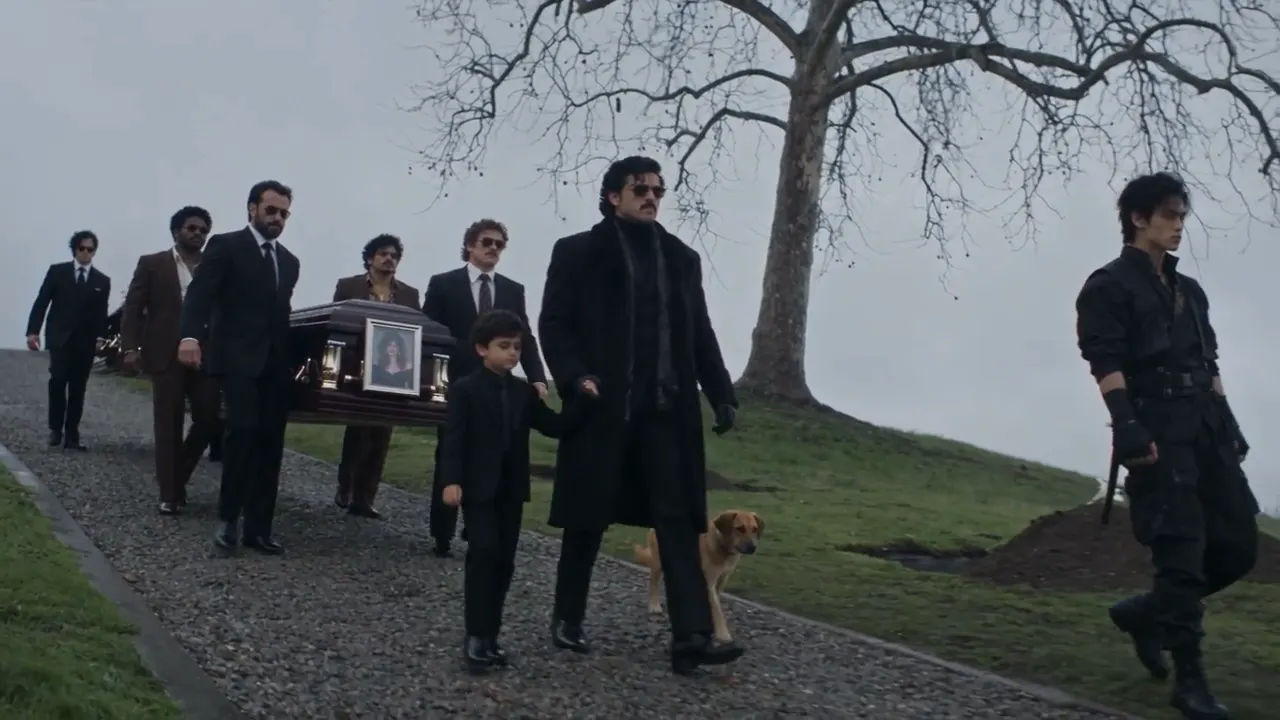
This page covers two jobs. One is the 30 second ad script, worked line by line the way a commercial script writer works it. The other is screenplay writing for short films and series, where an engine forgets a face between shots unless the page pins it down. Our own series, Good Men, Bad Habits, has reached sixteen episodes so far.
Watch
5 films we made
Tap any film to play it with sound. Every one was written, directed, edited and graded by Filmito.
The grammar of ads and episodes
The first two seconds
Feeds are judged in a thumb's flick. The opening shot has to raise a question the viewer wants answered, such as why a chef is awake at 4:58 AM. A logo or a slow establishing shot in that slot invites the skip.
One idea, said once
A 30-second spot holds one thought. Write it as a single sentence before any scene exists, then cut every scene that does not serve it. Two ideas in 30 seconds and the viewer keeps neither, and the edit becomes a compromise.
A claim, then the card
The claim is the one line a client, a regulator and a customer can all accept, like Minaie's promise that there is no fee unless the case is won. The end card after it carries one action: a phone number, a web address or a store name.
Character as habit
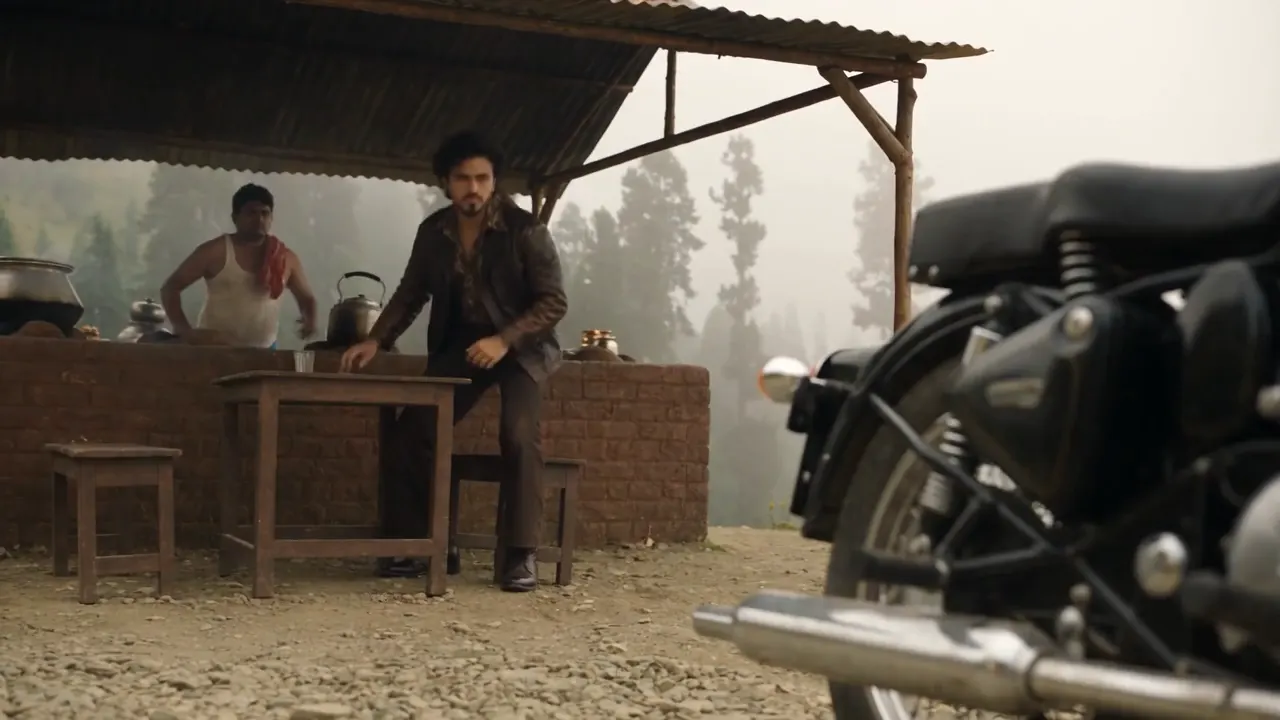
A thirty-second episode has no time for backstory dialogue, so a character is written as a habit or a loyalty. In Episode 1 street dogs know Rudra before we do. That one habit introduces him, and no line of dialogue has to.
Props that come back
A black Ambassador and a Royal Enfield Bullet enter in Episode 1, and the series can bring them back without introduction. A recurring object works like a musical theme: when it returns, its history comes too, so it is written into the script the first time it appears.
From brief to final cut
Read the audience
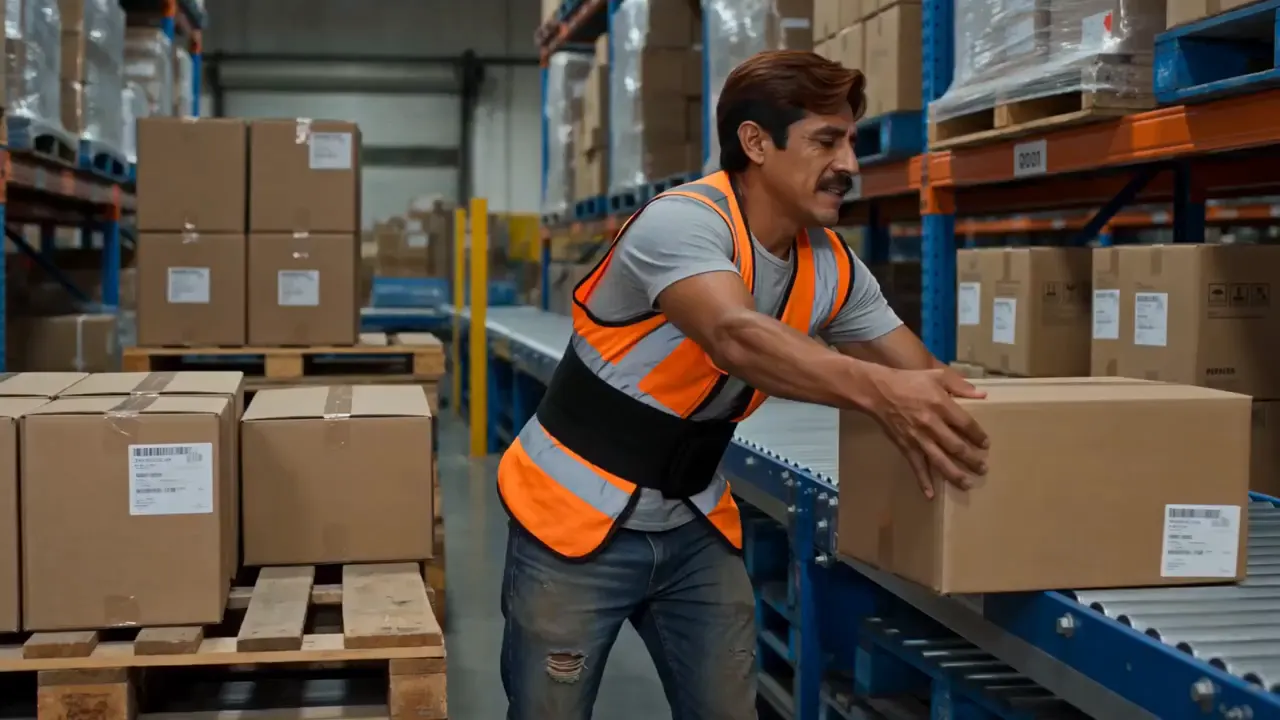
We start with who is watching, where, and for how long: a worker scrolling in Spanish, a chef in Toronto, an audience that will follow a series. A rough draft from our free AI ad script generator is a fine place to begin.
A person rewrites it
Every draft, yours or the free tool's, is rewritten by a person. Each line is timed against 15, 30 or 60 seconds, or against the episode, and every beat that must read with the sound off is marked.
Cast and shots locked
Every returning face gets a character sheet before a shot is written. Then each line becomes a timestamped shot, with a negative list of what must never appear. Nothing is generated until the script is locked.
Cut to the page
In the edit we cut to the script, not to the prettiest take, then grade and mix by hand. Supers, the claim and the end card are set in the edit. In our delivery report, 66.2% of the 742 projects with versioned cuts were approved by cut 3.
What a script costs, by length
A script for a 15-second ad has room for one idea and one claim, and the finished ad is $595. At 30 seconds it is $895, at 60 seconds $1,495, each with a first cut in 3 days and two revision rounds. A 2-minute AI Film is $2,000, 10 minutes $6,000 and 60 minutes $36,000. A draft from the free AI ad script generator costs nothing.
Where a script needs the most care
First, a regulated claim. Legal promises, insurance prices and health messages must say only what the client may say, so we build the claim from the client's own wording and never invent a figure. Second, continuity across a series. A habit, a prop or a loyalty set up in one episode has to hold in the next, so each new script is written against the episodes before it.
Questions
What people ask about scriptwriting and screenplays
What should the first two seconds of an ad script show?
One picture that carries a problem or a question, readable with the sound off. Write it as an action, not a mood: a man who cannot get out of bed, not 'a sense of struggle'. Keep the logo, the product and the price out of these frames; they belong at the end card, once the viewer has a reason to stay.
Where in a 30 second ad script should the turn land?
Past the halfway mark, and early enough to leave room behind it. The problem needs the first half to register; the claim and the end card need the last few seconds clear. A turn that slips to the final beats squeezes both, and the phone number flashes by unread. Time the draft aloud, then write the second the turn lands beside that line.
What makes a claim line safe for a regulated product?
It promises only what the client may promise, in plain words the audience would use. Minaie's Spanish-language spot carries its claim in one sentence: si no ganamos, no cobramos. It avoids superlatives and any result the client cannot prove. In any script the claim gets clear seconds near the end, readable with the sound off, and the client approves the exact wording before a single shot is directed.
In web series writing, how much story fits one episode?
One turn: an arrival, or a chase. Episode 1 runs 27 seconds and does a single thing: it introduces Rudra through the dogs who know his motorcycle. Trying to fit a setup, a twist and a payoff into thirty seconds usually leaves all three thin. Give each episode one change, end on something left open, and let the series carry the rest.
How does a returning prop earn its place in a series?
It has to carry meaning the first time it appears. In Episode 1 seven street dogs know Rudra's Royal Enfield Bullet by its sound, so the motorcycle arrives with a loyalty attached. After that, any episode can bring it back without a line of setup. A prop that means nothing on its first appearance is cut, because a series cannot afford objects the audience has to decode.
How long is the script for a ten-minute AI film?
There is no fixed page count. A classic screenplay runs about a page a minute, so ten pages for ten minutes. Written for generated film, the pages run denser, because every shot becomes a timed beat with camera, light, sound and a negative list. At that length a weak structure costs more than any weak shot, so the structure is settled before a single shot is directed.
Filmito
Send the idea before the script exists
Send a brief, a rough draft, or one sentence about your customer or your story. A person writes the script, then directs the film around it.
Since 2017 · 9,700+ films · 4.8 from 970+ reviews on Fiverr