Video ads by channel / Indian TV
TV commercials for India.
Twenty-five frames, ten-second units, a native version for every language, and disclaimers that pass ASCI.
The medium
Indian television is bought ten seconds at a time. Channels price airtime per ten seconds, from a Gujarati entertainment channel at prime time to an IPL match, where trade press reported ₹18 lakh per ten seconds across the SD and HD feeds in 2026, so a commercial is cut in tens and the ten has to work alone. BARC India reports ratings weekly by market and language, and a plan that covers the Hindi-speaking markets, Tamil Nadu and Gujarat is three films, not one film with subtitles.
The rules changed this year. The Ministry of Information and Broadcasting removed the twelve-minutes-an-hour ad cap from the Cable Television Networks Rules in August 2026, and TRAI repealed its own regulation in September while reserving the right to revisit limits. What remains is the advertising code: no ad that breaks the ASCI code may be carried, no tobacco, alcohol, religious or political ads, and sound that is not excessively loud, with no number attached.
ASCI is precise where the law is not: disclaimers at least 26 pixels tall on a 1080 raster, held four seconds a line, in the language of the claim.
The specs
Quoted from the platforms' own pages. The source and the date each was read are under the table.
| Placement | Ratio | Resolution and file | Length | Sound and captions | Safe zone and rules |
|---|---|---|---|---|---|
| ASCI guidelines for disclaimers (TV and video) | Any | Lower-case text at least 26 px on a 1080 raster, 14 on 576, 57 on 2160 | At least 4 seconds per line; two full lines at most; longer text held at 5 words a second plus a recognition period | Same language as the claim; in sync with the voiceover when the claim is spoken | One disclaimer per frame; the claim's font or a sans serif, no italics; contrasting color, no fading in or out |
| Advertising code, Rule 7 of the Cable Television Networks Rules | n/a | n/a | The 12-minute hourly cap in Rule 7(11) was omitted on 21 August 2026; TRAI's 2012 regulation was repealed on 10 September 2026 | Picture and sound must not be excessively loud; no number given | No ad that violates the ASCI code; no tobacco, alcohol or infant milk substitutes; nothing religious or political; ads clearly distinct from the program |
| HD commercial delivery (delivery vendor's India sheet, third party) | 16:9 | ProRes 422 HQ 1080/50 interlaced, upper field first, 1920 x 1080 at 25 fps, BT.709 | A 30-second spot runs 00:00:00:00 to 00:00:29:24 | 24-bit 48 kHz stereo, peaks at minus 10 dBFS, 1 kHz line-up tone at minus 18 dBFS; open or burnt-in captions only | Title safe per EBU R 95; any slate or clock must be silent; file named with brand, duration and language code |
| SD commercial delivery (same sheet, third party) | 4:3 | ProRes 422 HQ 625/50, 720 x 576 at 25 fps interlaced | As HD | As HD | For channels still running an SD feed |
| Doordarshan | Not published | No official commercial technical sheet found | Priced per 10 seconds by time band and break | n/a | Doordarshan clears commercials itself, between the broadcaster and the media agency (vendor sheet, third party) |
- ASCI, codes and guidelines book (guidelines for disclaimers), read October 27, 2026
- Ministry of Information and Broadcasting, advertising code (Rule 7), read October 27, 2026
- TRAI, repeal of the advertisement duration regulations (Gazette, 10 September 2026), read October 27, 2026
- XR, India broadcast specifications (delivery vendor), read October 27, 2026
- BARC India, television ratings, read October 27, 2026
- exchange4media, IPL 2026 TV rates (trade press, search snippet), read October 27, 2026
- Fox Mandal, advisory on self-declaration certificates (law firm, search snippet), read October 27, 2026
No Star, Zee, Sony, Sun or Doordarshan delivery sheet is public, so the delivery rows come from an ad-delivery vendor and are marked as third party. The ministry's code on its site predates the August 2026 change, which is taken from TRAI's repeal notification. We found no numeric Indian loudness standard; the mix target we use is house practice, not law.
How we build an ad for it
Directed by people, made with AI, finished by hand. You approve the script and the sound before any footage is made.
Twenty-five frames from the start
Indian broadcast runs at 25 and 50 Hz. We originate at 25 or 50 and finish a ProRes 422 HQ 1080/50 interlaced master, upper field first, with a 576-line SD version where a channel still runs SD, instead of converting a 23.976 or 29.97 film at the end.
Cut in tens
Airtime is priced per ten seconds, so the edit is planned as ten, twenty and thirty. The ten carries one idea and the brand and stands on its own; the twenty and the thirty add story rather than padding the same shots.
A native film per language
The Hindi master, then Gujarati, Marathi, Tamil, Telugu, Kannada, Bengali or Malayalam as the plan needs. Scenes are written voice-led with cutaways so dubbing never fights lip movement, every super is re-lettered in its own script, and each language is voiced by a native speaker.
Disclaimers budgeted, not squeezed
ASCI asks for four seconds a line and counts every word on screen, so a two-line disclaimer takes eight seconds of a ten-second spot. We write the claim to need fewer words, set the type at 26 pixels or more on a 1080 raster in a sans serif on a solid block, in the language of the claim.
Measured sound with no legal number
Rule 7 says only that an ad must not be excessively loud. We still mix to a measured integrated loudness as house practice, keep peaks inside the delivery limit, lay the 1 kHz tone at minus 18 dBFS, and keep the slate and clock silent so the file passes the channel's QC.
The category checked before the script
Tobacco, alcohol, infant milk substitutes and religious or political messages cannot air as ads, brand extensions need CBFC certification before telecast, and food and health advertisers file a self-declaration certificate on the Broadcast Seva portal. We check it all before writing and flag the filing to you.
Films that fit
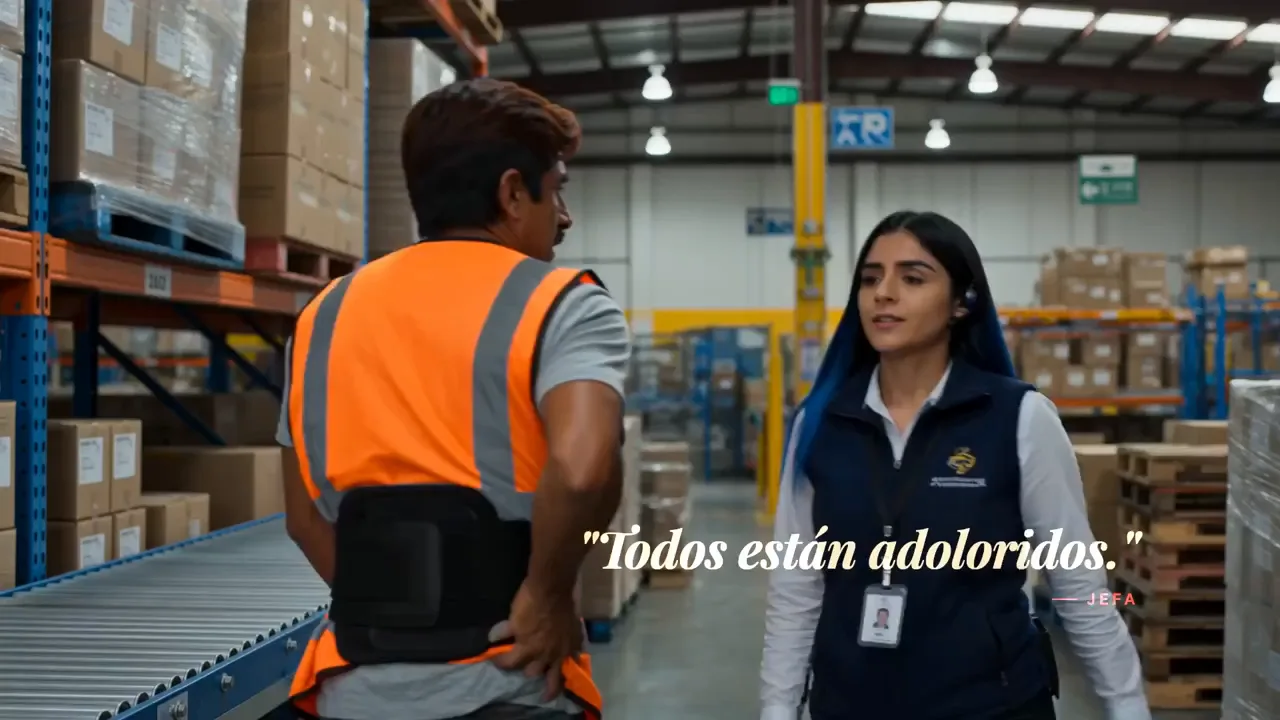
Finished Filmito films, labeled with what each one is. Hover or tap to play.

What to order
A national plan multiplies quickly: a ten, a twenty and a thirty in every language the media plan buys is the volume of Scale, not a single film.
30 seconds to tell the story and earn the click. First cut in 3 days, 2 revision rounds, 16:9 and 9:16 included.
Launch on the pricing page8 unique ads every month. For brands shipping weekly across markets.
Scale on the pricing pageQuestions about Indian TV ads
Is there still a 12-minute ad limit on Indian TV?
No. The Ministry of Information and Broadcasting omitted the cap from Rule 7 of the Cable Television Networks Rules by notification on 21 August 2026, and TRAI repealed its own 2012 regulation on 10 September 2026, while saying it may revisit advertising limits later.
How big must a disclaimer be in an Indian TV ad?
ASCI asks for lower-case letters at least 26 pixels tall on a 1080 raster, 14 on 576 and 57 on 2160, held at least four seconds a line, two lines at most and one disclaimer per frame, in a sans serif or the claim's own font, never italic.
Can a Gujarati ad carry an English disclaimer?
No. ASCI says a disclaimer must be in the same language as the claim, and in a bilingual ad, the dominant language. When the claim is spoken, the disclaimer appears in sync with the voice, so each language version gets its own disclaimer.
What frame rate do Indian TV channels need?
Twenty-five frames a second. Delivery vendors list HD as ProRes 422 HQ 1080/50 interlaced, upper field first, and SD as 720 by 576 at 625/50. We originate at 25 or 50 so nothing is converted, and deliver both when a channel still runs an SD feed.
Do food and health ads need a filing before they air?
Yes. Since the Supreme Court's order of May 2024 and the ministry's advisory that July, food and health advertisers file a self-declaration certificate on the Broadcast Seva portal before television ads air. It is the advertiser's filing; we flag it when the brief arrives.
Who books Indian TV airtime?
Your media agency or each network's ad sales team: national linear television has no self-serve booking, and Doordarshan clears commercials itself with the agency. Filmito makes the commercial and its language versions to each channel's delivery sheet.
Keep planning
Other screens, the craft behind the films, and the public prices.
Other channels
Craft and proof
Plan your ad
Filmito
Tell us the screen. We build the film.
Six short questions about your brand and where the ad will run. A person replies within one business day with the idea, the price and the date.
Since 2017 · 9,700+ films · 4.8 from 970+ reviews, every one readable