Process
先配音,后视频:为什么要在任何画面制作前确认声音
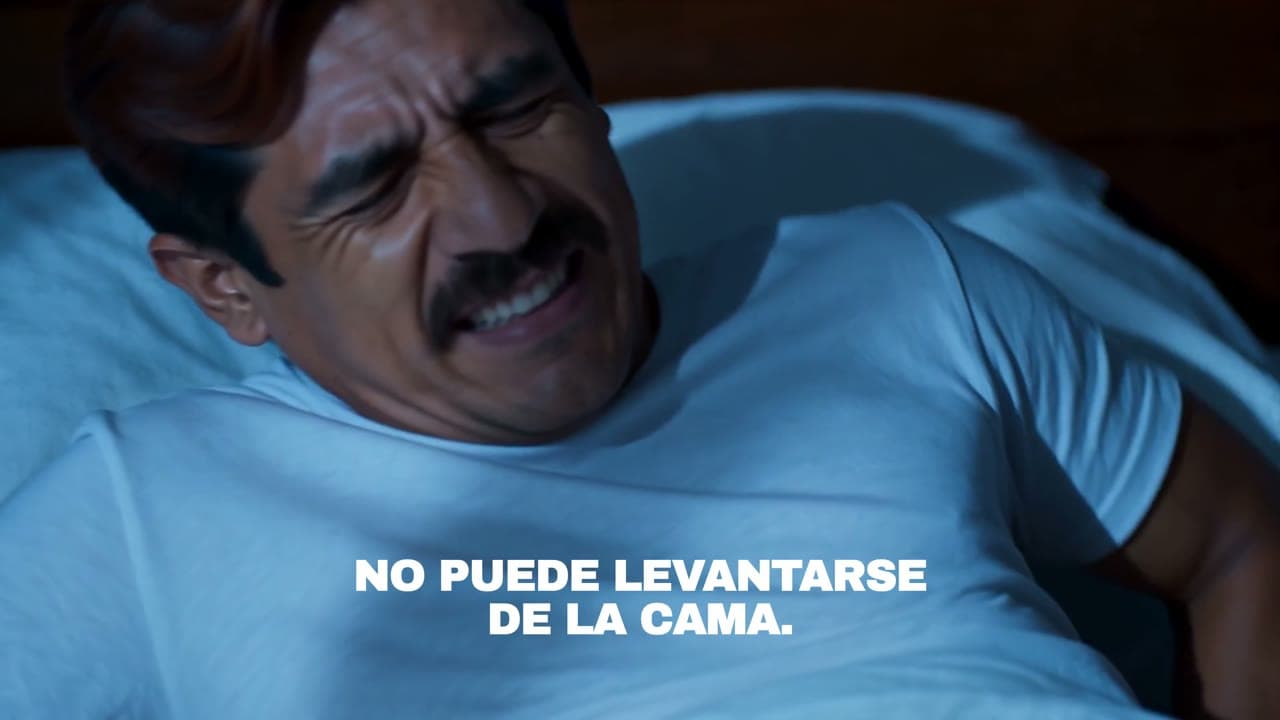
Should the voiceover come before the video or after it? For an ad made from a script, before. Our process runs in one order: you approve the script, then the voice and the music, and only then do we make any footage. It feels backwards for about a day. Here is why we work this way, what you approve at the sound stage, why AI makes the order matter more, and when the order is wrong.
The usual order, and where it breaks
On a conventional production, picture leads. The crew shoots, the editor cuts, and the voice and the music are laid under the finished edit, usually late in the schedule. That order makes sense when the footage is the expensive, unrepeatable part. It also means the sound arrives when the budget is spent and the deadline is close, and the surprises arrive with it.
- A voice that sounds ten years younger than the brand, or more excited than the product deserves.
- A track that makes a calm service feel frantic, or a serious subject feel like a sale.
- A script that read well on paper and runs six seconds long when a person actually says it.
Each of those is cheap to fix as a sound file and expensive to fix as a finished cut. So we turned the order around.
Our order: six steps, two approvals before anything is made
Here is the process as our homepage describes it:
- Brief. You tell us about the brand and what the ad should do. A website and a logo are enough.
- Script. We write it and send it to you. Nothing moves until you approve it.
- Sound. We cast the voice and choose the music. You approve both before any footage is made.
- First cut. We make the footage, then edit, grade and mix it by hand. On Launch it arrives in 3 days.
- Review. Launch includes two revision rounds. Monthly plans include unlimited revisions within the month.
- Delivered. Final files in 16:9 and 9:16, both in 4K. You own the finished film.
Two of the six steps are your approvals, and both come before a single frame exists.
What you approve at the sound stage, and what comes later
Sound at this stage means two things: the voice and the music. It does not mean the finished mix. Footsteps, room tone and a door closing belong to particular frames, so an editor lays them by hand once the cut is settled, then checks the mix on a phone speaker before it ships. Any audio an engine returns with a generated clip is treated as a guide, not as the soundtrack.
The voice decision is about age, warmth and authority, in the market's own language. Our spot for Minaie Law Group was written and voiced in Spanish, and our telemedicine launch for TeleClinic in German, each for its own audience rather than converted at the end. This is also where length gets caught. A natural read sits near 150 words a minute, so a 30-second ad holds about 65 to 75 words. A script read aloud against a stopwatch tells the truth about its length before anyone has paid for a shot.
The music decision is the feel of the film before the words register, including whether it needs music at all.
Why AI production makes the order matter more
On a shoot, a late script change is usually a re-edit, sometimes a pickup line recorded in a booth. In AI production a script change is new footage. In our experience a generated take holds reliably for roughly five to eight seconds, so a film is built from short shots, each made to fit the line it sits under. Lengthen the line and the shot under it no longer fits. Change the voice and the pace of every cut changes with it.
There is a newer reason too: the engines now make sound along with the picture. xAI's announcement of Grok Imagine Video 1.5, dated June 16, 2026, says "sound effects, ambience, and dialogue are generated in the same pass". Runway's changelog for August 11, 2026 describes Seedance 2.5 generating up to 30 seconds of video with native audio. That is useful for a draft. It also makes it easy to let a picture prompt choose your brand's voice by accident. We do the opposite: the voice and the music are chosen by a person and approved by you, the picture is made to fit the approved read, and the music is cut to the picture in the edit.
Feature animation already works this way
The idea is not new. Feature animation has no location sound to fall back on. Walt Disney Animation Studios says so plainly on its own process pages: "In animation, there is no sound recorded from a live set." The same pages describe casting talent for temporary dialogue, known as "reference dialogue", and picture editors shaping the sound of the film with dialogue recordings, temporary sound effects and music. Only later do the sound designers and the composer finish their work, and the final mix comes together at the end.
Generated footage has the same property as animation: nothing was recorded on location, so every sound has to be chosen or built. We borrowed the animation habit of working with the voice while the picture is being made. The voice and the choice of music lead, the picture is made to fit the read, and the detailed sound and the final music edit are built last, to the settled cut.
What it does to revision rounds, and what we cannot claim
When you see a first cut from us, you have already agreed the words, the voice and the music. Your notes refine a film you have agreed to instead of restarting it. A note about a shot can be answered by making that shot again. A note that changes the words changes the voice, the timing and every shot under them.
Our delivery report counts what happened across 742 projects with numbered cuts: 19.0% were approved on the first cut, 66.2% by the third, and the median project was approved on cut 3. The full distribution is at filmito.io/en/ai-ads-report.
Here is the limit. That archive runs from 2017 to 2026, it was counted on August 31, 2026, and it does not record which projects ran sound first. So we do not claim this order produced those numbers. We use it because a sound file is the cheapest place in the whole process to change your mind.
Sometimes the right sound is no music
Choosing the music includes choosing none. Episodes 1 and 2 of our own series, Good Men, Bad Habits, run on an engine, dogs and a gunshot, with no score. In the first episode, seven street dogs at a chai stall know the sound of one motorcycle. A score would have told you what to feel and buried the engine that carries the scene. Whether a film gets a score, real sound or both is the first sound choice we make, and we make it from the script.
The reverse also holds. We have had ads fail on stock music and succeed on the right track. A 30-second ad with the wrong music cannot be rescued by any other craft element, which is why we would rather you hear the track before we build anything on top of it.
How to approve a voice and a track in ten minutes
- Play it on your phone speaker first. That is how many people will meet your ad, and it is where we check every mix before it ships.
- Listen once without the script. If you cannot follow the story by ear, a viewer scrolling with half their attention will not either.
- Listen again with the script in hand and mark any word stressed wrongly. Every line has one word that carries it. Stress the brand name instead of the promise and a reassurance turns into a pitch.
- Ask one question of the voice: does this sound like someone who would answer your customer's call kindly?
- Ask one question of the music: does it resolve on the final line, where the logo will appear, or does it sound like somebody else's ad?
- Let one person approve. Others can comment through that person, in one set of notes.
- If the script is too long, say so now. Cutting a line here costs nothing; after the shots are made it means making shots again. Our free AI voiceover generator at filmito.io/en/ai-voiceover-generator reads a draft aloud for timing, though it is not the voice we would cast.
When this order is wrong
The order is built for films made from a script. It does not fit every kind of video. When the footage already exists, such as an event you filmed, interviews with real customers, or a screen recording whose timing is fixed by the software, the picture leads and the sound is fitted to it. That is ordinary editing, and it is the right call there.
Sound first does not mean sound final. Once the cut exists, the voice is trimmed to the frame and the music is edited to land on the end card. You approve the direction early; the fitting happens in the edit.
“The first review of your ad should happen with your eyes closed.”
If you would like to hear your ad before you see it, send a brief through filmito.io/en/see-your-ad. A website and a logo are enough to start, and we reply within one business day with the idea, the price and the date. Prices are the same for every client at filmito.io/en/pricing.
Sources
- Walt Disney Animation Studios, process: Post Production ("In animation, there is no sound recorded from a live set")
- Walt Disney Animation Studios, process: Editorial and Sound
- Walt Disney Animation Studios, process: Casting (reference dialogue)
- xAI, "Grok Imagine Video 1.5", June 16, 2026
- Runway changelog, entry of August 11, 2026: Seedance 2.5 with native audio
- Filmito homepage: how it works, six steps and two approvals before any footage
- The Filmito Delivery Report: 742 projects with numbered cuts, counted August 31, 2026
- Filmito craft: sound design and music
- Filmito journal: 9 Lessons From Shipping 2,000 Ads (lesson on stock music)
- Filmito craft: voiceover and voice direction
- Filmito pricing: Launch includes script and sound approval before any footage is made