Creative
Stop describing the product. Give it a story.
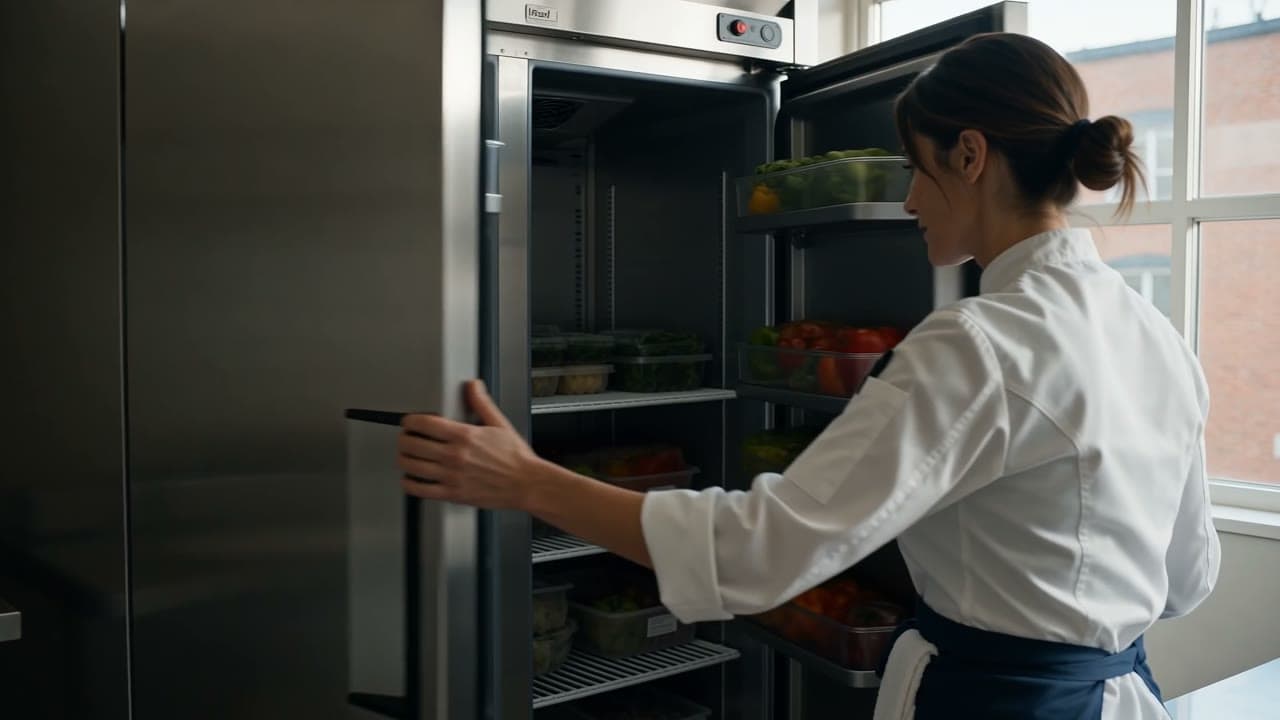
A brand sends a feature list. The film repeats it with moving pictures. It is clear, polished and interchangeable. To make something worth watching, begin one step earlier: what changes in a person's life when this product exists?
That question does not mean every ad needs a tearful backstory or a cinematic universe. Sometimes the story is a delivery arriving before service. Sometimes it is a desk that changes with the person using it. A recognisable moment can carry more meaning than a page of adjectives.
The three-sentence brief
- Before: our audience is dealing with this specific situation.
- The turn: our product makes this specific thing possible.
- After: the viewer should feel this, and take this next action.
Try it for a kitchen-supply business. Before: a chef is preparing for a busy service with too much to organise. The turn: the right supplies arrive around her day. After: the kitchen is ready, and the audience knows where to order. The situation gives the product a job in the film.
You can watch that kind of day-in-the-life construction in our Nella launch film at filmito.io/en/case-studies?play=native-nella. Watch it once for the product and once for the rhythm: anticipation, preparation, service. This is a creative observation, not a claim about the campaign's sales results.
Make the brand essential to the turn
Remove the logo for a moment. Could any competitor sign the film? If yes, the story may be entertaining but disconnected from the brand. Give the product a specific role: the actual transformation, the distinctive ritual, the recognisable design or the service your business really provides. A beautiful unrelated world is not enough.
Build a sound idea, not background noise
Write one sentence about the sound before choosing music. Is this a quiet morning broken by a delivery? An escalating rhythm that stops at a product reveal? An intimate voice with room to breathe? Music, voice and small sounds should support the turn rather than compete to explain everything.
Then watch the edit muted. The essential situation, product and next action should still be intelligible. Sound can deepen the story; it should not rescue a confusing one.
Design the campaign around the story, not around leftovers
A hero film, a product cut, a vertical edition and a short reminder can share a world without sharing the same edit. Decide their jobs before production. The longer film earns a feeling. The short cut may need the product immediately. A language edition needs its own timing and readable typography. Do not promise every adaptation without agreeing scope.
A better first conversation
Bring the real product, the audience's situation, one thing that must be understood and the action you want next. Add the references you love and the things you do not want. A studio can imagine from there, but facts, budget, formats and approvals still need to be clear.
“Start with what changes. Then decide what moves.”
Explore the films on filmito.io/en/case-studies, compare the published packages on filmito.io/en/pricing, or start a story brief at filmito.io/en/see-your-ad. A good brief is not a longer feature list. It is the beginning of a film.